Trump says U.S. has 'not agreed to' grant Ukraine Patriot missile licenses
Source Entity
US Top News and Analysis
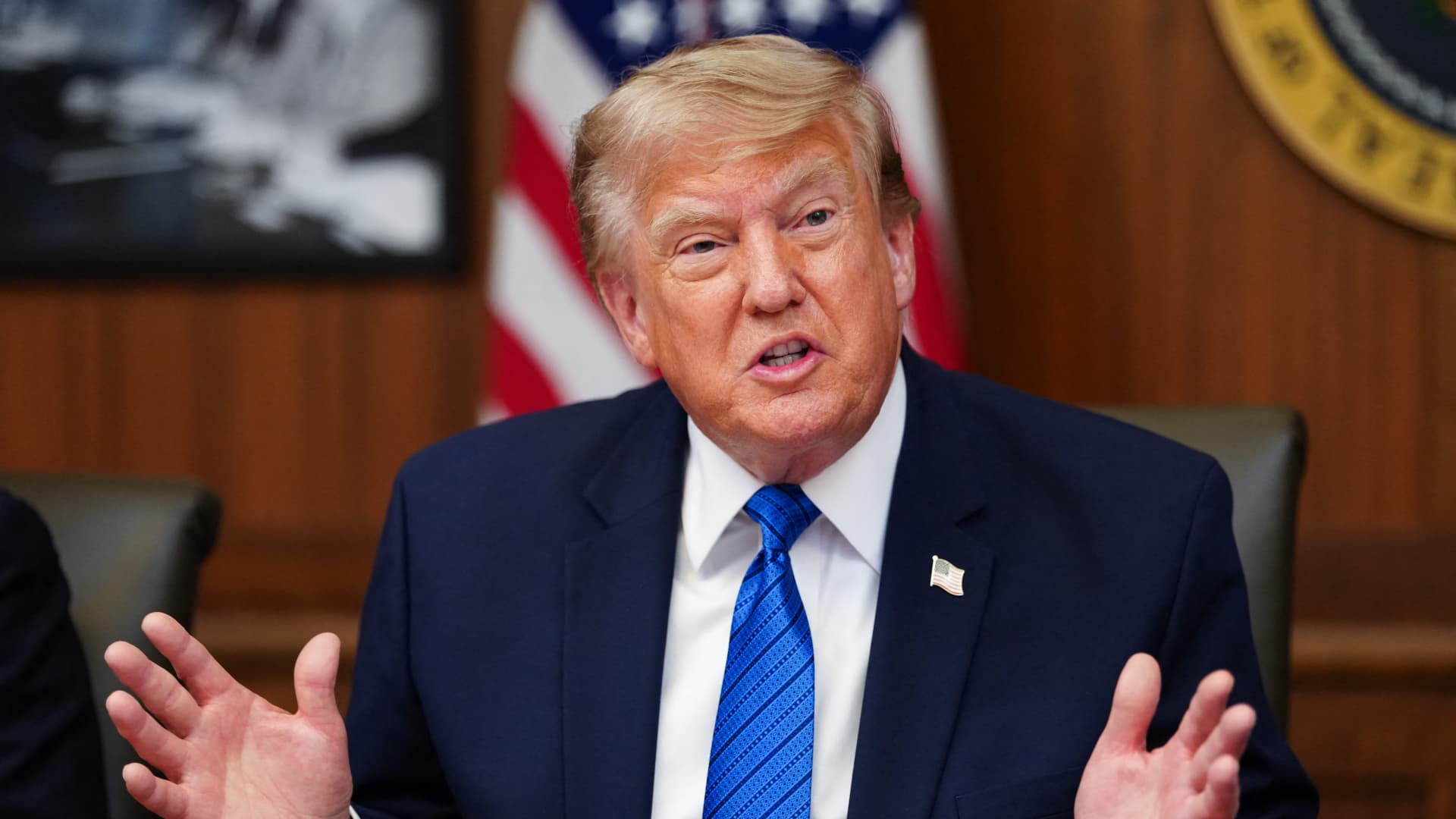
President Donald Trump has stated that the U.S. has not agreed to grant Ukraine licenses for the domestic production of Patriot missile systems. He expressed caution regarding the proliferation of advanced military technology, citing long-term geopolitical risks.
The Geopolitical Implications of Missile Technology Transfers
President Donald Trump’s recent declaration that the United States has not authorized Ukraine to manufacture Patriot missile systems domestically marks a significant pivot in the ongoing military support strategy. By stating that the U.S. is still "talking about it," the administration is signaling a cautious approach to the transfer of sensitive defense intellectual property. This hesitation highlights the tension between providing necessary defensive support to an ally and maintaining strict control over sophisticated American military technology.
The Strategic Value of the Patriot System
The Patriot missile system represents the pinnacle of U.S. air defense capabilities. Its ability to intercept incoming ballistic missiles, cruise missiles, and advanced aircraft makes it a highly coveted asset. For Ukraine, the request to produce these systems domestically is rooted in the urgent need to maintain a continuous supply chain without relying solely on U.S. inventory, which is subject to logistical constraints and domestic production limits. However, the complexity of these systems means that granting production licenses involves the transfer of proprietary manufacturing processes that the U.S. is historically reluctant to share.
The "Hard Thing to Give Away" Doctrine
Trump’s assertion that such technology is a "hard thing to give away" reflects a broader "America First" defensive posture. His explicit concern—that a recipient nation could "someday turn on you"—underscores a realist approach to foreign policy. By emphasizing that the U.S. must be "very careful," the administration is prioritizing long-term national security interests over immediate tactical military requests. This perspective suggests that the U.S. views the proliferation of its most advanced defensive technology as a potential strategic liability, regardless of the current strength of the alliance with Kyiv.
Diplomatic Delicacy and Ongoing Negotiations
The timing of these comments, occurring shortly after a high-level meeting between President Trump and President Volodymyr Zelenskyy, indicates that the issue remains a subject of intense diplomatic negotiation. While Zelenskyy has characterized their previous discussions as productive, the public clarification from the White House suggests that significant hurdles remain regarding the terms of military industrial cooperation. This creates a complex dynamic where the U.S. continues to support Ukraine’s defense but remains firm on the boundaries of technology transfer.
Future Trends in Military Aid
Looking forward, this development suggests that the nature of U.S. military aid to Ukraine may shift from the direct transfer of manufacturing rights to more traditional supply-chain support. Future trends likely involve the U.S. continuing to provide completed units rather than building the infrastructure for local production in the conflict zone. As the war in eastern Europe continues, the U.S. will likely balance the urgency of Ukraine’s defense with a rigorous assessment of the risks associated with the global distribution of its most advanced military hardware.
Multiple Citing Sources