President Trump says America has ‘best financial numbers ever’ as he renews criticism on ‘fake news’ media
Source Entity
Latest News: Todays Latest News Headlines from India & World | Hindustan Times | Hindustan Times
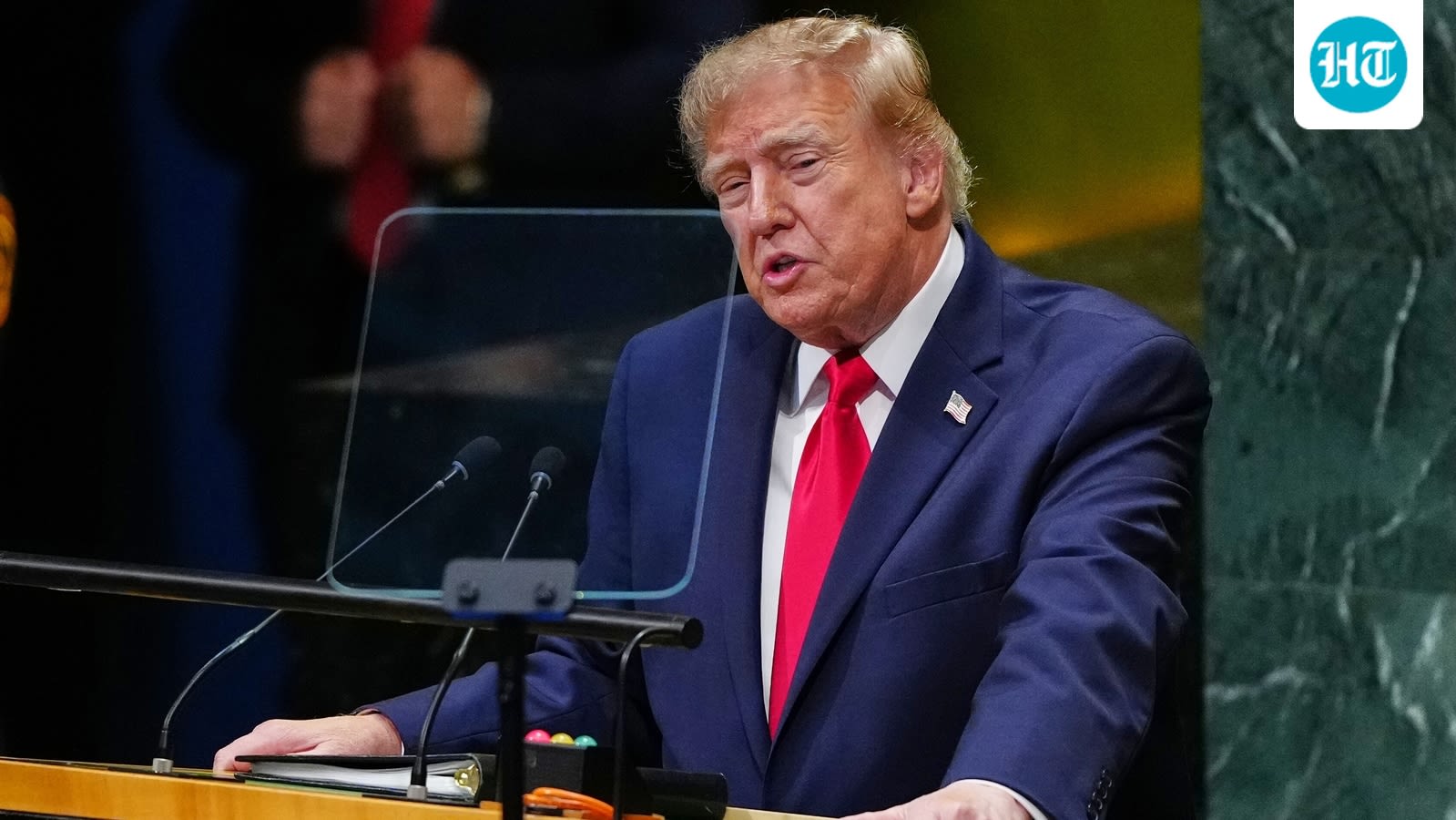
President Donald Trump has asserted that the U.S. is experiencing record-breaking financial performance while criticizing the media for failing to cover these results. This claim coincides with ongoing tensions regarding White House press access and potential future shifts in immigration policy.
The Intersection of Economic Rhetoric and Media Relations
President Donald Trump has recently taken to Truth Social to proclaim that the United States is currently experiencing its “best financial numbers ever.” This bold assertion serves as a cornerstone of his current communication strategy, framing the national economy as a resounding success story that he believes is being systematically overlooked by major news organizations. By labeling the coverage as the work of “fake news media,” the President is reinforcing a long-standing narrative that seeks to delegitimize traditional reporting in favor of direct communication with his base.
The Ambiguity of Economic Indicators
A critical observation regarding these claims is the lack of specific data provided by the President. While the administration points to broad financial success, the absence of specific metrics—such as GDP growth, unemployment rates, or trade balances—makes it difficult for independent analysts to verify which indicators are being cited. In the realm of economic policy, this ambiguity often creates a disconnect between political messaging and the technical data analyzed by economists, leading to a polarized public perception of the nation's fiscal health.
Escalating Tensions with the Press
This rhetoric is deeply intertwined with the President’s adversarial relationship with established media outlets. The recent friction concerning White House access for organizations like CNN, MS NOW, and Politico suggests that the conflict is not merely about policy interpretation but about the structural power dynamics of information dissemination. By accusing these outlets of refusing to report positive financial news, the administration is effectively positioning itself as the sole arbiter of truth, bypassing traditional journalistic scrutiny.
Broader Policy Implications
The context of these economic claims is further complicated by concurrent policy discussions, such as the potential overhaul of the H-1B visa program. The warning that this program could look “very different in 365 days” indicates that the administration’s economic agenda is closely tied to immigration reform. These shifts suggest that the “best numbers” narrative may be a precursor to justifying significant changes in labor and visa policies, which are often rationalized through the lens of prioritizing domestic economic stability.
Historical and Future Outlook
Historically, the use of superlatives to describe economic performance is a common tool in political signaling, intended to bolster voter confidence and solidify a legacy of achievement. However, the reliance on such rhetoric in an era of high media skepticism creates a volatile environment for policy discourse. Looking forward, the administration’s ability to sustain this narrative will likely depend on whether upcoming economic reports align with these high-level claims. If the gap between the President’s messaging and observable economic reality widens, the tension between the White House and the press is expected to intensify further.
Conclusion
Ultimately, President Trump’s recent claims highlight the ongoing battle over the narrative of American economic health. While the administration insists that the financial indicators are historically unprecedented, the lack of transparency in those figures and the ongoing disputes with the media suggest a complex strategy aimed at reshaping the public’s understanding of economic success. As the administration moves to implement potential changes in immigration and labor policies, the discourse surrounding these “best numbers” will remain a central point of contention in the American political landscape.
Verification Required?