Trump says Iran's economy is collapsing. A former central bank adviser in Tehran pushes back
Source Entity
US Top News and Analysis
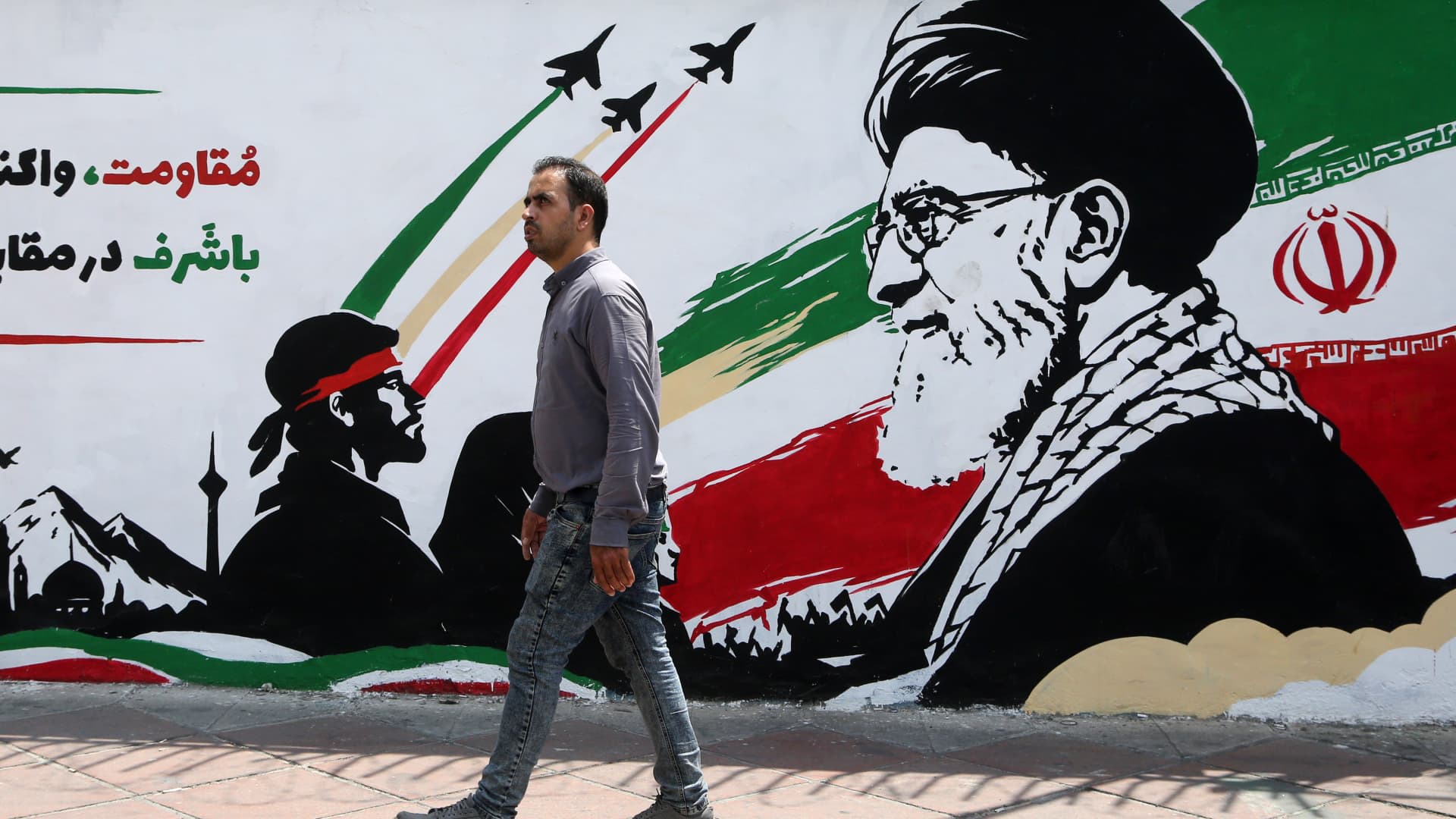
President Donald Trump has declared an 'Economic D-Day' against Iran, threatening unprecedented sanctions against the nation and its international backers. This aggressive stance has triggered a downturn in U.S. stock market futures and follows a broader campaign of economic pressure.
The Escalation of Economic Warfare: An Analysis of the 'Economic D-Day' Declaration
President Donald Trump has officially signaled a major shift in U.S. foreign policy toward Iran, framing his new strategy as an "Economic D-Day." By threatening what he describes as the "most crushing economic operation ever taken against any country," the administration is moving beyond conventional sanctions into a state of total economic warfare. This policy, which builds upon the existing 'Operation Economic Fury' framework, aims to isolate Tehran by not only targeting its internal military and financial infrastructure but also by imposing severe secondary penalties on any global entity—be it a government, airport, or financial institution—that attempts to provide a lifeline to the regime.
Market Volatility and Investor Sentiment
The immediate reaction from global financial markets underscores the high stakes of this geopolitical pivot. Following the announcement, Dow Jones Industrial Average futures and other major stock indexes saw a decline of approximately 0.7%. Investors are clearly pricing in the potential for global instability and the disruption of supply chains. While the threat to Iran is political in nature, the economic ripple effects are being felt in real-time, as markets react to the uncertainty of how these "tremendous consequences" will be enforced on international partners.
The Corporate Impact: Walmart and Beyond
The volatility within the market is further compounded by broader economic headwinds. Notably, Walmart (WMT) experienced a significant decline in its stock value concurrently with these geopolitical announcements. While retail earnings reports reflect internal company performance, the overarching climate of economic warfare creates a challenging landscape for multinational corporations. When the U.S. government threatens to penalize international institutions for dealing with Iran, it creates a complex compliance environment that can stifle global trade, impacting the bottom lines of major retailers and logistics firms alike.
Historical Context and Strategic Intent
This announcement represents a significant intensification of the pressure campaign initiated in April under the 'Operation Economic Fury' banner. Trump’s rhetoric, delivered via Truth Social, suggests a belief that the Iranian regime is currently "hanging by a thread" due to the alleged destruction of its military production facilities and the devaluation of its currency. By labeling this an "Economic D-Day," the administration is signaling that it is no longer seeking a negotiated "Deal," but is instead moving toward a strategy of total isolation and systemic collapse for the Iranian state.
Future Trends and Global Implications
The long-term success of this strategy hinges on the willingness of other nations to adhere to U.S. demands. The threat to penalize any country—or specific entities within that country—that assists Iran creates a high-stakes diplomatic standoff. If the U.S. follows through on these threats, it could lead to a fracturing of international trade relations and potentially force other powers to choose between maintaining ties with Tehran or accessing the U.S. financial system. As the situation develops, observers should monitor how global financial institutions navigate these mandates and whether the "unprecedented scale" of this warfare leads to the intended regime collapse or further regional instability.
Multiple Citing Sources