Trump commercial railing against his enemies kept airing after court blocked it
Source Entity
Jon Brodkin
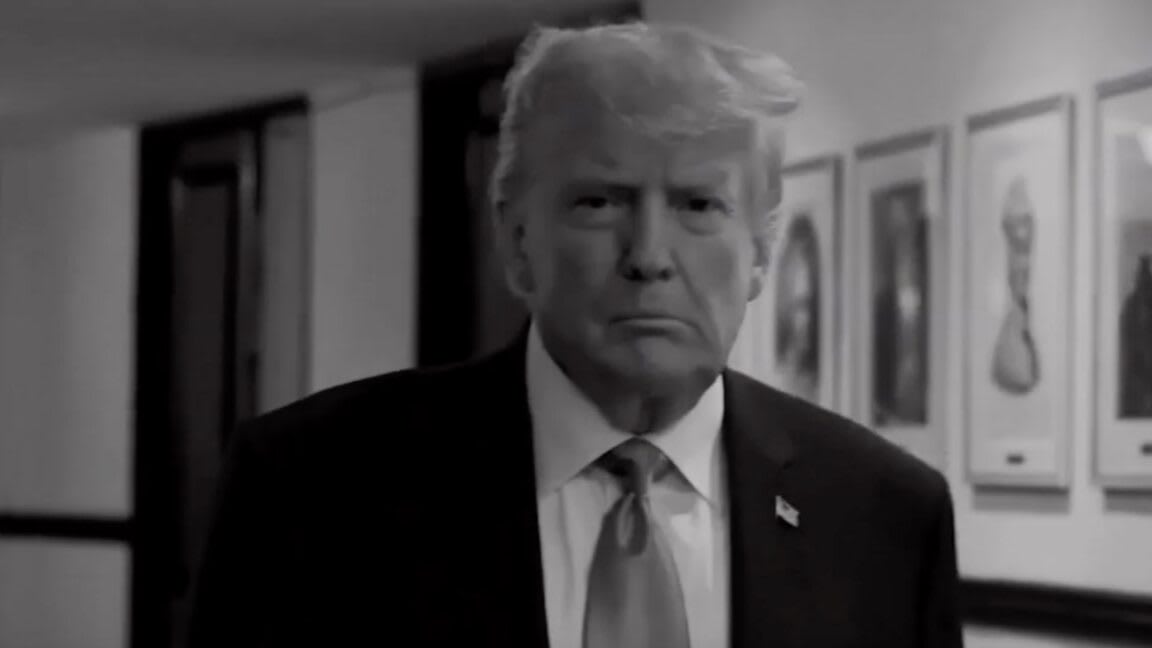
Government-funded advertisements featuring Donald Trump continued airing despite a court-ordered temporary restraining order. The U.S. government has since apologized and confirmed the cessation of the campaign, which faced scrutiny for potential propaganda law violations.
The Controversy of State-Funded Political Messaging
Recent developments have highlighted a significant legal and ethical collision between administrative advertising practices and federal law. US District Judge Jennifer Rochon issued a temporary restraining order (TRO) on Sunday, October 11, effective at 6:45 pm, to halt a series of government-funded commercials featuring Donald Trump. Despite this judicial intervention, the advertisements continued to air, prompting a formal apology from the US attorney to the court and an immediate cessation of the broadcasts.
Analyzing the Violation of Federal Statutes
The core of this legal dispute centers on the prohibition against government-funded publicity or propaganda. Federal law strictly regulates how taxpayer funds are utilized in mass communication, ensuring that government resources are not misappropriated for partisan political gain. By airing content that explicitly rails against perceived enemies and promotes a specific political record, the government risked violating these foundational statutes designed to maintain the neutrality of public institutions.
Content and Scope of the Campaign
The television campaign in question was broad in its thematic reach. One prominent commercial featured Trump vowing to "liberate America from these villains," while others focused on his presidential record, nationalistic rhetoric regarding American exceptionalism, and specific geopolitical topics such as the Iran war and the capture of Venezuelan President Nicolás Maduro. The diversity of these topics underscores a concerted effort to weave official government activities into a narrative that critics argue serves a partisan agenda rather than a public information mandate.
Judicial Oversight and Administrative Failure
The failure to immediately halt the broadcasts following Judge Rochon's order raises serious questions regarding internal government communication and the execution of legal directives. While the US attorney provided a formal apology, the lapse suggests a breakdown in the chain of command between the judiciary’s mandate and the operational media buying teams. This incident serves as a stark reminder of the tension between executive power and judicial oversight in the digital age.
Broader Implications and Future Trends
This incident sets a critical precedent regarding the limits of executive influence in federal advertising. As media consumption habits shift, the definition of what constitutes "government publicity" versus "political campaigning" will likely face increased scrutiny in future litigation. The government's eventual compliance indicates that even in high-stakes political environments, the judiciary maintains the authority to check administrative overreach when taxpayer funding is improperly utilized for campaign-style messaging.
Conclusion
In summary, the airing of Trump-focused advertisements following a judicial injunction represents a significant breach of both legal compliance and bureaucratic process. While the government has taken steps to rectify the error, the event underscores the necessity for rigorous oversight to ensure that taxpayer-funded media remains within the bounds of law. Moving forward, this case will likely be cited in discussions regarding the appropriate boundaries of government communication during election cycles.