Canada Says Ready To 'Intensify' Trade Talks As Trump Orders New Tariffs
Source Entity
NDTV News Search Records Found 1000
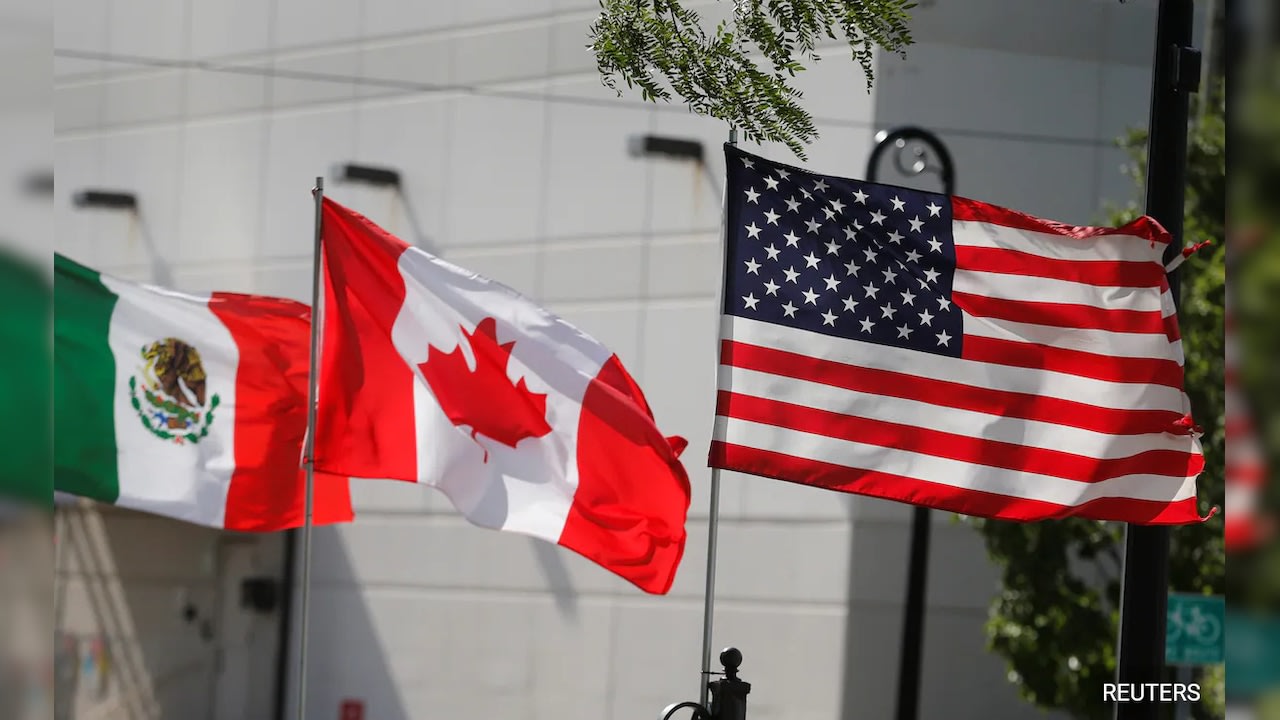
President Donald Trump has imposed 50% tariffs on most Canadian goods, citing alleged trade discrimination against U.S. automobiles, alcohol, and dairy products. This aggressive trade policy marks a significant escalation in tensions and challenges the existing USMCA framework.
The Escalation of U.S.-Canada Trade Tensions
President Donald Trump has initiated a significant shift in North American economic policy by imposing 50% tariffs on a vast array of Canadian imports. This decision, formalized through three separate proclamations, marks a stark departure from the collaborative trade environment previously established under the United States-Mexico-Canada Agreement (USMCA). By invoking Section 338 of the Trade Act of 1930, the administration aims to penalize what it describes as systematic trade discrimination against American industries, specifically targeting automobiles, alcohol, and dairy sectors.
The Core Rationale: Retaliation and Protectionism
Administration officials have framed these tariffs as a corrective measure intended to "level the playing field" for U.S. exporters. Central to the administration's argument is the claim that Canada, alongside other nations, has engaged in unfair retaliatory practices against previous U.S. trade policies. The decision is presented not merely as an economic adjustment, but as an accountability measure, signaling that the White House is willing to use aggressive fiscal tools to enforce its vision of fair trade, even at the cost of straining long-standing bilateral partnerships.
Scope and Strategic Exemptions
While the 50% tariff rate is broad, the administration has carved out specific exemptions for energy products, potash, fish, and critical minerals. This suggests a strategic attempt to maintain supply chain stability for essential resources while applying maximum pressure on manufactured and consumer goods. However, the inclusion of items previously protected under the USMCA indicates a willingness to override negotiated agreements in favor of unilateral executive action, creating significant uncertainty for businesses that rely on the integrated North American market.
Broader Economic and Geopolitical Implications
This move carries profound risks for the North American economy, potentially triggering higher inflation for U.S. consumers who rely on Canadian imports. The fraying of ties between the U.S. and Canada—two nations historically woven together by trade and shared geography—represents a pivot away from the globalization-focused policies of previous decades. Furthermore, the administration’s rhetoric, which has also linked trade concerns to non-economic issues such as wildfire smoke drifting across the border, indicates that the trade conflict may be multifaceted and deeply unpredictable.
Future Outlook and Policy Trajectory
As the administration continues to examine the possibility of imposing additional tariffs, the long-term viability of the current trilateral trade pact remains in question. Experts anticipate that this move could lead to a new wave of economic volatility, forcing industries to pivot their supply chains or absorb significant cost increases. With the administration signaling a firm stance on accountability, the future of the U.S.-Canada economic relationship will likely be defined by continued friction and a fundamental re-evaluation of the rules governing cross-border commerce.
Multiple Citing Sources
Verification Required?