Trump's new global tariff draws rebukes from trade partners over forced-labor justification
Source Entity
US Top News and Analysis
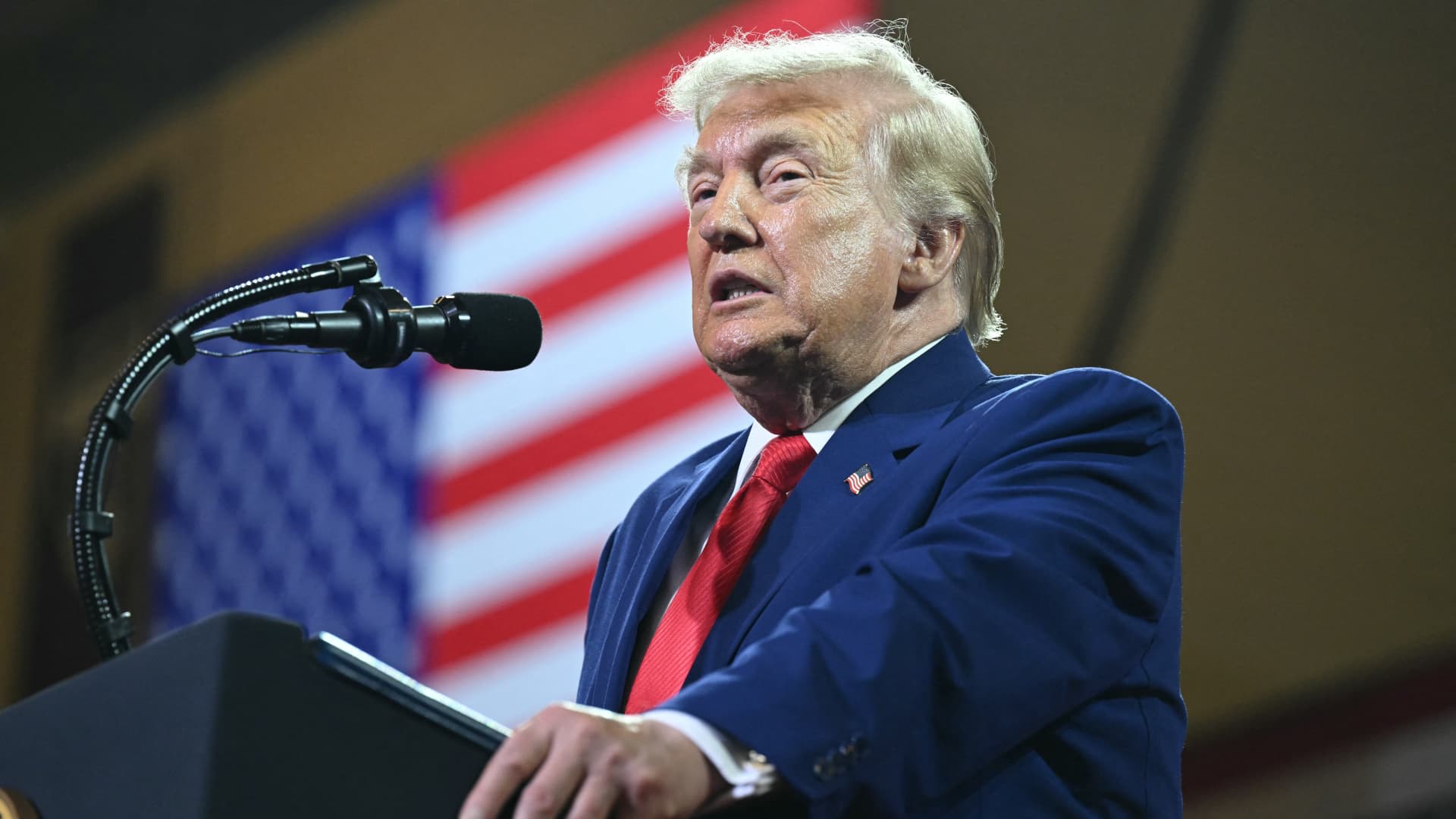
The Trump administration is implementing new tariffs ranging from 10% to 12.5% on 60 trade partners, citing forced-labor violations. These measures replace expiring temporary duties and cover nearly all U.S. imports, drawing significant international pushback.
The New Era of U.S. Trade Protectionism
The Trump administration has initiated a significant shift in its international trade policy, announcing a sweeping array of new tariffs targeting 60 global trade partners. Set to take effect immediately following the expiration of previous temporary measures, these duties range between 10% and 12.5%. This move marks a pivot from the temporary 10% global tariffs previously authorized under Section 122 of the Trade Act, which faced legal challenges earlier this year.
The Rationale: Forced Labor and Legal Framework
At the core of this policy change is the invocation of Section 301 of the Trade Act of 1974. The Office of the U.S. Trade Representative has justified these aggressive measures by citing a widespread failure among trading partners to effectively prohibit and enforce bans on goods produced through forced labor. By categorizing nations based on their adherence to import prohibitions—applying 10% tariffs to those with existing bans and 12.5% to those without—the administration is attempting to leverage market access to dictate global labor standards.
Scope and Economic Implications
The sheer breadth of this mandate is unprecedented, covering 99.4% of all U.S. trade. By targeting the top 60 trading partners, the policy effectively creates a near-universal tariff wall. Despite the scale of these duties, the Office of the U.S. Trade Representative has not yet provided estimates regarding the potential revenue generation, leaving economists and market analysts to speculate on the long-term impact on inflation, supply chain costs, and domestic consumer prices.
Global Backlash and Diplomatic Tensions
Predictably, the announcement has triggered immediate rebukes from international partners. Nations ranging from Canberra to Brasília have openly rejected the forced-labor justification, viewing the tariffs as a protectionist tool rather than a human rights initiative. However, the current diplomatic landscape suggests a measured response; most affected nations have signaled an intent to continue negotiations rather than immediately pursuing retaliatory trade wars, likely hoping to reach a compromise that avoids further escalation.
Navigating Legal and Future Hurdles
This policy represents the administration's attempt to stabilize its trade agenda after suffering significant legal setbacks in recent months. By moving from temporary stopgap measures to a formal Section 301 designation, the White House is testing the limits of executive authority in trade policy. As these tariffs take hold, the global economy faces a period of heightened uncertainty, where the balance between labor ethics, international diplomatic relations, and domestic economic stability remains highly precarious.
Multiple Citing Sources