India deal pretty close, will be different: Trump; pact to exclude unresolved sectors
Source Entity
TNN
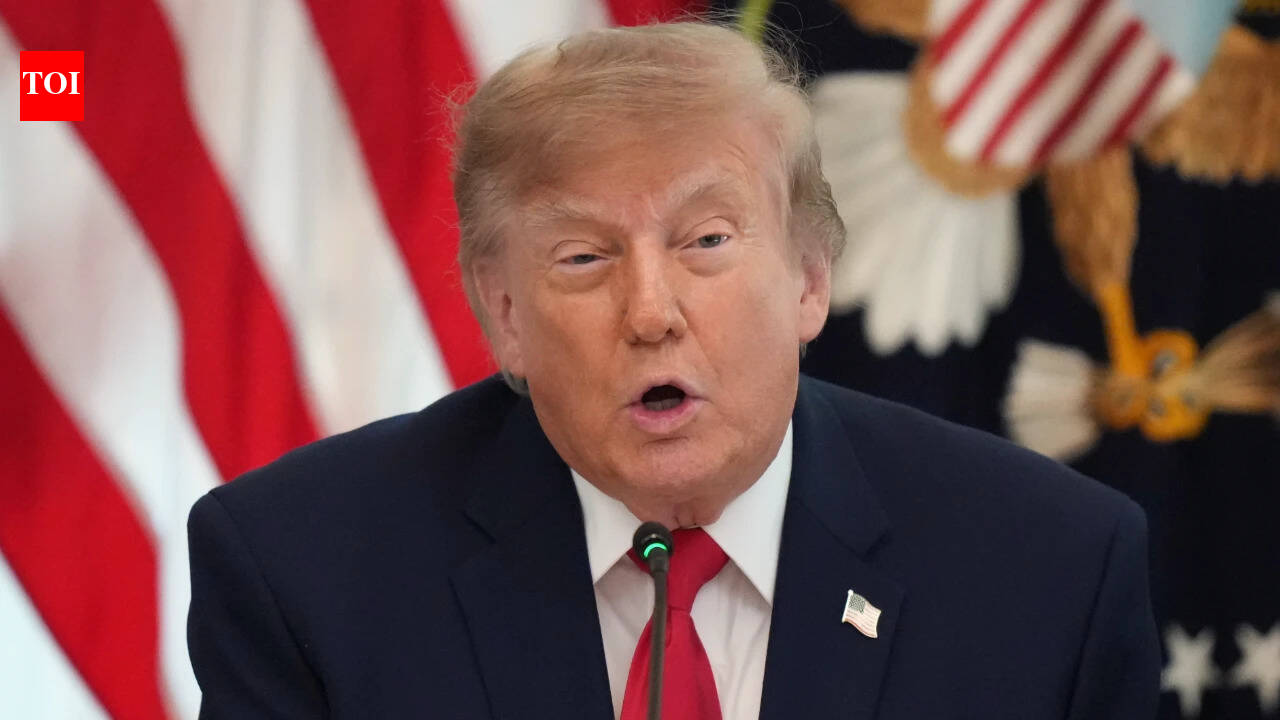
US President Donald Trump has signaled that a bilateral trade deal with India is nearing completion, describing it as a unique agreement. Negotiators are opting to bypass contentious sectors to focus on areas where consensus has already been reached.
The Strategic Pivot in US-India Trade Relations
Recent statements from US President Donald Trump have reignited optimism regarding a long-anticipated trade agreement between the United States and India. After months of diplomatic maneuvering, President Trump confirmed that the two nations are "pretty close" to finalizing a pact. This development marks a significant shift in the bilateral economic agenda, particularly as the administration seeks to define a new framework for international commerce that diverges from historical precedents.
A Departure from Traditional Trade Pacts
A defining characteristic of this emerging agreement is its unconventional structure. President Trump has explicitly characterized the upcoming arrangement as a "much different kind of deal" than those the US has historically pursued with other global partners. While the administration has remained reticent regarding the specific mechanics of this difference, the departure suggests a move away from the comprehensive, "all-or-nothing" omnibus trade agreements that have often stalled in the past due to bureaucratic complexity.
The Pragmatic Approach: Excluding Nettlesome Issues
The strategy behind this "different" deal appears to be one of pragmatism over perfection. Reports indicate that both the US and Indian negotiating teams have opted to exclude sectors where they have been unable to reach a mutual understanding. By setting aside these "nettlesome" issues, the two sides aim to secure a functional agreement on topics where consensus has already been achieved. This iterative approach allows both governments to deliver tangible economic wins to their respective constituents without being derailed by long-standing structural disagreements.
Alignment Between Diplomatic Channels
The timing of President Trump's remarks is notable, as it aligns with recent signals from other key members of his administration. Secretary of State Marco Rubio recently noted that the two countries are "incredibly close" to finalizing the deal, even suggesting that "99 percent" of the work has already been completed. This high-level synchronization between the White House and the State Department underscores a unified push to solidify the partnership early in the current administration’s tenure.
Future Implications and Economic Trends
Looking forward, this "partial" or "sector-specific" deal could set a new precedent for how the United States approaches bilateral trade in a multipolar world. By focusing on achievable goals rather than attempting to harmonize entire regulatory landscapes at once, the US and India are signaling a shift toward flexible, agile economic diplomacy. If successful, this model could serve as a blueprint for future negotiations, allowing for deeper integration in technology, energy, and defense, while keeping sensitive, protectionist-heavy sectors for future, more nuanced negotiations.
Conclusion
As the final details are ironed out, the focus remains on the tangible benefits such an agreement could bring to the US-India strategic partnership. By prioritizing progress over the perfection of a comprehensive treaty, both nations are demonstrating a willingness to adapt to the realities of modern global trade. While the exclusion of certain sectors remains a point of interest, the overarching narrative is one of strengthening ties and mutual economic intent.