"I Don't Care About Midterms": Trump Dismisses Iran War Fallout
Source Entity
NDTV News Search Records Found 1000
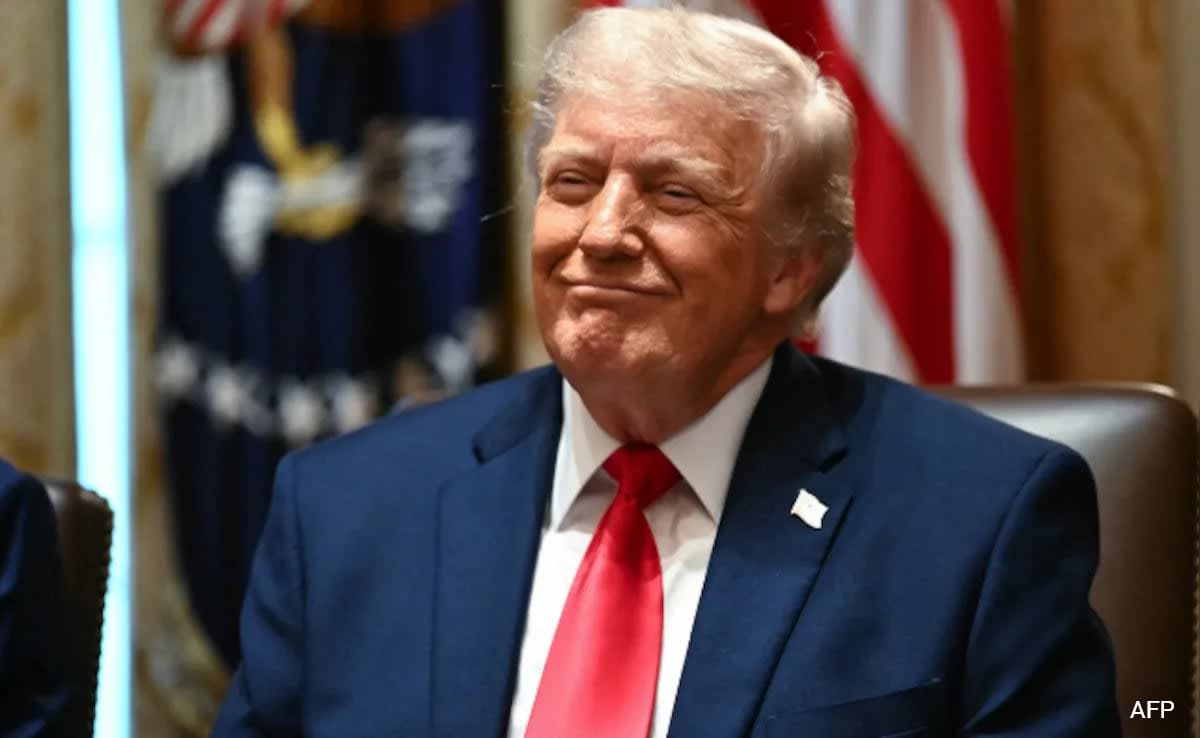
President Trump dismissed concerns regarding the political fallout of a potential conflict with Iran during midterm election cycles. He previously estimated that any such military engagement would be limited to a four to six-week duration.
The Geopolitical Calculus: Trump’s Stance on Iran
Recent statements from President Trump reveal a distinct strategic detachment regarding the potential electoral consequences of a conflict with Iran. By explicitly stating, "I don't care about midterms" in the context of war-related fallout, the president is signaling a prioritization of foreign policy objectives over domestic political cycles. This framing suggests an attempt to insulate executive decision-making from the traditional pressures of midterm polling, which often dictate the temperament of administration policy.
The Projection of Limited Conflict
The administration’s internal assessment of military engagement with Iran centers on a remarkably short timeline. The president’s assertion that a potential war would last only "four to six weeks" serves as a critical data point in understanding the White House’s risk assessment. This timeline implies a reliance on overwhelming air superiority or surgical strikes rather than a protracted ground invasion, reflecting a broader shift in American military doctrine toward minimizing long-term deployments that characterized the conflicts in Iraq and Afghanistan.
Strategic Implications of the Timeline
The estimation of a four-to-six-week conflict is highly ambitious from a tactical standpoint. Historically, conflicts in the Middle East have proven notoriously difficult to contain within such narrow windows due to the complexities of regional proxy networks and the unpredictable nature of asymmetric warfare. By setting this expectation, the administration creates a binary outcome: either a swift, decisive victory that validates the strategy, or a risk of public disillusionment should the conflict extend beyond the projected duration.
Domestic Politics vs. Foreign Policy
Historically, sitting presidents have often feared that foreign entanglements during midterm cycles could mobilize opposition or serve as a referendum on their leadership. Trump’s dismissal of these concerns represents a departure from conventional political wisdom. By decoupling the potential war from the electoral calendar, he is attempting to project strength and an unwavering commitment to his "America First" doctrine, regardless of how such actions might influence his party's standing in Congress.
Future Trends and Regional Stability
Looking ahead, this rhetoric sets a high bar for future diplomatic and military engagement. If the administration maintains this "short-war" expectation, it limits the room for diplomatic de-escalation once hostilities begin. Analysts should monitor how this rhetoric influences regional actors, who may view the four-to-six-week timeline as either a credible deterrent or an indication of an administration that underestimates the complexities of regional stability.
Conclusion
In summary, the president’s comments highlight a significant intersection of military optimism and political defiance. While the administration seeks to minimize the domestic political impact of a potential conflict, the reliance on a short-term military projection carries inherent risks. Whether this approach serves as a deterrent to Iranian aggression or a precursor to an unpredictable escalation remains the central question for observers of global security.
Verification Required?