Trump Insists Netanyahu Relationship "Very Good" Despite Gaza Rift
Source Entity
NDTV News Search Records Found 1000
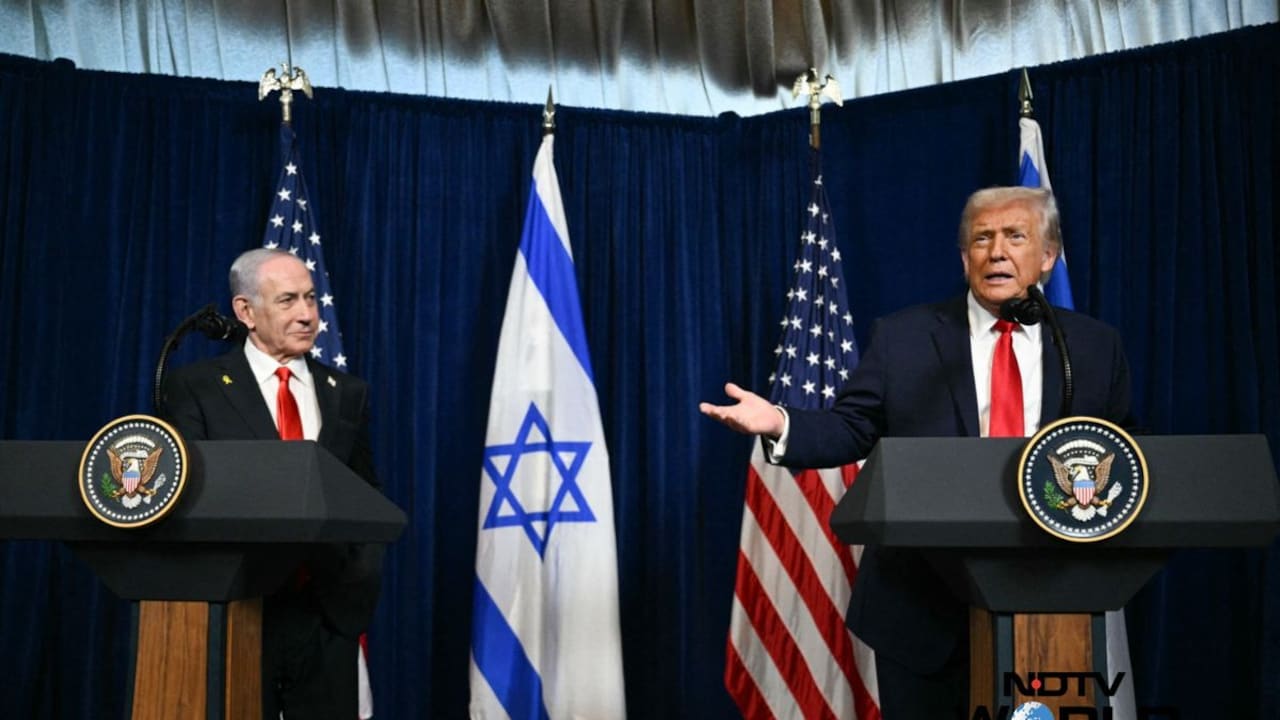
Former President Donald Trump and Israeli Prime Minister Benjamin Netanyahu held a meeting on July 28, marking their first encounter since the onset of the Iran-related conflict. Despite reports of friction regarding the situation in Gaza, Trump described their personal relationship as 'very good'.
A Strategic Meeting Amidst Geopolitical Tension
The meeting between former President Donald Trump and Israeli Prime Minister Benjamin Netanyahu on July 28 represents a significant moment in the current diplomatic landscape. Occurring for the first time since the escalation of the conflict involving Iran, this encounter highlights the enduring, albeit complex, relationship between the two leaders. As the conflict in Gaza continues to dominate global headlines, the optics of this meeting serve to underscore the ongoing alignment between U.S. political figures and the Israeli administration.
Analyzing the Trump-Netanyahu Dynamic
Despite recent reports suggesting a rift between the two regarding the handling of the war in Gaza, Donald Trump explicitly characterized their relationship as "very good." This assertion is critical for understanding the political messaging both leaders are projecting. For Trump, maintaining a strong bond with Netanyahu serves to solidify his base of support and reinforce his past policies, such as the Abraham Accords and the relocation of the U.S. embassy to Jerusalem, which defined his previous term's approach to the Middle East.
Contextualizing the Iran Conflict Factor
The timing of this meeting is intrinsically linked to the broader regional instability triggered by the Iran-related conflict. Given the strategic importance of the U.S.-Israel alliance in countering Iranian influence, the meeting functions as a signal of continuity. By meeting now, both leaders are acknowledging that the regional security architecture is currently undergoing a stress test, necessitating a re-evaluation of how international partners, particularly the United States, engage with Israeli security concerns.
Implications for Gaza and Regional Stability
While the meeting was framed positively, the underlying tension concerning the Gaza conflict cannot be ignored. The international community remains deeply divided over the humanitarian and political ramifications of the war. Netanyahu’s engagement with Trump suggests an attempt to look beyond current diplomatic friction and focus on long-term strategic goals. This approach aims to minimize the perception of isolation that Israel has faced in various international forums due to the ongoing military operations.
Future Trends in U.S.-Israel Relations
Looking ahead, the nature of this meeting suggests that the U.S.-Israel relationship will continue to be a focal point of future political discourse. Whether Trump returns to the presidency or remains a prominent opposition figure, his influence on U.S. foreign policy toward Israel remains potent. The emphasis on a "very good" relationship indicates a desire to prioritize historical ties over contemporary disagreements, a trend likely to persist as both leaders navigate the complexities of the current regional war.
Conclusion
The meeting on July 28 acts as a pivotal touchpoint for evaluating the future of the U.S.-Israel alliance. By publicly reaffirming their strong personal relationship, Trump and Netanyahu are attempting to stabilize a partnership that has been strained by the realities of the war in Gaza. As the conflict persists, this meeting will likely be viewed as a foundational moment for how both figures navigate the evolving geopolitical challenges of the Middle East.
Verification Required?