Trump moves to replace foreign truckers with veterans: What it means for Indian drivers in the US
Source Entity
The Indian Express
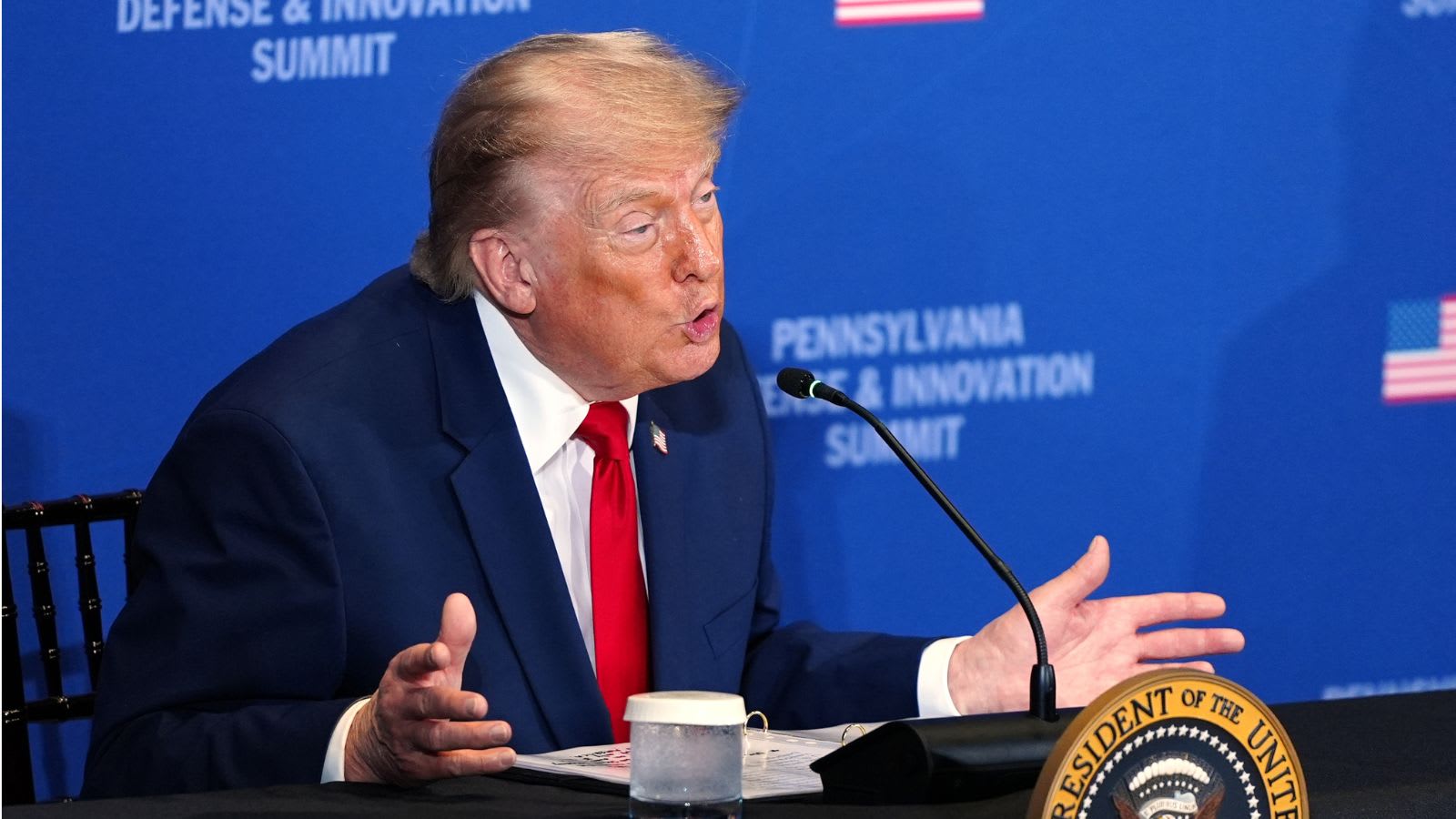
President Donald Trump has announced a policy to replace foreign truck drivers with U.S. military veterans, citing safety concerns following a fatal accident involving a trooper. The initiative aims to streamline commercial driver's license requirements for veterans while targeting illegal labor in the logistics sector.
The Shift in U.S. Logistics Labor Policy
President Donald Trump’s recent announcement at the Pennsylvania Defense and Innovation Summit marks a significant pivot in the administration’s approach to domestic labor and national security. By proposing the removal of foreign national truck drivers labeled as "illegal aliens" and replacing them with U.S. military veterans, the administration is attempting to address two distinct issues simultaneously: the integrity of the nation's workforce and the perceived safety risks on American highways.
The Catalyst: Addressing Highway Safety and Accountability
The impetus for this policy shift follows the tragic death of Pennsylvania State Police Trooper Michael E. Pahira Jr., who was killed on July 1. The accused driver, 33-year-old Michael Bon, faces serious charges including homicide by vehicle and involuntary manslaughter. President Trump has utilized this incident to highlight his administration’s stance on regulatory enforcement, characterizing the presence of undocumented drivers as a direct threat to public safety and accusing such individuals of being unable to properly read road signage.
Leveraging Military Expertise for Domestic Infrastructure
At the core of the proposed initiative is the integration of military veterans into the commercial trucking industry. The administration plans to streamline the licensing process, making veterans automatically eligible for a Commercial Driver’s License (CDL) based on their prior experience operating heavy military vehicles. This approach aims to bridge the gap between military service and civilian employment, potentially addressing long-standing labor shortages in the logistics sector by utilizing the existing skills of former service members.
Broader Implications for the Logistics Industry
The move carries substantial implications for the U.S. transportation sector, which has historically relied on diverse labor pools to maintain supply chain efficiency. By prioritizing veterans for these roles, the administration is signaling a shift toward nationalistic labor policies. For immigrant communities, particularly those in the trucking industry, this policy could lead to increased scrutiny, stricter enforcement of immigration status, and a fundamental restructuring of how foreign-born drivers interact with the American logistics market.
Future Trends and Political Considerations
Looking ahead, this policy represents a broader trend of utilizing executive power to influence domestic industries through the lens of national security and border control. If implemented, the plan to fast-track CDL eligibility for veterans could set a precedent for other sectors, potentially creating a "veteran-first" model for domestic employment. Observers will be closely monitoring how this policy is codified and the extent to which it impacts the operational costs and labor availability for the American trucking industry over the coming years.
Multiple Citing Sources