Trump administration may let more Russian diesel onto market, energy secretary tells CNBC
Source Entity
US Top News and Analysis
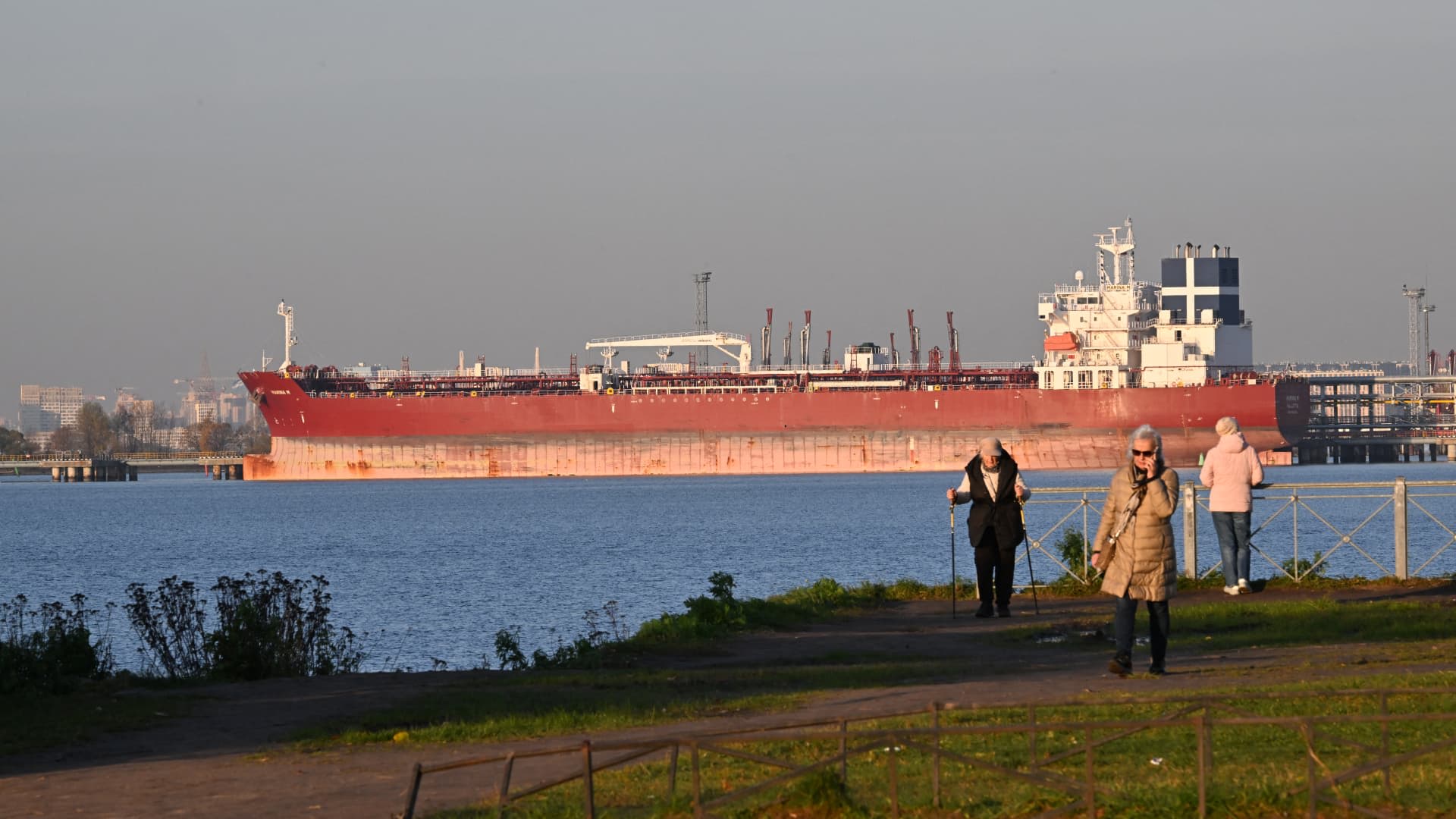
Energy Secretary Chris Wright indicated the Trump administration may increase Russian diesel imports as a strategic incentive for Moscow to end the war in Ukraine. Analysts warn these limited shipments will likely have negligible impacts on overall fuel prices.
Strategic Energy Policy and the Russian Diesel Waiver
In a recent interview with CNBC, U.S. Energy Secretary Chris Wright articulated a nuanced shift in the administration's approach toward Russian energy exports. By confirming that the U.S. may allow additional Russian diesel into the global market, Wright framed the recent suspension of sanctions as a calculated diplomatic lever. The administration is positioning these exemptions not merely as a market correction, but as a tangible "incentive" designed to influence Moscow’s decision-making regarding the ongoing conflict in Ukraine.
The Mechanics of the Sanctions Waiver
The policy pivot centers on the selective easing of restrictions that were previously designed to cripple Russia’s energy-driven war chest. According to data from the ship-tracking platform MarineTraffic, the practical application of this policy is already underway, with the Russian-flagged tanker Talisman scheduled for an arrival on the U.S. East Coast on November 9. Furthermore, reports indicate that another vessel, the Leruo, is currently in transit toward the Atlantic coast, signaling that the administration is prepared to permit a steady flow of Russian-origin fuel under these specific waivers.
Market Impact and Economic Realities
Despite the geopolitical significance of this policy shift, energy analysts remain skeptical regarding the domestic economic benefits. While the administration suggests this move will assist with fuel supplies on the margins, experts point out that the volume of diesel permitted under these new agreements is relatively small when weighed against total global and domestic demand. Consequently, the consensus among market observers is that these shipments are unlikely to result in a material decrease in fuel prices for the average American consumer.
Geopolitical Implications and Future Trends
The strategy of using energy exports as a conditional incentive introduces a complex variable into the U.S.-Russia relationship. By tethering the continuation of these waivers to "Moscow's behavior," the Trump administration is attempting to create a feedback loop where economic relief is directly linked to de-escalation in Ukraine. Whether this strategy will successfully incentivize a change in Kremlin policy remains a point of significant debate among foreign policy experts, who are closely watching to see if more tankers will set sail under the current sanctions framework.
Conclusion: Balancing Energy and Diplomacy
Ultimately, the administration’s decision to allow more Russian diesel onto the market represents a high-stakes gamble that prioritizes diplomatic leverage over the strict enforcement of energy sanctions. As the Talisman and potentially other vessels move toward U.S. ports, the administration will face the dual challenge of managing domestic energy expectations and maintaining pressure on Moscow. The success of this policy will likely be measured not by the price of fuel at the pump, but by the tangible diplomatic concessions, if any, that Russia makes in response to these calibrated economic incentives.