US military says strike on alleged drug vessel in eastern Pacific kills five people
Source Entity
Guardian staff and agencies
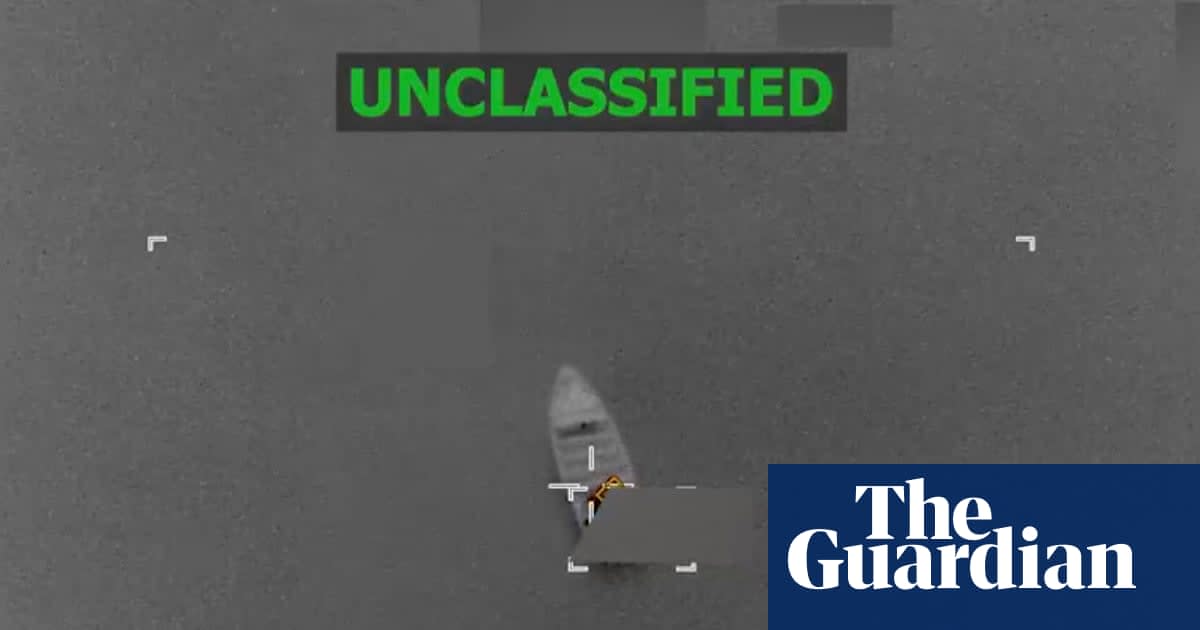
A recent US military airstrike in the eastern Pacific killed five people suspected of drug trafficking. This event highlights the ongoing controversy surrounding the Trump administration's aggressive policy of conducting lethal strikes against alleged cartel vessels.
Escalation in the Eastern Pacific: The Legal and Strategic Implications of US Maritime Strikes
The Incident and Immediate Context
The United States military recently confirmed that an airstrike in the eastern Pacific resulted in the deaths of five individuals aboard a vessel suspected of drug trafficking. This operation represents the latest in a series of aggressive maritime engagements designed to disrupt the flow of illicit narcotics. While the military maintains that these actions are essential for national security, the incident has reignited intense scrutiny regarding the transparency and oversight of such high-stakes tactical maneuvers.
The Broader Pattern of Engagement
According to media tallies, this operation is one of more than 70 such attacks conducted since the start of Donald Trump’s second presidency. These strikes have collectively resulted in the deaths of over 240 people, signaling a significant shift toward a more kinetic approach in combatting Latin American drug cartels. By framing these operations as part of an active armed conflict, the administration seeks to justify the use of lethal force in international waters as a necessary measure to protect the US border and domestic public health.
Theoretical Justification vs. Operational Reality
The Trump administration justifies these strikes by asserting that the targeted vessels are intrinsically linked to transnational criminal organizations. However, a critical point of contention remains the lack of definitive, publicly disclosed evidence to support these claims in each instance. Without a transparent process for vetting targets, the administration faces criticism that its policy may be overreaching, potentially endangering non-combatants or individuals whose connection to drug trafficking is not verified by standard judicial or international legal norms.
The Debate Over Legality and Human Rights
Legal experts and international human rights organizations have raised significant concerns regarding the legality of these strikes. The absence of a clear, universally recognized declaration of war against specific cartels complicates the administration's legal standing under both US and international law. Critics argue that the 'armed conflict' designation is being used to bypass traditional law enforcement protocols, raising questions about due process and the potential for excessive use of force in the absence of traditional combat triggers.
Future Trends and Geopolitical Risks
Looking ahead, this strategy risks creating a cycle of escalating violence in the eastern Pacific. If the US continues to prioritize lethal strikes over interdiction and intelligence-led seizures, it may face increased diplomatic friction with regional partners in Latin America. Furthermore, the reliance on aerial assets to neutralize maritime threats could lead to unintended consequences, including retaliatory actions from cartels or the migration of trafficking routes into more densely populated or politically sensitive corridors.
Conclusion
The death of five individuals in the eastern Pacific serves as a sobering reminder of the human cost associated with the US military’s current anti-drug strategy. As the administration continues to view cartel activity through the lens of armed conflict, the tension between national security objectives and international legal standards will likely deepen. Moving forward, the demand for greater accountability and evidence-based justification for these operations will remain a central point of debate for policymakers and the global community.