Why Trump's F-35 deal with Saudi Arabia unsettles Israel, opens big door for China
Source Entity
RAJEEV SINGH
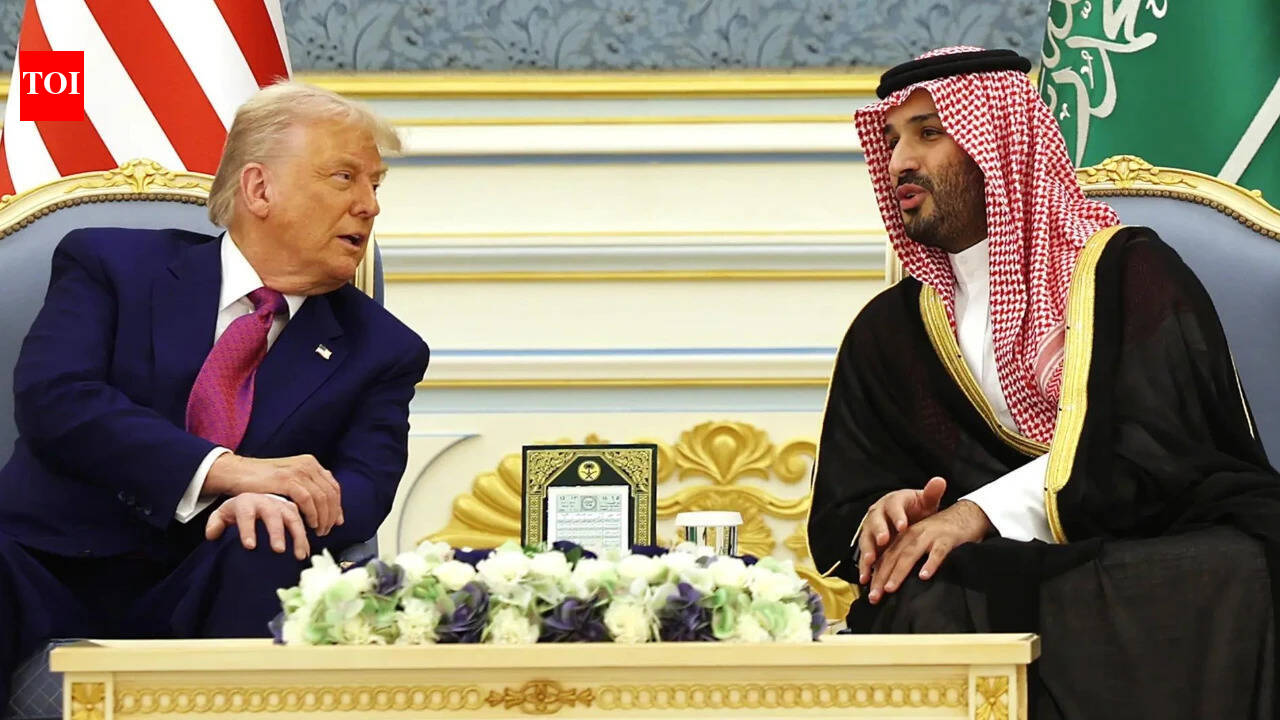
The U.S. State Department has notified Congress of a potential sale of 48 F-35 jets to Saudi Arabia. This development sparks regional security concerns regarding Israel's qualitative military edge and potential shifts in Middle Eastern defense dynamics.
The Geopolitical Implications of the Saudi F-35 Deal
A Shift in Regional Power Dynamics
The recent notification by the U.S. State Department to Congress regarding the potential sale of 48 F-35 fighter jets to Saudi Arabia represents a significant pivot in Middle Eastern defense policy. By integrating Saudi Arabia into the F-35 ecosystem, the United States is effectively signaling a new era of security cooperation. However, this move fundamentally alters the regional balance of power, as it positions the Kingdom to become the second nation in the Middle East, following Israel, to operate this advanced stealth platform.
Maintaining the Qualitative Military Edge (QME)
A primary concern regarding this sale is the preservation of Israel's Qualitative Military Edge (QME). The United States has long-standing legislative obligations to ensure that Israel maintains a technological superiority over its neighbors. To mitigate these concerns, reports indicate that the Saudi-bound aircraft will not include the full suite of advanced capabilities found in the Israeli variant. This tiered export model is a deliberate strategy to balance strategic partnerships without compromising the security of a key ally.
The Unique Status of the F-35I Adir
It is essential to understand why the Israeli variant, the F-35I 'Adir,' remains in a league of its own. Unlike the standard export versions, the Adir has been extensively modified by the Israeli Defence Force. These custom redesigns allow for the integration of indigenous electronic warfare systems and specialized weaponry, ensuring that the Israeli Air Force maintains operational autonomy and superior situational awareness. The Saudi acquisition, while technologically formidable, will likely lack these localized, highly sensitive modifications.
The Shadow of Global Competition
The move to provide Saudi Arabia with such advanced hardware is also a calculated response to the growing influence of non-Western powers in the Middle East. As nations in the region seek to diversify their defense portfolios, the U.S. is leveraging its most advanced combat aircraft to secure long-term military alignment. By tethering Saudi Arabia to the F-35 supply chain, the U.S. aims to close the door on potential procurement deals with competitors like China, which have been aggressively marketing their own stealth fighter platforms to nations excluded from the U.S. program.
Future Trends and Security Architecture
Looking forward, the proliferation of stealth technology in the Middle East will necessitate a reevaluation of regional air defense and surveillance architectures. The presence of F-35s in both Israeli and Saudi hangars will likely lead to increased interoperability, but also heightened tension regarding how these assets are deployed. As these jets become operational, the focus will shift toward the long-term support, maintenance, and software updates required for such a sophisticated fleet, further cementing the strategic dependency of these nations on the U.S. defense industrial base.