Trump adds Israel strings to Saudi nuclear deal, throwing pact into uncertain terrain
Source Entity
CHIDANAND RAJGHATTA
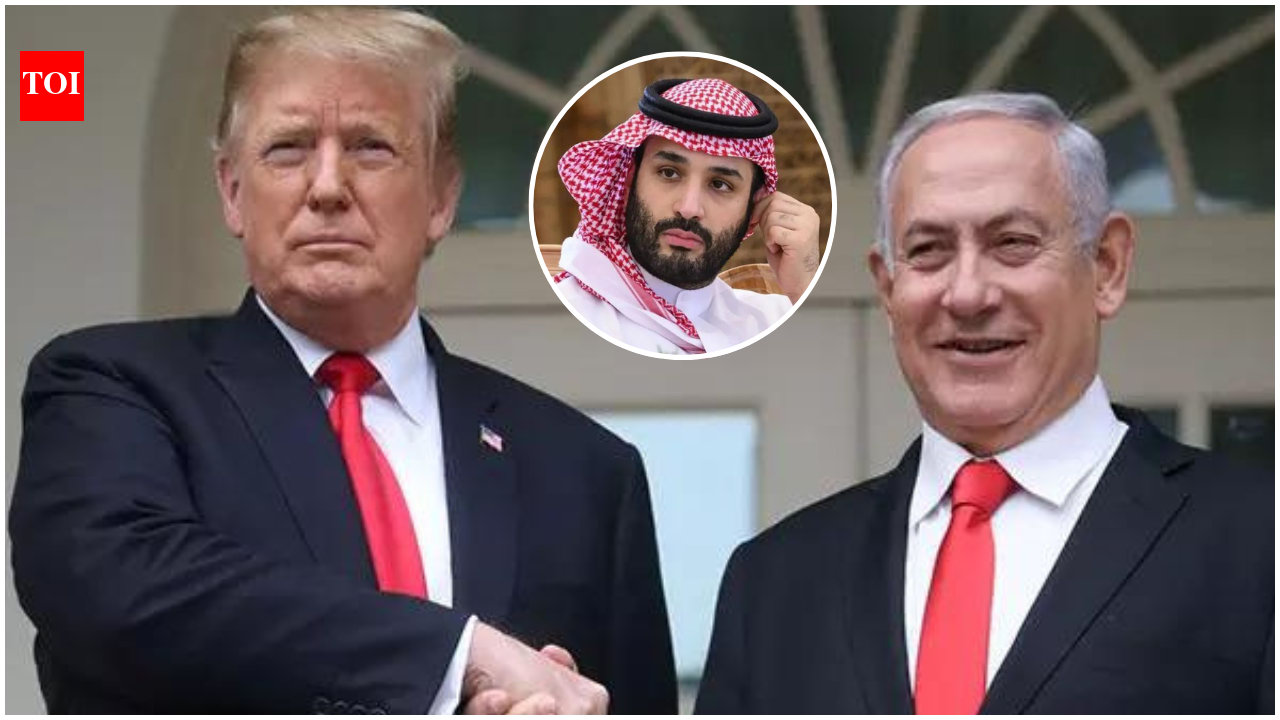
President Trump has linked the U.S.-Saudi civilian nuclear deal to Riyadh joining the Abraham Accords and normalizing ties with Israel. The president also emphasized that the agreement strictly prohibits uranium enrichment, amid ongoing concerns regarding nuclear proliferation.
The Intersection of Nuclear Diplomacy and Regional Normalization
President Donald Trump has introduced a significant pivot in U.S. foreign policy by explicitly conditioning the recently unveiled civilian nuclear agreement with Saudi Arabia upon the Kingdom’s formal accession to the Abraham Accords. By tethering this high-stakes energy cooperation to the normalization of diplomatic relations with Israel, the administration has effectively transformed a bilateral technical pact into a broader geopolitical instrument aimed at reshaping Middle Eastern alliances.
Non-Proliferation and Technical Constraints
Central to the administration's messaging is the categorical denial of uranium enrichment capabilities for Saudi Arabia under this deal. President Trump’s assertion that "there will be no enrichment of material" is a strategic response to widespread skepticism from international policy experts and congressional critics who fear that civilian nuclear infrastructure could serve as a precursor to clandestine military programs. By emphasizing the non-military nature of the agreement, the White House seeks to mitigate fears of an regional arms race, though the technical monitoring required to ensure compliance remains a point of intense scrutiny.
The Abraham Accords as a Diplomatic Lever
By demanding that Riyadh join the Abraham Accords, the administration is attempting to leverage the Kingdom’s desire for advanced energy technology to secure a historic diplomatic breakthrough. The Abraham Accords, which facilitated normalization between Israel and several Arab nations, are viewed by the current administration as the cornerstone of regional stability. However, this linkage introduces a new layer of complexity, as it forces Saudi Arabia to navigate the sensitive political friction between its domestic national interests and the regional demands of the Palestinian cause.
Saudi Arabia’s Stance and Regional Realities
Saudi Arabia has maintained a consistent, long-standing position that any formal recognition of Israel is contingent upon tangible progress toward a Palestinian state. By introducing the Abraham Accords as a prerequisite for the nuclear deal, the U.S. is testing the rigidity of the Saudi position. This development places the Saudi leadership in a difficult diplomatic position, as they must weigh the economic and technological benefits of the nuclear pact against their stated commitments regarding Palestinian statehood.
Congressional and Geopolitical Implications
This shift has significantly altered the landscape for the deal's approval in Congress. Lawmakers, already wary of nuclear proliferation risks, are now faced with a multi-faceted policy package that blends energy security with high-level regional diplomacy. The uncertainty surrounding these new conditions suggests that future negotiations will be fraught with difficulty, as both Riyadh and Washington must reconcile their divergent priorities. The outcome of this standoff will likely define the trajectory of U.S.-Saudi relations for the remainder of the administration's term and influence the stability of the broader Middle East.