Trump's Saudi nuclear deal reaches Congress as experts warn of proliferation risk
Source Entity
US Top News and Analysis
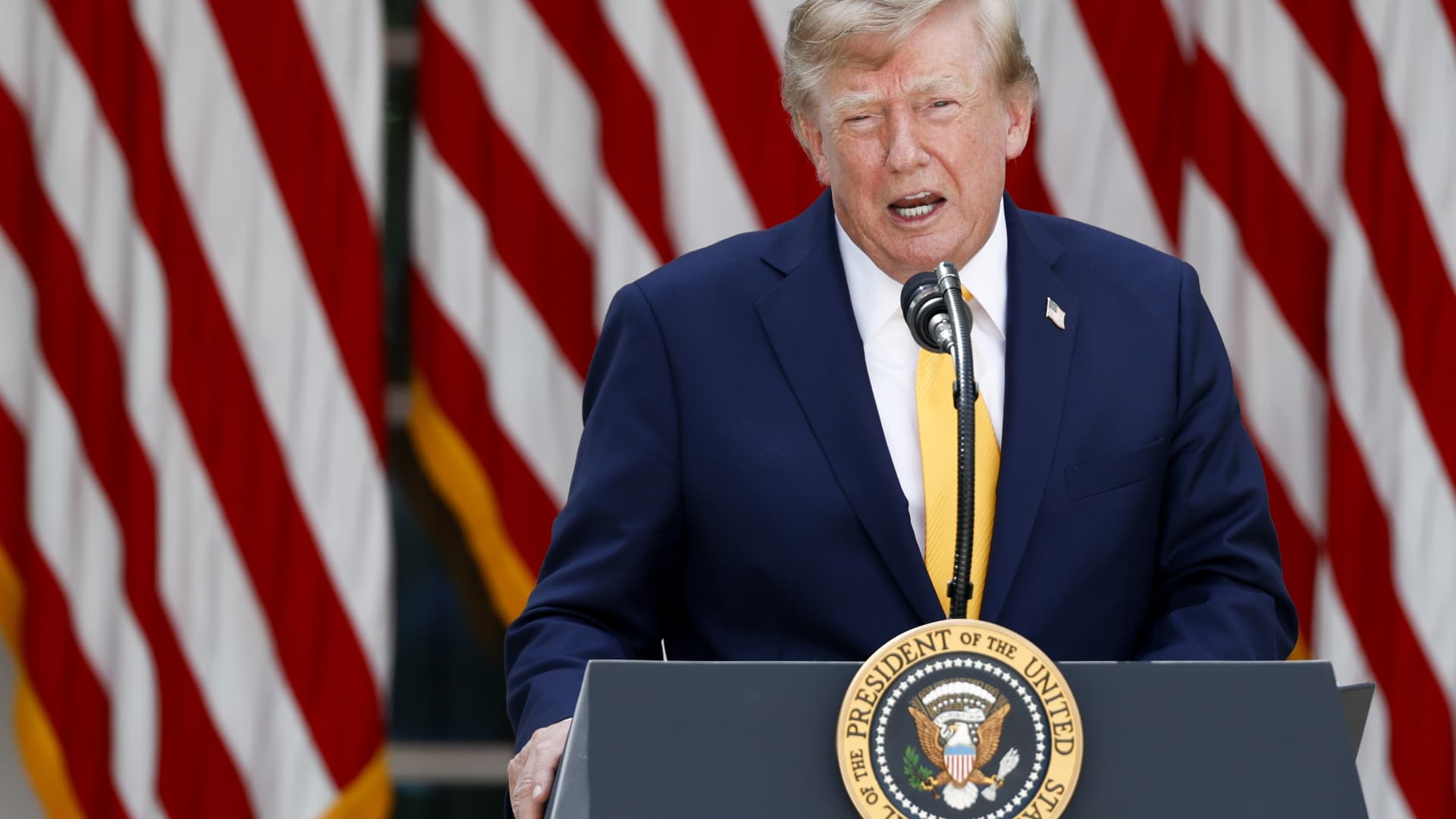
President Trump has submitted a civil nuclear energy agreement with Saudi Arabia to Congress for review. The deal faces scrutiny from lawmakers over potential nuclear proliferation risks and is contingent on Saudi Arabia joining the Abraham Accords.
The U.S.-Saudi Nuclear Agreement: An Overview
President Donald Trump has officially submitted a proposed civil nuclear energy agreement with Saudi Arabia to the U.S. Congress, initiating a mandatory review period. This pact, which aims to facilitate the export of American civilian nuclear technology to the kingdom, represents a significant shift in Middle Eastern energy policy. By moving this agreement forward, the administration seeks to solidify industrial partnerships while navigating the complex geopolitical landscape of the region.
The Proliferation Debate and Congressional Scrutiny
The proposed deal has encountered immediate resistance from several Democratic lawmakers and various nonproliferation advocates. The primary point of contention lies in the agreement's structure, specifically the absence of a permanent prohibition on the enrichment of uranium or the reprocessing of spent fuel. Critics argue that without these "gold standard" safeguards, the transfer of nuclear technology could inadvertently lower the threshold for Saudi Arabia to develop a nuclear weapon, thereby fueling a regional arms race.
The Abraham Accords Connection
A critical component of this initiative is its linkage to broader diplomatic goals. A U.S. official has confirmed that the administration’s support for the deal is strictly conditional: the agreement will only proceed if Saudi Arabia formally joins the Abraham Accords. This strategy reflects a long-standing administration effort to integrate Israel into the regional security and economic framework, using the promise of advanced nuclear cooperation as a significant diplomatic lever.
Regulatory Framework and Legal Standing
According to administration officials, the agreement was spearheaded by the Department of Energy and is being presented as fully consistent with the requirements of the Atomic Energy Act. The submission triggers a formal congressional review process, which serves as a vital check and balance in the export of sensitive dual-use technologies. This legal pathway is designed to ensure that international nuclear commerce remains within the bounds of U.S. national security interests and global nonproliferation norms.
Future Implications for Middle Eastern Energy
If approved, the deal would open the Saudi market to U.S. nuclear firms, allowing them to compete with international rivals who have also vied for influence in the kingdom's energy sector. However, the future of the deal remains precarious. The ongoing debate highlights the persistent tension between the desire to promote American commercial interests abroad and the imperative to maintain strict control over nuclear fuel cycles to prevent the spread of weaponization capabilities.
Conclusion
The submission of this pact marks a pivotal moment in U.S.-Saudi relations. As Congress begins its review, the administration faces the dual challenge of satisfying its regional diplomatic objectives while addressing legitimate concerns regarding the long-term proliferation risks associated with civil nuclear technology transfers. The outcome of this congressional review will likely define the contours of U.S. nonproliferation policy for the remainder of the decade.