How Hegseth's 'purge' triggered a US Army leadership crisis as Iran war nears six months
Source Entity
TOI DEFENCE DESK
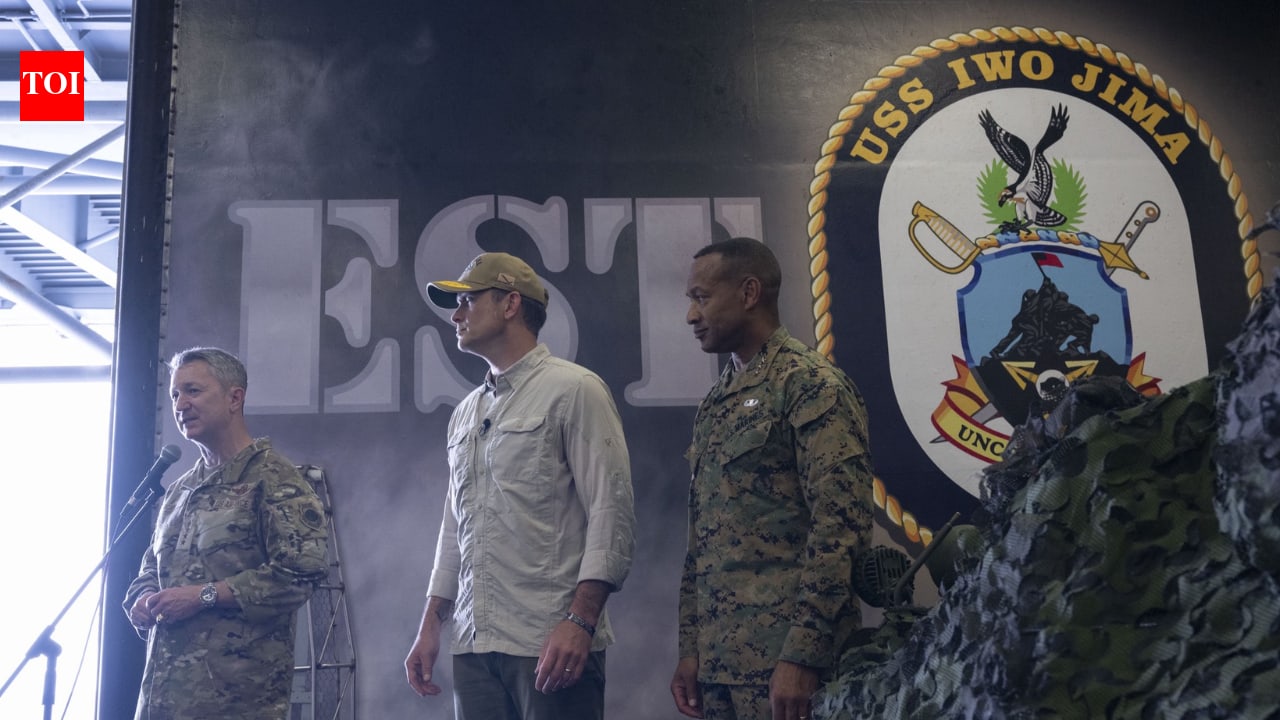
The US Army is grappling with a severe leadership crisis following a series of high-level removals by Defense Secretary Pete Hegseth. This vacuum in command coincides with escalating regional tensions in West Asia and threats to American military assets.
The Erosion of Command: A Crisis in the US Army
The United States Army is currently navigating a period of profound organizational instability following a series of aggressive personnel changes initiated by Secretary of War Pete Hegseth. The removal of multiple senior officers, coupled with the absence of a permanent Chief of Staff, has created a significant leadership void at the highest echelons of the military bureaucracy. This disruption to continuity is not merely an administrative hurdle; it represents a fundamental fracture in the command structure during a period of heightened geopolitical volatility.
The Strategic Cost of Institutional Churn
The decision to purge established senior leadership has immediate implications for the Army’s institutional expertise. Military efficacy is built upon years of professional experience, tactical knowledge, and the cultivation of command relationships. By removing key figures, the Department of War risks stripping the institution of the very decision-makers required to oversee complex, rapid-response operations. The expected departure of the Army's senior civilian official further exacerbates this instability, leaving a hollowed-out command tier that struggles to maintain operational readiness.
West Asia Under Siege
This internal upheaval is occurring against the backdrop of a volatile security environment in West Asia. As the conflict nears the six-month mark, American bases remain targets for persistent drone and missile strikes. The timing of the leadership purge is particularly concerning, as the military requires stable, experienced oversight to manage defensive postures and potential escalations in a hostile theater. The disconnect between a leaderless command structure and an active, evolving combat environment creates a dangerous vulnerability for personnel stationed in the region.
Historical Context and Institutional Stability
Historically, the US military has relied on a clear, unbroken chain of command to ensure civilian oversight and operational success. The current situation marks a departure from traditional norms of military management, where leadership transitions are typically phased to prevent power vacuums. The sudden nature of these removals suggests a shift in administrative strategy that prioritizes ideological or structural realignment over the preservation of existing institutional knowledge, a move that critics argue undermines long-term military effectiveness.
Future Trends and Strategic Risks
Looking forward, the persistence of these vacancies will likely hinder the Army's ability to pivot toward new strategic challenges. If the leadership void remains unaddressed, the military may struggle to coordinate inter-agency responses or maintain the morale of a force facing sustained external threats. The future of US military operations in West Asia depends heavily on the restoration of a functional, experienced command structure capable of navigating the dual pressures of internal bureaucratic restructuring and external geopolitical aggression.