"We Get Along Great": Trump Softens China Stance Ahead Of Xi Jinping's Visit
Source Entity
NDTV News Search Records Found 1000
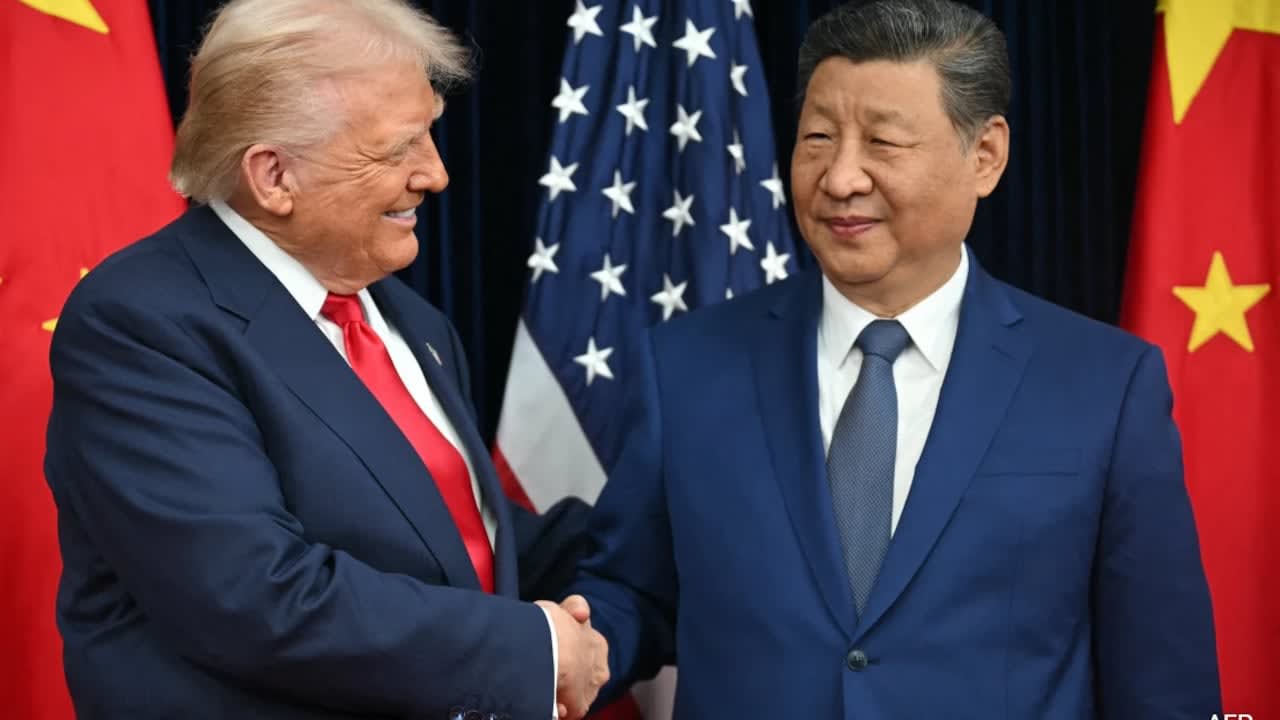
President Trump has adopted a more hospitable diplomatic approach toward China ahead of President Xi Jinping's visit. This shift reflects a strategic pivot after previous attempts to unilaterally alter Chinese state behavior proved unsuccessful.
A Diplomatic Pivot: Assessing the Shift in U.S.-China Relations
The Failure of Coercive Diplomacy
The recent shift in rhetoric from the Trump administration, characterized by the president’s assertion that he and his Chinese counterpart "get along great," marks a significant departure from earlier, more aggressive trade and geopolitical posturing. For years, the U.S. strategy focused on utilizing economic pressure, including tariffs and trade sanctions, to force a fundamental change in China’s economic and industrial behavior. The admission that these tactics were unable to yield the desired results suggests a pragmatic, if forced, recalibration of foreign policy goals.
Hospitality as a Strategic Tool
Faced with the persistence of Chinese structural economic policies, the administration has pivoted toward a strategy centered on personal diplomacy and high-level hospitality. By emphasizing a positive interpersonal relationship with President Xi Jinping, the White House is attempting to leverage soft power to manage bilateral tensions. This shift indicates that the administration is prioritizing the maintenance of a functional dialogue over the immediate, and perhaps unrealistic, expectation of rapid systemic change within the Chinese state apparatus.
Historical Context of U.S.-China Summits
Historically, U.S. administrations have often struggled to balance the competitive and cooperative elements of the relationship with Beijing. The move toward hosting President Xi follows a long tradition of utilizing state visits to stabilize relations during periods of intense friction. By softening the public stance, the administration aims to create a more conducive environment for negotiations, potentially reducing the risk of accidental escalation in areas like trade, technology, and regional security.
Broader Geopolitical Implications
This development carries significant weight for global markets and international alliances. When the world's two largest economies signal a reduction in overt hostility, it provides a degree of predictability that global investors and allied nations often crave. However, the move also raises questions about whether this "hospitality-first" approach will provide any concrete concessions from Beijing or if it serves primarily as a domestic political narrative to frame the relationship as under control.
Future Trends and Outlook
Looking ahead, it is likely that the U.S.-China relationship will remain characterized by this tension between competitive structural realities and the necessity of diplomatic engagement. If the strategy of hospitality does not lead to measurable policy shifts from China, the administration may find itself under pressure to return to more aggressive measures. Ultimately, this visit serves as a test case for whether personal rapport can bridge the gap where traditional economic statecraft has failed to deliver.
Verification Required?