Trump sued hours after new tariffs take effect, as experts say they may not hold up
Source Entity
US Top News and Analysis
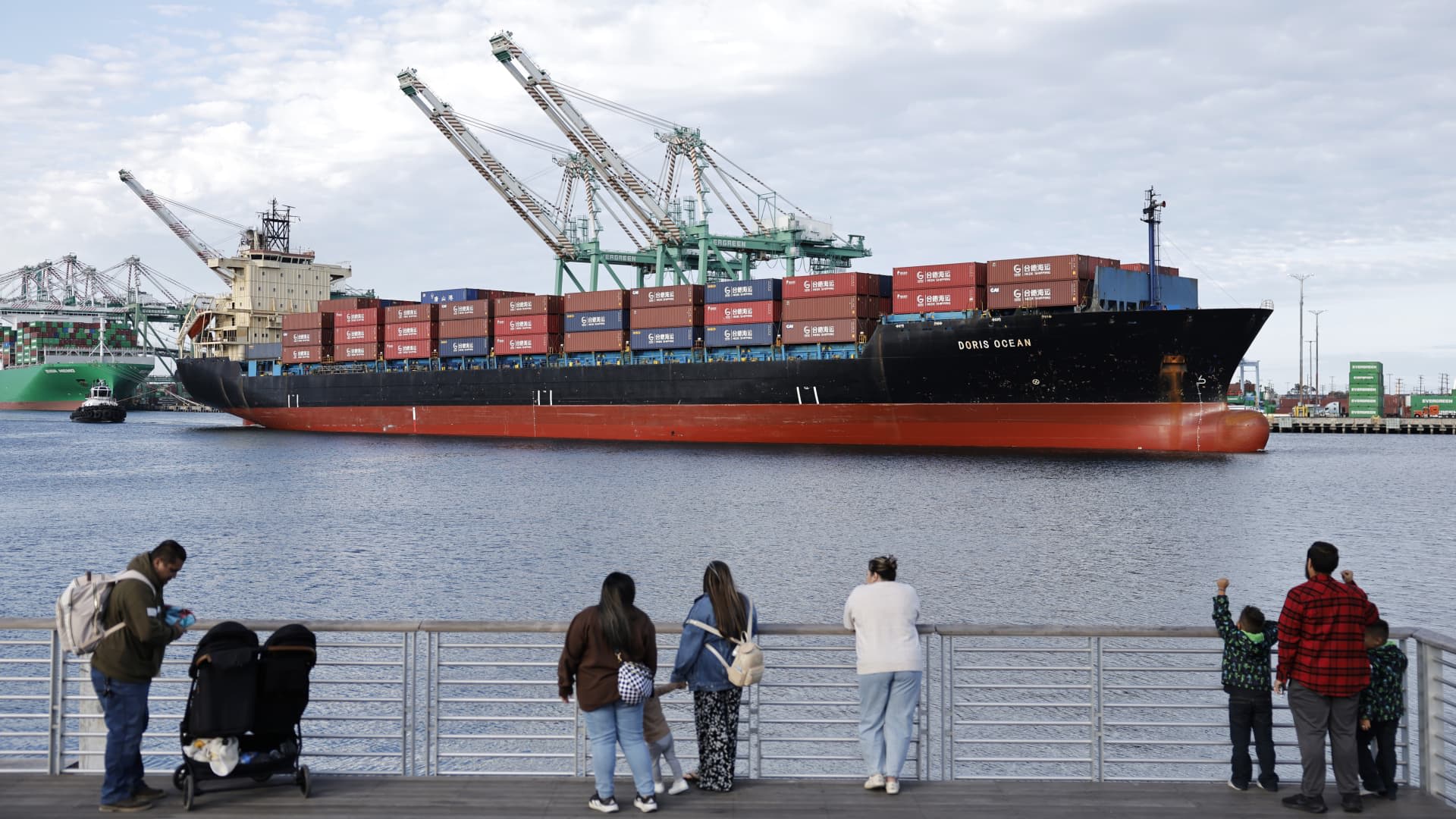
President Trump's new broad-spectrum tariffs, justified under Section 301 of the Trade Act of 1974, are facing immediate legal challenges. These measures aim to combat forced labor practices but have already encountered judicial scrutiny, threatening the viability of the administration's trade agenda.
The Legal Battle Over Global Tariffs
President Donald Trump has initiated a massive overhaul of U.S. trade policy, implementing a new wave of tariffs that targets goods from over 80 countries. By imposing a 25% duty on Brazilian imports and threatening a 50% levy on Canadian goods, the administration has signaled a aggressive stance on international commerce. These actions, framed as a "liberation day" for the American economy, have immediately triggered a legal challenge, casting doubt on the long-term sustainability of the President's trade strategy.
The Role of Section 301
The administration’s justification for these tariffs relies heavily on Section 301 of the Trade Act of 1974. Historically, this statute allows the U.S. Trade Representative to take action against foreign countries that violate trade agreements or engage in unjustifiable or unreasonable practices that burden U.S. commerce. By invoking this section, the administration is attempting to formalize its claim that these trading partners are failing to curb forced labor practices, effectively linking human rights enforcement to global trade logistics.
Economic and Global Implications
With these tariffs impacting trade partners that account for 99.4% of total U.S. trade volume, the potential for economic disruption is vast. The imagery of container ships departing from ports like Los Angeles underscores the tangible, physical reality of these policy shifts. As supply chains remain hyper-connected, any significant shift in import duties—especially those reaching 50%—threatens to increase costs for domestic manufacturers and consumers alike, while potentially inciting retaliatory measures from key allies like Canada.
Judicial Precedent and Challenges
Legal experts are already drawing parallels between these new duties and previous attempts by the Trump administration to reshape trade policy, which were often met with judicial reversals. Courts have historically been skeptical of broad, sweeping applications of executive power in trade matters when they lack specific legislative backing. The fact that the first legal challenge was filed within hours of the tariffs taking effect suggests that the judiciary will once again be the primary arbiter of this trade war.
Future Trends and Stability
Looking ahead, the success of this trade agenda will hinge on whether the administration can survive the scrutiny of the judicial branch. If these tariffs are struck down, as previous measures have been, the government may be forced to pivot toward more traditional, surgical trade enforcement methods. Conversely, if the courts uphold these Section 301 actions, it could establish a precedent for long-term protectionist policies that fundamentally alter how the United States interacts with the global market for years to come.