Trump's comments on a united Ireland may have targeted audience across the Atlantic
Source Entity
BBC News
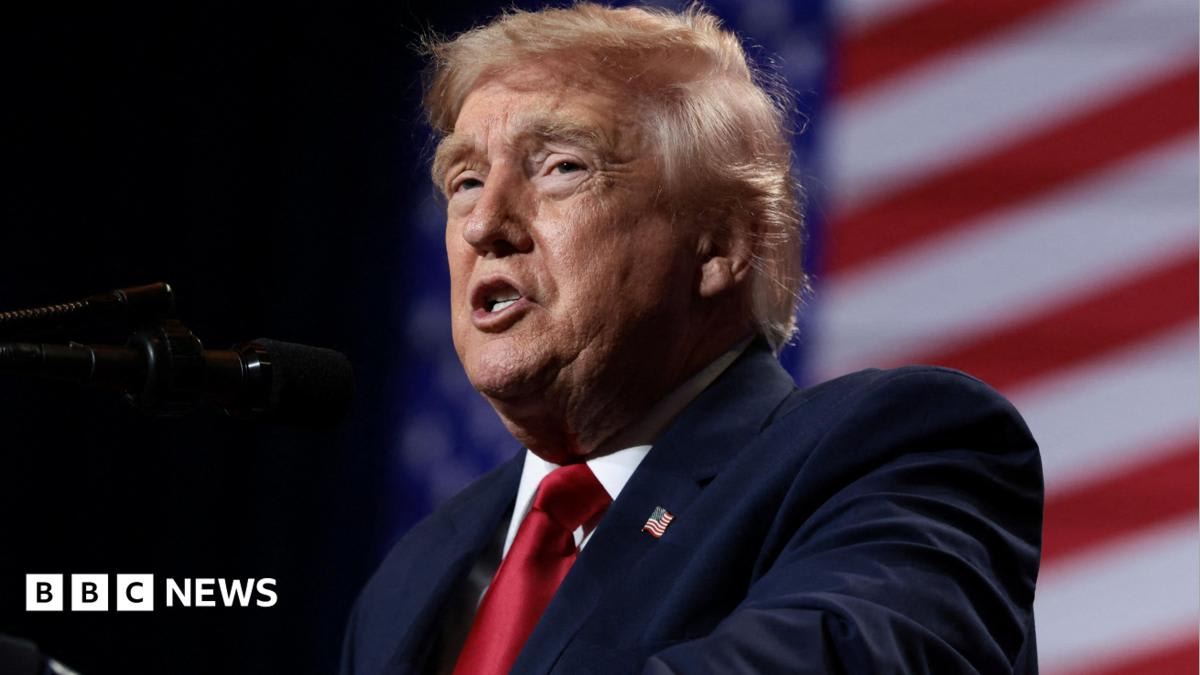
President Trump's unexpected remarks regarding a unified Ireland during his visit have sparked significant international debate. The comments have left observers questioning whether this signals a formal shift in U.S. policy or remains an impulsive, off-the-cuff statement.
The Diplomatic Ripple Effect of Trump’s Irish Remarks
When President Donald Trump arrived for his two-day visit to Ireland, the diplomatic community expected standard protocol and carefully curated photo opportunities. However, the unpredictability that has defined his presidency manifested once again, shifting the global media focus toward a highly sensitive and historically charged topic: the unification of Ireland. By expressing a desire to see a unified Ireland, Trump ignited a firestorm of speculation that reverberated far beyond the borders of the island itself.
Analyzing the Unpredictability of US Foreign Policy
The core of the international reaction lies in the uncertainty regarding whether these comments constitute a substantive shift in the United States' long-standing diplomatic stance. Historically, the U.S. has maintained a delicate balance regarding the status of Northern Ireland, rooted in the Good Friday Agreement. When a world leader of Trump’s stature makes such a bold assertion, it forces stakeholders in both Dublin and London to question if this represents a calculated policy maneuver or merely an impulsive response to a reporter's question.
Historical Context and Diplomatic Sensitivity
The question of Irish unification remains one of the most volatile and significant issues in modern European politics. By wading into this narrative, the U.S. administration touched upon decades of fragile peace processes and complex relationships between the Republic of Ireland and the United Kingdom. Such remarks risk destabilizing the careful neutrality that American presidents have traditionally employed to facilitate diplomatic stability in the region.
The Role of Media and Public Perception
The incident serves as a primary example of how the modern press conference environment functions under the current administration. Trump’s preference for taking questions and providing candid, often unscripted, answers has frequently bypassed traditional diplomatic channels. In this instance, the global headline was not dictated by the formal agenda of the visit, but by the President’s willingness to engage in speculative rhetoric that carries immense weight on the international stage.
Future Implications for Transatlantic Relations
As the shockwaves continue to ripple through the United Kingdom and Ireland, the long-term impact on transatlantic relations remains to be seen. If this remark is eventually codified as a formal policy position, it could represent a radical departure from established U.S. foreign policy norms. Conversely, if it is dismissed as an off-the-cuff comment, it highlights the ongoing challenge for foreign allies in distinguishing between the President's personal musings and official governmental intent.
Conclusion
Ultimately, the visit to Ireland underscores the inherent uncertainty that accompanies modern diplomacy. Whether intended to court specific segments of the electorate across the Atlantic or merely a spontaneous observation, the President’s comments have fundamentally altered the discourse surrounding Irish unification. The event serves as a stark reminder of how quickly a single statement can redefine the geopolitical narrative of a high-profile state visit.