Judge dismisses Trump's $20 billion defamation lawsuit against Wall Street Journal over Epstein birthday letter
Source Entity
Latest News: Todays Latest News Headlines from India & World | Hindustan Times
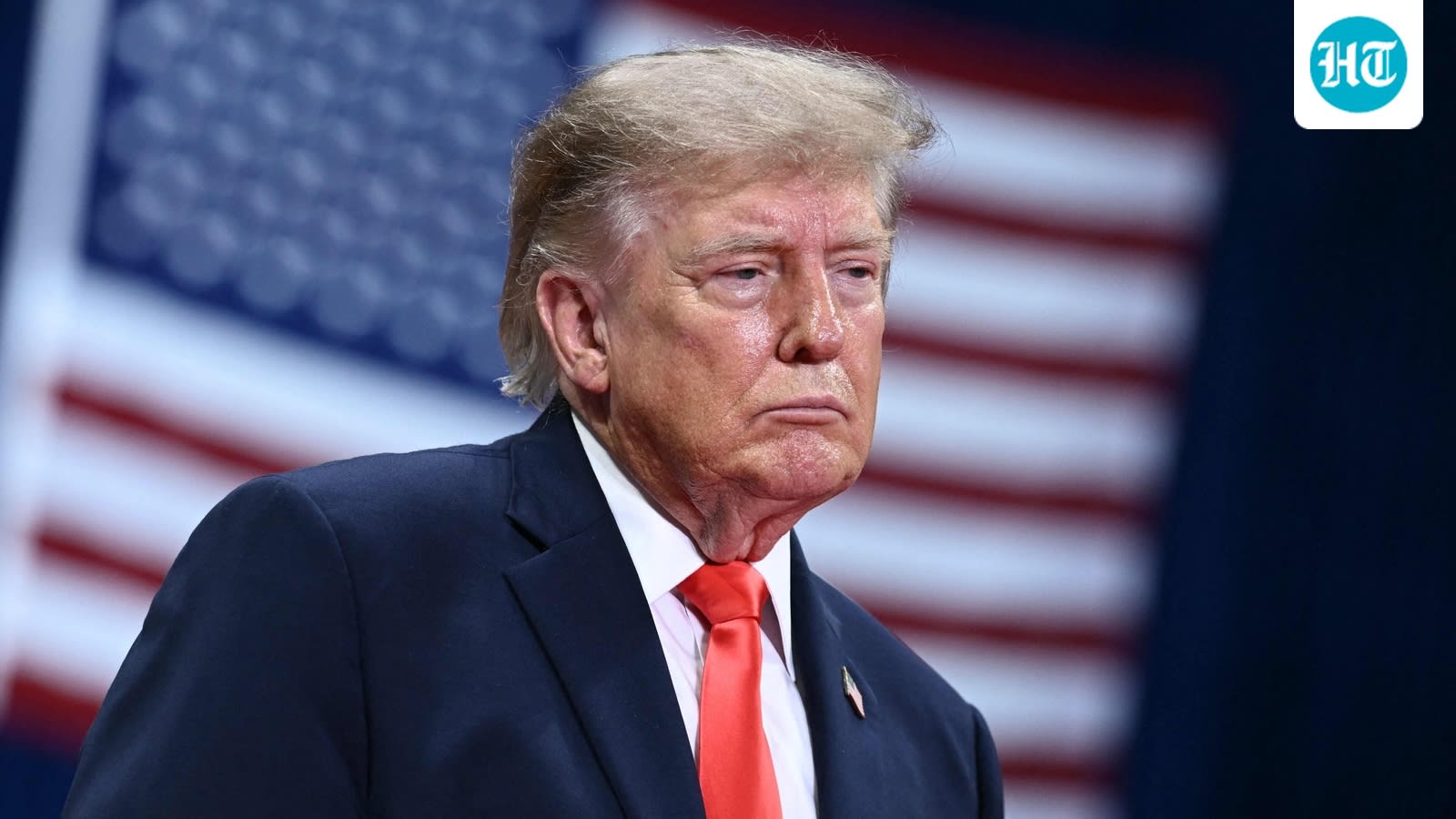
A federal judge has permanently dismissed President Donald Trump's $20 billion defamation lawsuit against The Wall Street Journal and Rupert Murdoch. The court ruled that Trump failed to prove actual malice regarding the paper's reporting on a controversial letter linked to Jeffrey Epstein.
Legal Setback: Trump’s Defamation Suit Dismissed
In a significant legal development, U.S. District Judge Darrin Gayles has dismissed President Donald Trump’s $20 billion defamation lawsuit against media mogul Rupert Murdoch and The Wall Street Journal. The ruling, issued on Saturday, marks the second time the court has rejected the claims, and this time, the dismissal has been filed 'with prejudice.' This legal term signifies that the case is permanently closed, preventing the plaintiff from filing an amended version of the complaint in the same district court.
The Core of the Dispute
The litigation centered on an investigative report published by The Wall Street Journal in July 2025. The article explored a purported 50th birthday letter allegedly written by Donald Trump and addressed to the late financier and convicted sex offender Jeffrey Epstein. President Trump’s legal team argued that the reporting was defamatory; however, the court found these arguments insufficient to meet the high legal threshold required for defamation claims against public figures.
Failure to Prove 'Actual Malice'
Under U.S. law, public figures like the President must prove 'actual malice' to succeed in a defamation suit. This requires demonstrating that the publisher knew the information was false or acted with reckless disregard for the truth. Judge Gayles concluded that Trump failed to plausibly allege such malice. In his 20-page ruling, the judge noted that the newspaper conducted a 'thoughtful and detailed investigation' into the matter, effectively dismantling the claim that the publication was driven by malicious intent.
Judicial Criticism of the Complaint
Judge Gayles was notably critical of the legal strategy employed in the amended complaint. He described the plaintiff’s efforts as 'grasping at straws,' suggesting that the legal team was attempting to 'manufacture' flaws in the Journal’s investigative process rather than presenting concrete evidence of defamation. This judicial rebuke underscores the difficulty of challenging high-standard investigative journalism in federal court when the underlying reporting is backed by a robust editorial process.
Broader Implications and Future Trends
The dismissal serves as a firm reminder of the protections afforded to the press under the First Amendment, particularly regarding the 'actual malice' standard established in landmark cases like New York Times Co. v. Sullivan. While President Trump’s legal team has indicated plans to appeal the decision, the 'with prejudice' status of the current dismissal presents a formidable barrier. This case highlights the ongoing tension between political figures and legacy media outlets, a trend that is likely to continue as both sides rely on the judiciary to adjudicate disputes over narrative and reputation.
Concluding Summary
Ultimately, this ruling reinforces the judicial system's adherence to established standards for defamation. By upholding the integrity of the Wall Street Journal’s reporting process, the court has effectively halted a high-stakes multibillion-dollar claim. As the matter moves toward a potential appeal, the legal community will be watching closely to see if any higher court finds merit in the arguments that Judge Gayles has twice found lacking.
Multiple Citing Sources
Verification Required?