Trump Announces Russia-Ukraine Energy Ceasefire, Zelensky Says "News For Me"
Source Entity
NDTV News Search Records Found 1000
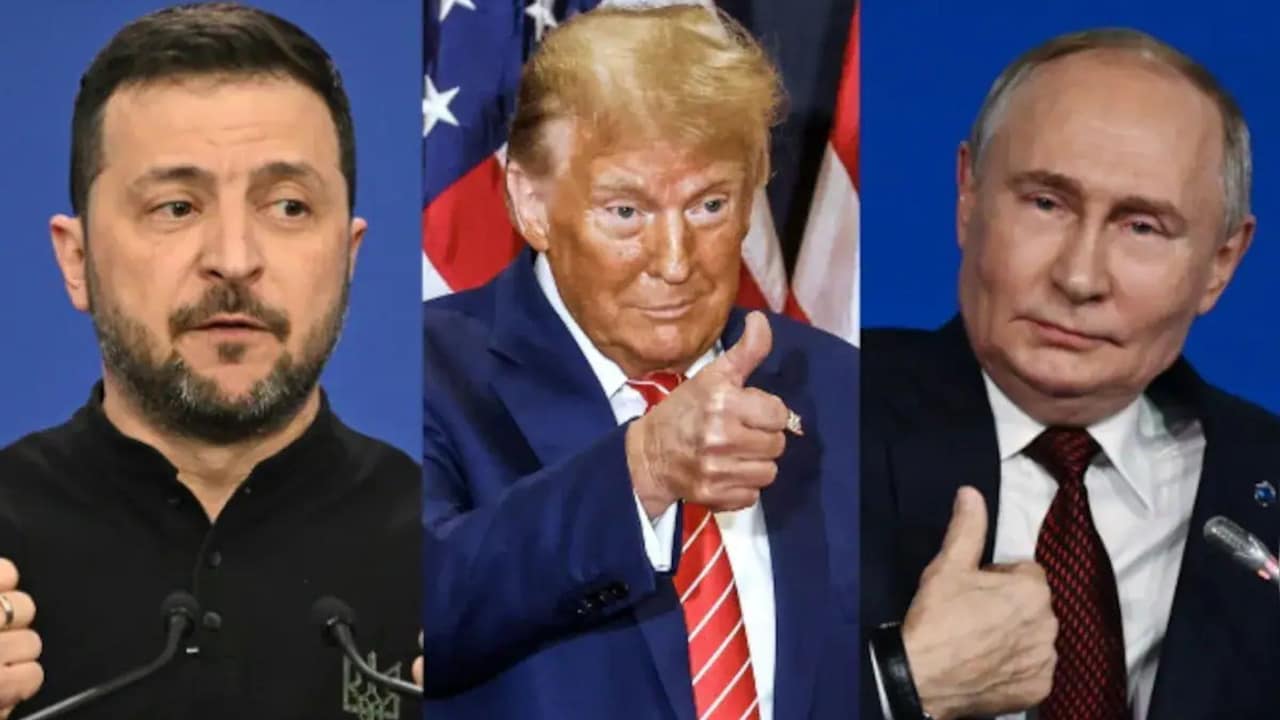
Donald Trump has publicly called for a change in Ukrainian leadership following his announcement of a diesel deal with Russia. President Zelenskyy criticized the agreement, arguing that it provides financial support to Moscow's ongoing war efforts.
The Geopolitical Fallout of the US-Russia Diesel Agreement
Recent statements from Donald Trump regarding the leadership of Ukraine have ignited a significant diplomatic firestorm. By calling for a change in the presidency of Ukraine, Trump has signaled a potential shift in the United States' stance toward the current administration in Kyiv. This rhetoric emerges directly from a contentious disagreement over a newly announced deal involving the release of Russian diesel into the United States, a move that has drawn sharp condemnation from Ukrainian officials.
Economic Implications and Energy Markets
The core of this friction lies in the energy sector. Trump’s assertion that he has secured a deal for a major release of diesel from Russia suggests an easing of previous restrictions. In a global market still reeling from energy supply chain disruptions, such a move is designed to impact domestic fuel prices. However, the decision to facilitate this trade carries heavy geopolitical baggage, as it directly engages with the primary economic engine—Russia’s energy sector—that remains under heavy international scrutiny due to the ongoing conflict in Eastern Europe.
Zelenskyy’s Critique and Funding Concerns
President Zelenskyy’s reaction has been one of clear opposition, framing the diesel deal as a strategic error. His argument centers on the financial reality of the war: by purchasing or facilitating the flow of Russian energy resources, the United States is arguably providing Moscow with the capital necessary to sustain its military operations. Zelenskyy’s vocal disapproval highlights the fundamental tension between domestic US economic interests, such as lower fuel costs, and the broader objective of isolating Russia's economy to weaken its war-making capabilities.
The Shift in Diplomatic Tone
The call for a 'new president' in Ukraine marks a departure from standard diplomatic decorum and underscores a growing rift between Trump’s vision for US-Russia relations and the current Ukrainian government’s survival strategy. By targeting Zelenskyy personally, Trump is shifting the focus from policy debates to the legitimacy of the Ukrainian leadership itself, suggesting that the current administration is an obstacle to his preferred diplomatic or economic outcomes.
Future Trends in International Relations
As these events unfold, the international community is watching closely to see how this rhetoric translates into policy. If the US proceeds with the easing of diesel curbs, it could fracture the unified front maintained by many Western nations against Russian energy dependence. Furthermore, the public nature of this dispute suggests that the relationship between the US and Ukraine will face significant volatility, as the priorities of the two nations increasingly diverge on the role of Russian energy in the global market.
Conclusion
Ultimately, the convergence of energy policy and political criticism creates a complex dilemma for global diplomacy. While the deal may offer immediate relief for domestic energy markets, the long-term cost may be a weakened alliance and a resurgence of Russian economic influence. The coming months will likely see further debate over whether energy expediency justifies the potential undermining of allied leadership in the face of an active conflict.
Multiple Citing Sources
Verification Required?