Expert Explains: How Netanyahu’s war unexpectedly birthed an Islamic defence alliance
Source Entity
Omair Anas
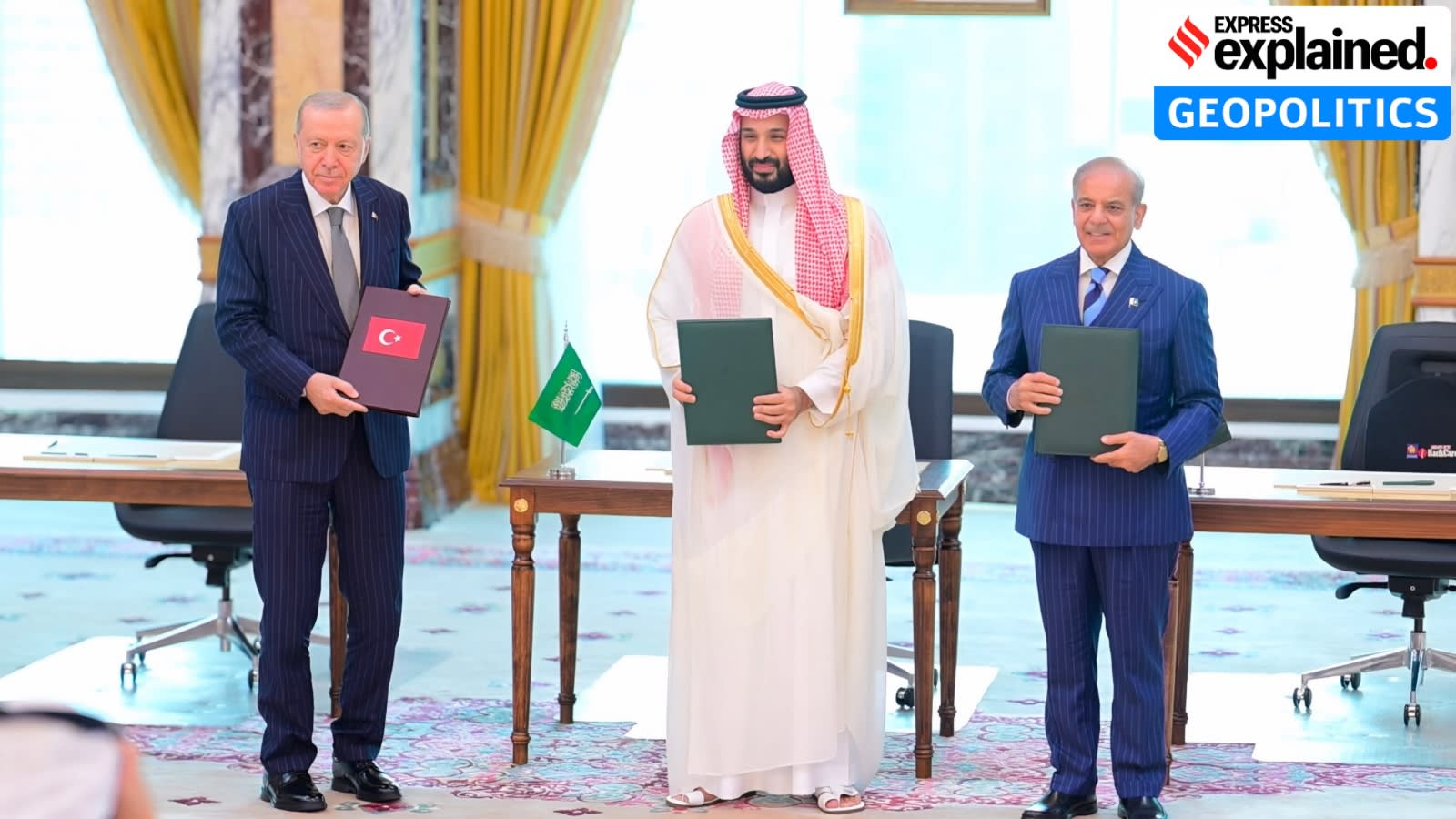
The ongoing conflict in Gaza has catalyzed a new defense alliance between Turkey, Pakistan, and Saudi Arabia. This shift reflects rising regional tensions following Israel's military actions and the gradual erosion of previous diplomatic normalization efforts.
The Geopolitical Shift: A New Islamic Defense Alliance
Historical Precedents and the 1969 Catalyst
The origins of collective Islamic political action often trace back to the 1969 arson attack on the Al-Aqsa Mosque in Jerusalem. This inflammatory event served as the primary impetus for the creation of the Organisation of Islamic Cooperation (OIC). Since its inception, the OIC has maintained the Palestinian cause and the status of Jerusalem as central, non-negotiable pillars of its diplomatic agenda, establishing a historical precedent for reactive regional solidarity in the face of perceived threats to Islamic holy sites or sovereignty.
The Gaza Conflict as a Modern Catalyst
Over five decades later, the current war in Gaza has acted as a profound destabilizing force across the Middle East. While the 1969 formation of the OIC was a rapid response, the current realignment is occurring at a more calculated, albeit urgent, pace. The intense military operations in Gaza have generated significant public outrage, placing immense pressure on regional governments. This grassroots anger is specifically directed at rulers who had spent years pursuing a policy of 'warming ties' with Israel, effectively sidelining the Palestinian issue for the sake of economic and security pragmatism.
The Emergence of the Turkey-Pakistan-Saudi Arabia Pact
In a direct response to this changing regional climate, a new defense pact involving Turkey, Pakistan, and Saudi Arabia was announced last week. This trilateral alignment represents a significant shift in the regional security architecture. By formalizing a defense partnership, these nations are signaling a recalibration of their foreign policies, moving away from the trend of normalization with Israel and toward a collective security framework that prioritizes shared Islamic interests and regional stability.
Assessing the Strategic Implications
The formation of this alliance suggests that the geopolitical landscape is pivoting back toward traditional regional power centers. For Turkey, Pakistan, and Saudi Arabia, this pact serves as a mechanism to regain strategic autonomy and respond to the demands of their respective populations. The move indicates that the 'Abraham Accords' era—which sought to integrate Israel into the regional fold—is facing substantial headwinds, as the conflict in Gaza has reignited the urgency of the Palestinian question.
Future Trends and Regional Stability
Looking forward, the success of this defense pact will depend on the participants' ability to harmonize their diverse military doctrines and political priorities. If this alliance gains momentum, it could fundamentally alter the balance of power in the Middle East, potentially leading to a more polarized region. As these nations deepen their cooperation, they may exert greater influence on international diplomatic efforts regarding the Gaza conflict, effectively challenging the status quo established by Israel's recent military expansions.
Conclusion
The emergence of this Turkey-Pakistan-Saudi Arabia defense pact is an indirect but powerful consequence of the ongoing war in Gaza. By revisiting the spirit of solidarity that birthed the OIC in 1969, these nations are attempting to navigate the volatile landscape of contemporary Middle Eastern politics, signaling that the era of ignoring the Palestinian struggle in favor of regional normalization with Israel may be coming to a definitive end.