Byelection outcome a ‘temporary victory for politics of betrayal’, says Stalin
Source Entity
India Latest News: Top National Headlines Today & Breaking News | The Hindu
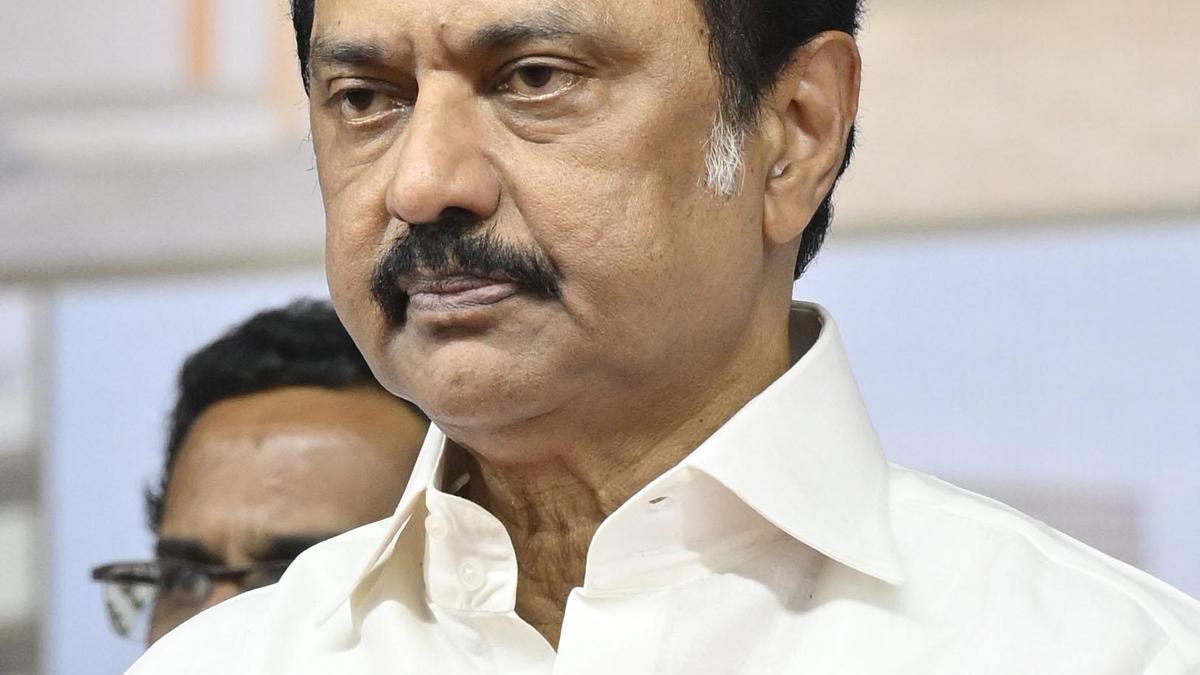
The ruling TVK party in Tamil Nadu secured victories in the Madurantakam and Dharapuram byelections, while the AINRC retained its seat in Puducherry. DMK leader M.K. Stalin has criticized the results as a product of 'politics of betrayal' and political poaching.
Analysis of the Tamil Nadu and Puducherry Bypoll Results
The Consolidation of Power by TVK
On October 9, 2026, the Tamilaga Vettri Kazhagam (TVK) successfully navigated its first electoral test since assuming power five months ago. By securing victories in the Madurantakam and Dharapuram (Reserved) Assembly constituencies, the party has effectively signaled its current dominance in the state’s political landscape. These victories, achieved with comfortable margins of 20,040 and 9,471 votes respectively, provide the ruling party with a crucial mandate to continue its governance agenda, further solidifying the position of its newly elected representatives, Maragatham Kumaravel and P. Sathyabama.
The Dynamics of Defection
The electoral narrative in these constituencies is uniquely shaped by the history of the winning candidates. Both Kumaravel and Sathyabama were originally elected as AIADMK representatives during the April-May 2026 general assembly elections. Their subsequent resignation and defection to the ruling TVK necessitated these byelections. While their victory suggests a successful transition to the ruling party, it also highlights the volatile nature of Tamil Nadu politics, where shifting allegiances often dictate the composition of the legislative assembly.
Opposition Criticism and 'Politics of Betrayal'
DMK President M.K. Stalin has been quick to frame these results as a "temporary victory for the politics of betrayal." By focusing on the aggregate vote share of the opposition, Stalin argues that the TVK has been rejected by a majority of the electorate. His rhetoric underscores a broader critique of the current administration, specifically targeting what he describes as "horse-trading" and the systematic poaching of opposition MLAs. This narrative suggests that the DMK intends to focus its future strategy on highlighting the ethical concerns surrounding the ruling party's expansion tactics.
Regional Stability in Puducherry
While the focus remained heavily on Tamil Nadu, the outcome in the Union Territory of Puducherry provided a contrast in political stability. The All India N.R. Congress (AINRC) successfully retained the Thattanchavady constituency. This victory serves as a reinforcement of the status quo in Puducherry, suggesting that the incumbent administration maintains a level of local trust that differs from the more contested and ideologically charged environment found in the neighboring state.
Implications for Future Electoral Trends
The results of these byelections offer a glimpse into the evolving strategy of the TVK as it seeks to entrench its influence. However, the strong vocal opposition from the DMK indicates that the "politics of image" and the debate over the legitimacy of defecting representatives will remain central themes in future discourse. As the ruling party shifts its focus toward governance, it will face ongoing pressure to prove that its electoral success is not merely a product of tactical poaching but a reflection of sustained public support for its policy platform.
Multiple Citing Sources
Verification Required?