Florida is voting on whether to slash property taxes. Here’s who it would benefit — and hurt.
Source Entity
Andrew Keshner
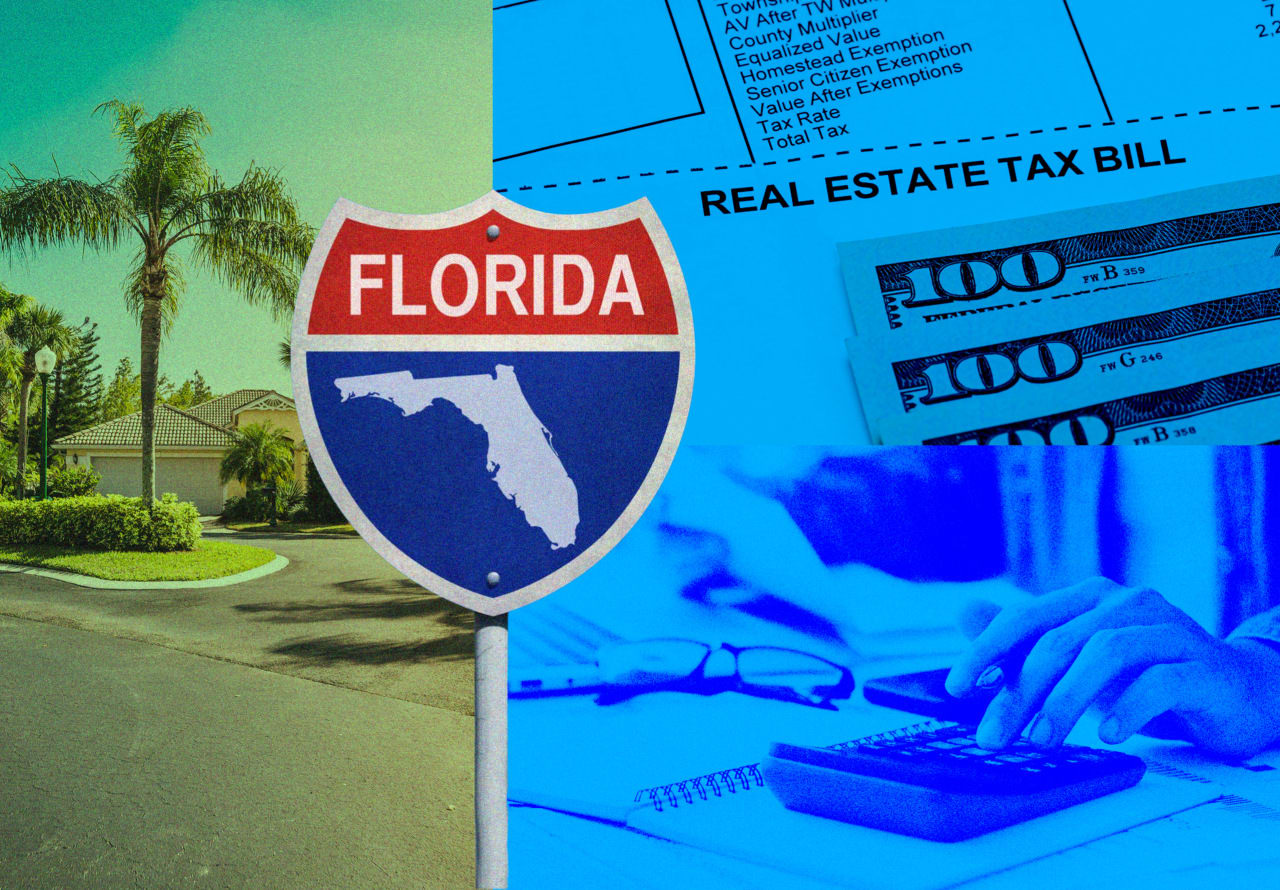
Florida voters are considering Amendment 3, a proposal to significantly reduce property taxes. If passed, the measure could set a national precedent, encouraging other states to pursue similar fiscal policy shifts.
The Fiscal Crossroads: Florida’s Amendment 3
Florida is currently at a critical juncture regarding its fiscal policy as voters weigh in on Amendment 3, a proposal centered on the potential reduction of property taxes. This ballot initiative represents a significant attempt to recalibrate the state's tax burden, stirring a complex debate among residents, local governments, and economic policymakers. At its core, the amendment seeks to address the rising costs of homeownership in an era of fluctuating market values and inflationary pressures.
The Mechanics of Tax Reform
The proposed tax cuts under Amendment 3 are designed to provide immediate relief to property owners, yet the mechanism for this relief necessitates a careful examination of the long-term economic impact. Proponents argue that slashing property taxes will stimulate consumer spending and increase disposable income for households currently strained by high housing costs. However, critics point to the potential erosion of the tax base, which funds essential public services such as education, emergency response, and infrastructure maintenance at the local level.
The Domino Effect: A National Trend?
The significance of Florida’s Amendment 3 extends well beyond the state’s borders. As the provided context notes, the passage of this amendment could add substantial momentum to similar efforts in other states across the U.S. As citizens grapple with the cost-of-living crisis, the push for property tax reform is becoming a defining issue in state legislatures. If Florida succeeds in implementing these cuts, it may serve as a blueprint or a cautionary tale for other jurisdictions looking to overhaul their tax codes.
Analyzing the Winners and Losers
Determining the beneficiaries of this amendment requires a nuanced look at real estate demographics. While homeowners stand to gain from reduced annual tax obligations, the secondary effects on the rental market and local government budgets remain uncertain. If local authorities are forced to cut services to compensate for a smaller tax revenue stream, the overall quality of life in affected municipalities could shift, creating a trade-off between individual tax savings and collective public utility.
Historical Context and Future Implications
Historically, property tax revolts have been a recurring theme in American politics, often surfacing during periods of rapid property value appreciation. By placing this decision directly in the hands of the voters, Florida is engaging in a direct democratic process to resolve a long-standing economic grievance. Moving forward, if the amendment passes, we can expect a wave of legislative copycats and intense scrutiny of the resulting budget adjustments, potentially forcing a nationwide conversation on how states fund public goods without overburdening homeowners.
Verification Required?