Congress Alleges Police Manhandled Ex-Assam Chief During Guwahati Protest
Source Entity
NDTV News Search Records Found 1000
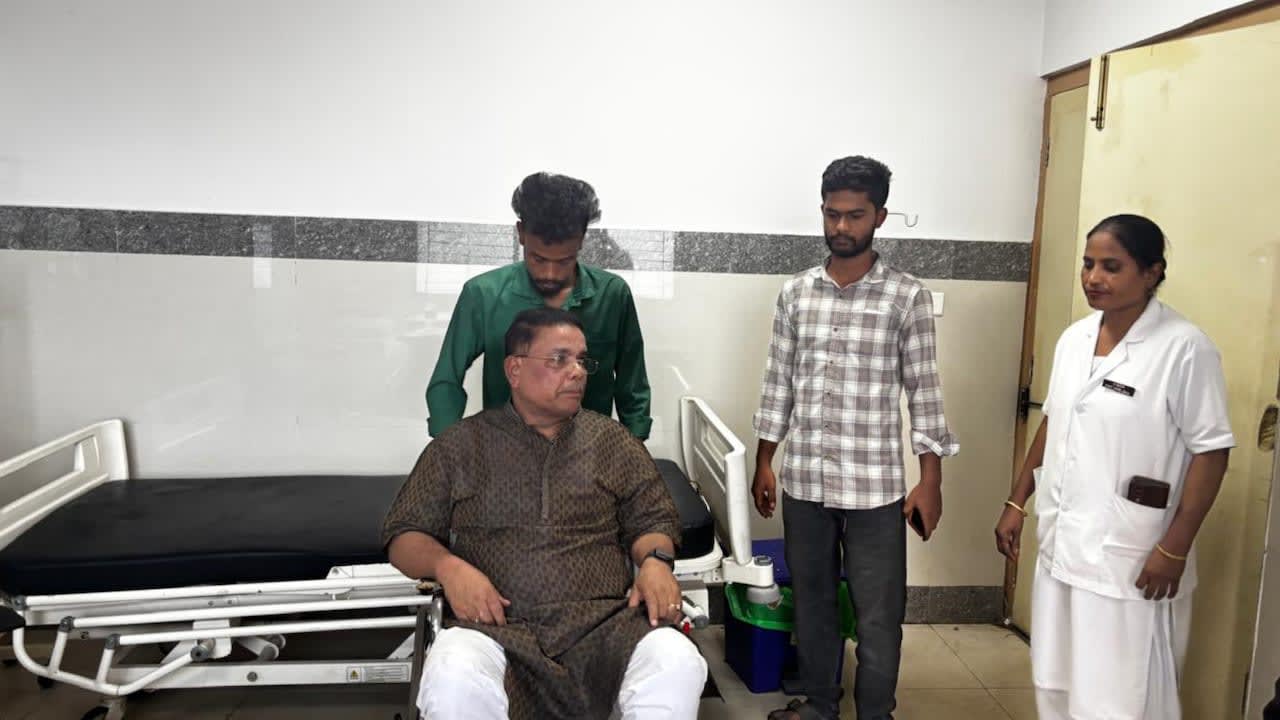
Protesters led by the Raijor Dal gathered near Assam Chief Minister Himanta Sarma's residence to protest against the handling of the state's severe flooding crisis. Concurrently, the Congress party has accused Guwahati police of manhandling a former Assam Chief Minister during the demonstrations.
Tensions Escalate in Guwahati Amidst Flooding Crisis
Recent developments in Guwahati have highlighted a significant surge in political unrest as the state of Assam grapples with a catastrophic flooding season. The core of this agitation stems from public dissatisfaction regarding the government's response to the disaster. Protesters, mobilized by leaders of the Raijor Dal, converged near the residence of Assam Chief Minister Himanta Biswa Sarma, utilizing black flags and vocal slogans to express their grievances. This public display of dissent underscores the growing pressure on the state administration to provide more effective relief and mitigation strategies for the flood-affected population.
Political Friction and Allegations of Police Conduct
The situation grew increasingly volatile when the Indian National Congress intervened, leveling serious allegations against the Guwahati Police. According to party representatives, police personnel reportedly manhandled a former Chief Minister of Assam during the protest activities. Such allegations, if substantiated, represent a critical escalation in the confrontation between the state machinery and opposition political figures. As of the latest reports, there has been no official response from the Guwahati Police regarding these specific claims of misconduct, leaving a gap in the official narrative that further fuels public speculation and political tension.
The Intersection of Disaster Management and Governance
Historically, Assam’s geography makes it uniquely susceptible to annual monsoon flooding, which often leads to large-scale displacement and economic hardship. However, the current protests indicate that the issue has transcended environmental concern and become a central pillar of political discourse. By targeting the Chief Minister’s residence, the Raijor Dal is effectively centering the blame for systemic failure on the current leadership. This strategy is a common feature in regional politics, where opposition parties leverage humanitarian crises to challenge the incumbent administration's competence.
Broader Implications for Assam’s Political Landscape
The involvement of both the Raijor Dal and the Congress party suggests a multi-front political challenge for the ruling government. When opposition forces align—even if informally—under the banner of public interest, the political cost of the flood response increases exponentially. If the administration fails to address the logistical failures in flood relief, it risks losing the public trust necessary for effective governance in the coming months. The incident involving the alleged manhandling of a former Chief Minister is likely to become a focal point for future parliamentary debates and public scrutiny.
Future Trends and Outlook
Moving forward, the state government will likely face increased scrutiny regarding its law enforcement protocols during protests. The lack of an immediate response from the Guwahati Police regarding the allegations of manhandling suggests a period of internal deliberation or a strategic silence. Experts anticipate that as the flood season continues, the frequency of such protests may increase unless there is a visible shift in relief distribution. The state will need to balance maintaining public order with protecting the democratic right to dissent to prevent further deterioration of the local political climate.
Verification Required?