5 mths after fastest Everest climb, US cancer survivor sets mountain run record
Source Entity
VISHANT AGARWALA
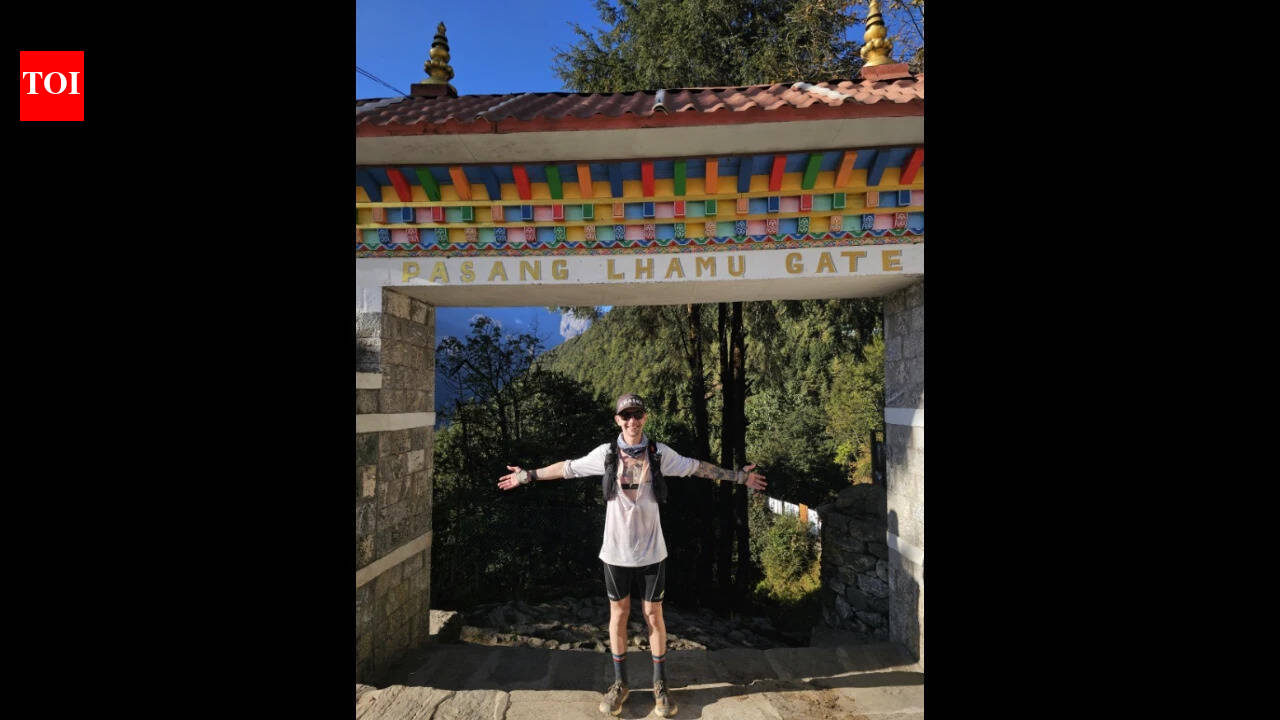
US endurance athlete Tyler Andrews has shattered the Everest Base Camp to Lukla speed record, completing the 54.4km route in just seven hours and 43 minutes. This achievement comes only five months after he established a new speed record for climbing Mount Everest.
A New Milestone in High-Altitude Endurance
American endurance athlete Tyler Andrews, 36, has once again etched his name into the annals of high-altitude mountaineering history. Only five months after establishing a speed record for climbing Mount Everest, Andrews has successfully conquered the 54.4km trail from Everest Base Camp to Lukla in a staggering seven hours and 43 minutes. This achievement represents a monumental leap in performance, shaving more than two hours off the previous record of nine hours, 47 minutes, and 59 seconds, which was held by David Byrne and Majell Backhausen since December 2023.
The Logistics of a High-Altitude Sprint
The route itself is notoriously punishing, characterized by approximately 3,000 meters of elevation loss interspersed with challenging uphill stretches. While the average trekker typically requires three to four days to navigate this terrain, Andrews completed it in a single, rapid effort. His journey began at 7:45 am, following a logistical preparation that saw him travel by helicopter from Namche Bazaar to Gorakshep, before trekking to Everest Base Camp to mark the official start of his record-breaking attempt.
Analyzing the Physical and Mental Demands
Endurance sports at extreme altitudes require a unique physiological profile, particularly the ability to maintain a high aerobic output in oxygen-depleted environments. By setting a record on the descent-heavy path from base camp to Lukla so soon after his Everest speed climb, Andrews demonstrates a rare versatility. The transition from the sheer verticality of summiting Everest to the long-distance trail running required for the Lukla route highlights an elite level of recovery and cardiovascular conditioning that few athletes possess.
Broader Implications for Mountaineering Records
This feat underscores a growing trend in the mountaineering community: the professionalization of 'Fastest Known Time' (FKT) attempts. As athletes like Andrews apply specialized endurance training techniques to the Himalayas, the traditional timelines for traversing these regions are being drastically redefined. The fact that the previous record stood for less than a year, only to be dismantled by such a significant margin, suggests that we are entering an era where human performance in the death zone and its surroundings is being pushed to unprecedented limits.
Future Trends and Concluding Thoughts
Looking ahead, the success of Andrews sets a new benchmark that will likely attract other elite trail runners and endurance specialists to the Everest region. As technology and nutrition science continue to evolve, the gap between traditional trekking and record-breaking speed runs will likely continue to narrow. Tyler Andrews’ latest achievement serves as a testament to the resilience of the human spirit, especially given his background as a cancer survivor, proving that the boundaries of what is physically possible remain a moving target.