UAE Says 2 Oil Vessels Hit By Iran In Strait Of Hormuz
Source Entity
NDTV News Search Records Found 1000
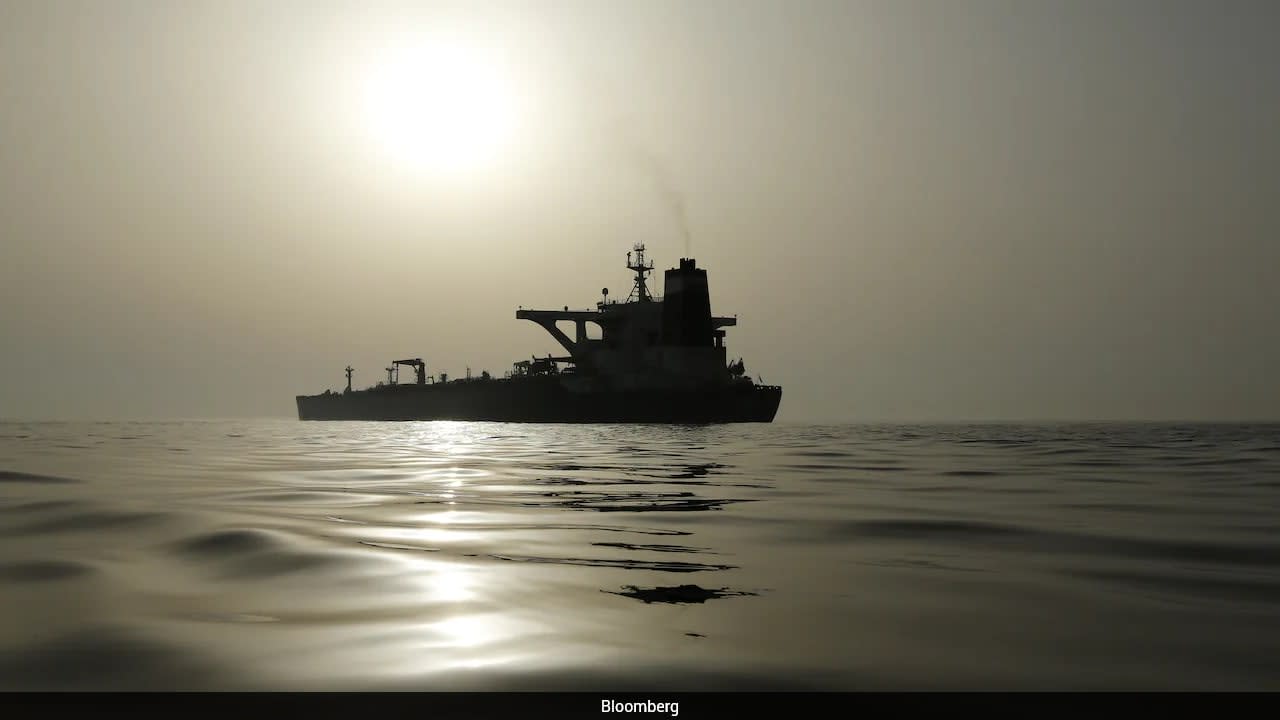
The UAE has reported that two ADNOC oil vessels were struck by Iranian forces within the Strait of Hormuz. This incident marks the second attack on the company's shipping assets in less than a week, signaling a significant escalation in regional maritime tensions.
Escalation in the Strait of Hormuz: An Analysis of Recent Maritime Hostilities
Recent reports indicate that two oil vessels belonging to the Abu Dhabi National Oil Company (ADNOC) have been struck by Iranian forces in the Strait of Hormuz. This development represents a concerning escalation in regional maritime security, marking the second such incident targeting ADNOC assets in less than a week. The Strait of Hormuz serves as a critical chokepoint for the global energy market, and these repeated disruptions underscore a volatile shift in the security landscape of the Persian Gulf.
Strategic Significance of the Strait
The Strait of Hormuz is arguably the most vital maritime artery for global oil transit, with a significant percentage of the world's daily petroleum consumption passing through its narrow waters. By targeting ADNOC vessels, the aggressor is not merely engaging in a localized skirmish but is actively threatening the stability of global energy supply chains. This tactical choice of location suggests an intent to exert leverage over regional powers and international markets by demonstrating the vulnerability of energy infrastructure.
The Pattern of Recurring Hostility
The fact that these attacks occurred twice within a span of seven days suggests a deliberate pattern rather than an isolated error in judgment. When commercial shipping, particularly state-owned energy assets like those of ADNOC, becomes a repeated target, it forces a reevaluation of maritime security protocols. The frequency of these incidents indicates an emboldened posture that challenges the status quo of freedom of navigation in international waters.
Implications for Global Energy Markets
Energy markets are notoriously sensitive to geopolitical instability. Any disruption in the Strait of Hormuz historically leads to immediate volatility in crude oil prices, as insurers raise premiums and shipping firms reconsider routes. For the UAE and its national oil infrastructure, this necessitates a more robust defensive posture. The economic ripple effects of these attacks extend far beyond the Middle East, potentially impacting inflation and energy costs for nations reliant on Gulf oil.
Geopolitical Ramifications and Future Outlook
The involvement of Iranian forces in these strikes necessitates a complex diplomatic response. As tensions rise, the risk of miscalculation increases, potentially drawing in broader international coalitions tasked with maintaining maritime security. Looking forward, the international community will likely face pressure to bolster naval patrols in the region to deter further aggression. Unless a de-escalation mechanism is established, the vulnerability of ADNOC vessels may continue to serve as a flashpoint for wider regional conflict.
Verification Required?