TechCrunch Mobility: The battle over robotaxi rules
Source Entity
Kirsten Korosec
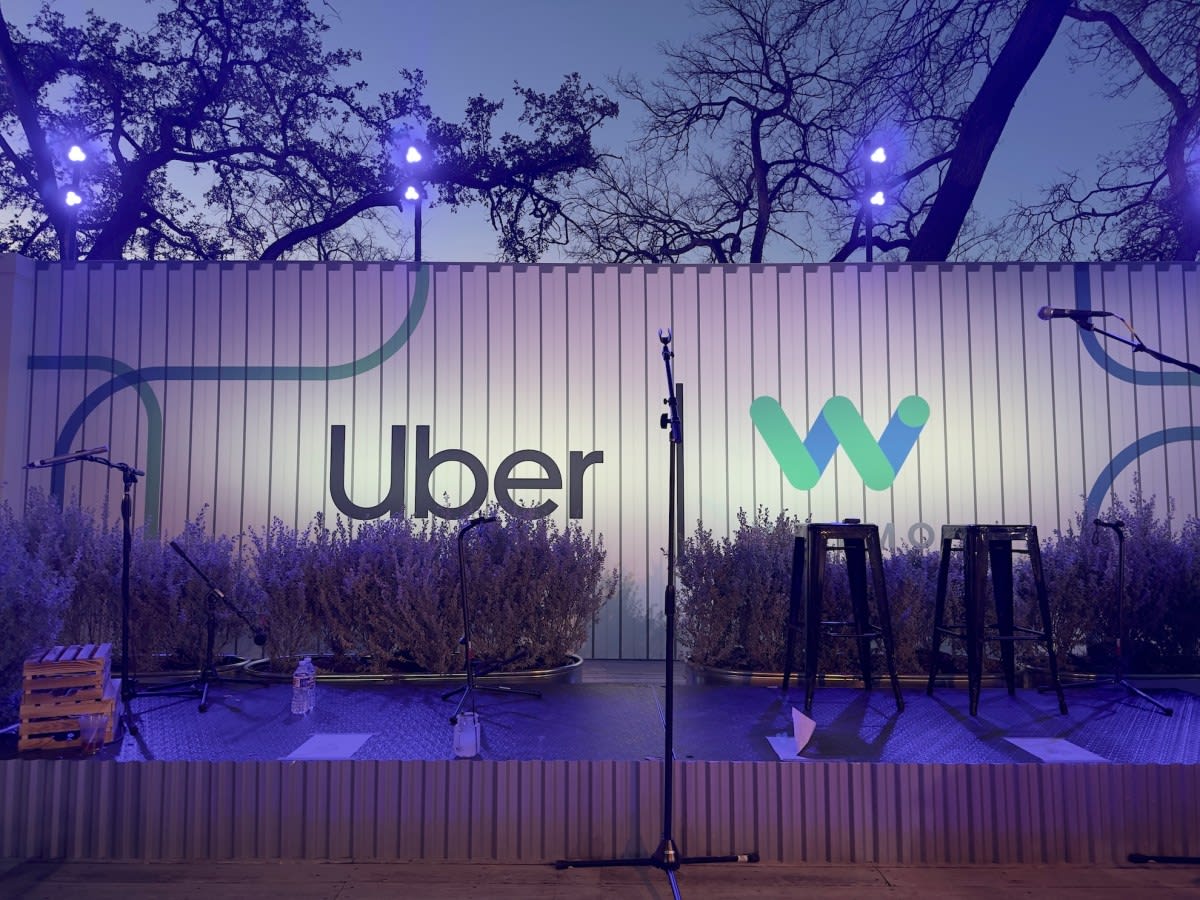
Uber and Waymo are clashing over a proposed bill in the D.C. Council that would allow autonomous vehicles to operate in Washington, D.C. This conflict signals a deteriorating partnership and a shift toward opposing regulatory strategies.
The Regulatory Rift: Uber and Waymo's Clash Over Robotaxi Policy
The landscape of autonomous transportation is shifting from collaborative experimentation to aggressive regulatory competition. Recent reports from TechCrunch Mobility highlight a growing divide between industry giants Uber and Waymo, specifically concerning the legislative framework for robotaxis in Washington, D.C. This friction underscores the tension between the rapid advancement of AI and the legal structures required to govern its deployment in dense urban environments.
A Deteriorating Strategic Alliance
The relationship between Uber and Waymo, once characterized by a level of partnership, is reportedly deteriorating. This shift indicates a transition from a phase where companies shared broad goals of technical feasibility to a phase where they are fighting for market dominance. As both companies pivot toward the commercialization of autonomous vehicles (AVs), their strategic interests have diverged, leading them to take opposing stances on how AV policy should be crafted and implemented.
The Battleground: Washington, D.C.
At the center of this conflict is the D.C. Council, which is currently evaluating a proposed bill that would permit autonomous vehicles to operate within the city. Washington, D.C., serves as a critical testing ground not only because of its urban complexity but because of its political significance. The outcome of this bill will likely set a precedent for how other major American cities approach the integration of AI-driven transportation into existing transit grids.
Divergent Policy Objectives
The sparring between Uber and Waymo behind the scenes suggests a fundamental disagreement over the "rules of the road." The conflict stems from their opposing roles in the mobility ecosystem: Uber operates as a massive platform connecting riders to a variety of transport options, whereas Waymo focuses on developing and operating its own proprietary autonomous fleet. These differing business models naturally lead to conflicting views on regulation, operational permits, and how autonomous services should be integrated into city infrastructure.
Broader Implications for Autonomous Mobility
This clash is a harbinger of a larger trend in the technology sector: the "policy war." As AI moves from controlled testing to public streets, the companies that can most effectively influence legislation will hold a significant competitive advantage. The transition of Uber and Waymo from partners to adversaries reflects the high stakes of the robotaxi market, where the first-mover advantage is heavily dependent on favorable local laws and government approvals.
Conclusion: The Path Forward
In summary, the struggle over the D.C. Council's proposed AV bill is more than a local legislative dispute; it is a proxy war for the future of autonomous mobility. The deteriorating partnership between Uber and Waymo signals a new era of competition where regulatory influence is as critical as the underlying AI technology. The resolution of this conflict in D.C. will provide a blueprint for the global rollout of robotaxis and the legal boundaries of AI transport.