‘Digital hostile environment’: AI secretly being embedded across Home Office, report claims
Source Entity
Diane Taylor
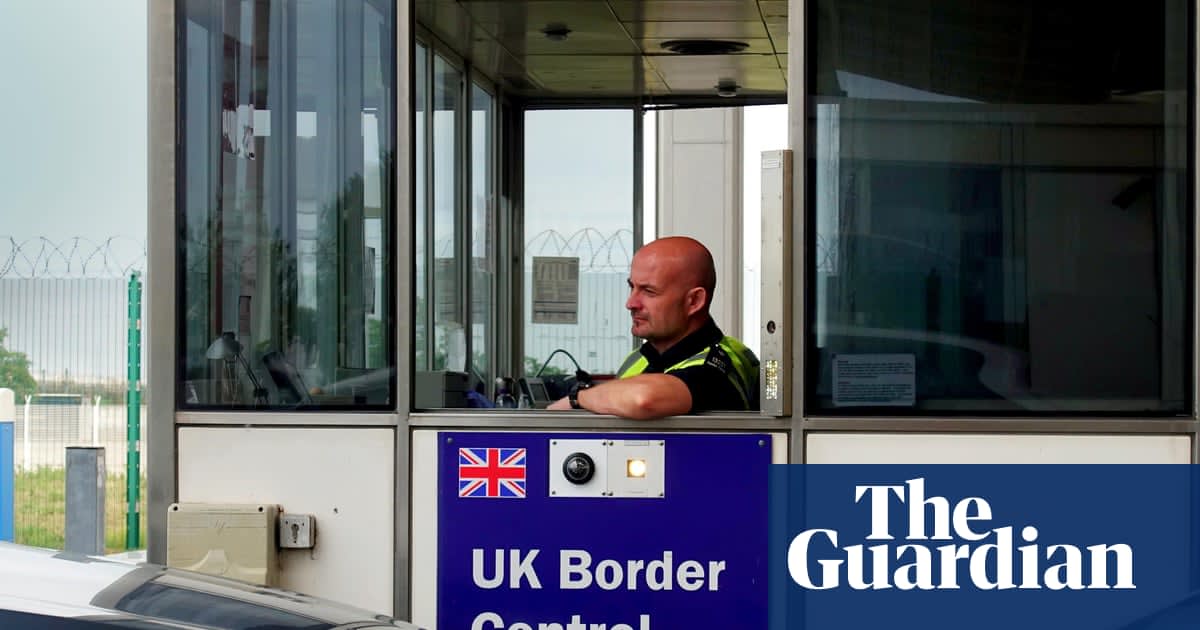
Recent investigations reveal a lack of environmental oversight in UK AI policy development and the secret integration of AI within the Home Office. These findings highlight concerns regarding the 'revolving door' between government and industry and the ethical implications of using AI in immigration surveillance.
The Intersection of Governance, AI Growth, and Transparency
Recent investigations by Spotlight on Corruption and the Open Rights Group have cast a critical spotlight on the UK government’s approach to Artificial Intelligence. The core of the concern lies in a dual-track failure: the exclusion of environmental stakeholders from the development of 'AI growth zones' and the clandestine deployment of AI tools within the Home Office. These reports suggest that the rapid pursuit of AI-driven economic growth has occurred in a policy vacuum, largely divorced from public accountability and environmental scrutiny.
The 'Revolving Door' and Policy Capture
The investigation by Spotlight on Corruption identifies a concerning pattern of movement between the public and private sectors. With 38 ministers, senior civil servants, and special advisers transitioning into roles at AI companies like OpenAI and Anthropic between July 2024 and September 2026, the potential for policy capture is significant. By holding 137 meetings with tech industry representatives while failing to consult a single environmental group, the government has arguably prioritized the interests of industry giants over the ecological costs of massive datacentre expansion.
AI in the Home Office: A Digital Hostile Environment
Parallel to the industrial policy concerns is the quiet integration of AI into the UK’s immigration infrastructure. According to the Open Rights Group, the Home Office has embedded AI across various sensitive functions, from detecting potential sham marriages to determining the age of asylum seekers. This 'digital hostile environment' includes the use of the opaque Identify and Prioritise Immigration Cases (Ipic) tool, which fundamentally alters how human lives are processed by the state without clear public oversight.
Surveillance and Ethical Risks
The technological reach of the Home Office now extends to live facial recognition, AI-powered drones, and satellite-based border surveillance. The use of these tools to summarize asylum interviews and analyze personal data from arrivals’ phones raises profound civil liberty questions. When algorithmic systems are used to judge the veracity of asylum claims or determine legal status, the lack of transparency in how these systems are trained and audited creates a significant risk of systemic bias and error.
Future Trends and Policy Implications
The trajectory of these findings suggests that the UK is entering a period where AI governance will be defined by friction between rapid economic adoption and fundamental human rights. If the government continues to favor industry-heavy consultations while sidelining civil society, it risks creating policies that are ecologically unsustainable and socially damaging. Moving forward, the pressure for legislative reform will likely mount, demanding that AI deployment in public services be subject to strict ethical audits and that economic 'growth zones' be held to the same environmental standards as other major infrastructure projects.
Multiple Citing Sources