Iran's 'sabre-rattling' should not intimidate UK, Wes Streeting says
Source Entity
BBC News
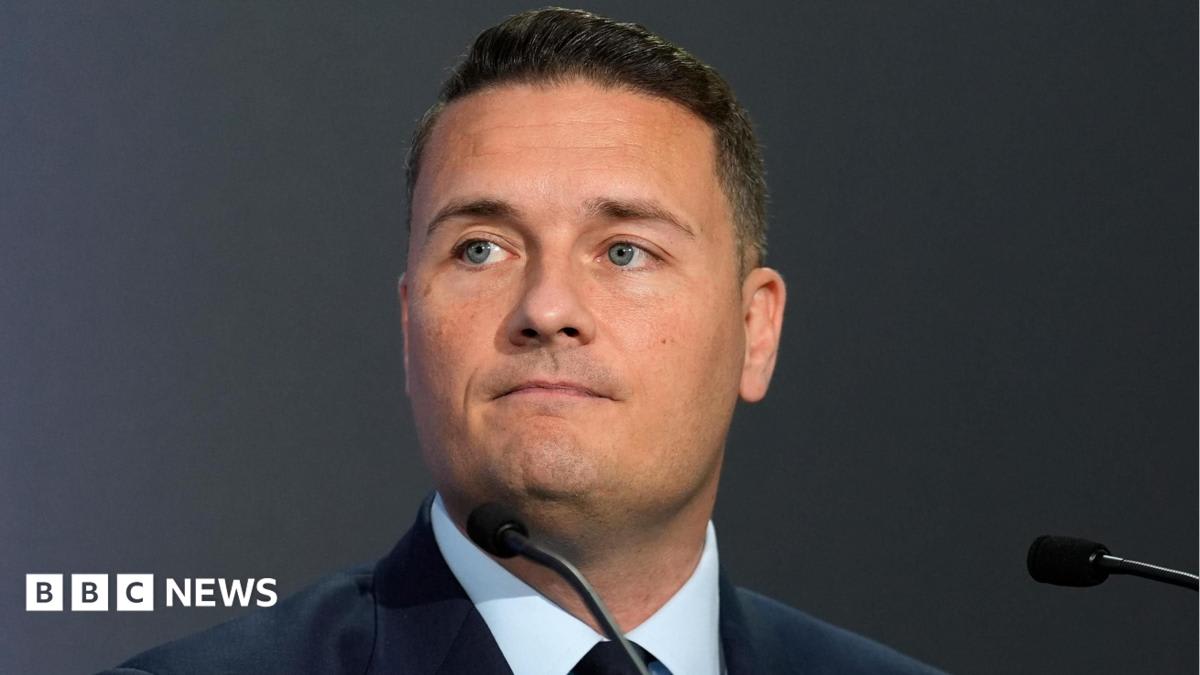
UK Defence Secretary Wes Streeting has dismissed Iranian threats as mere sabre-rattling while affirming the UK's commitment to maritime security. Despite this, the UK maintains its policy of non-participation in US-led offensive military actions against Iran.
UK Stance on Iranian Tensions: A Strategic Overview
Dismissing the Rhetoric
UK Defence Secretary Wes Streeting has publicly dismissed recent aggressive posturing from the Iranian regime, characterizing it as "sabre-rattling" that should not intimidate the United Kingdom. This measured response reflects a broader British strategy aimed at de-escalating tensions while maintaining a firm posture against perceived regional instability. By explicitly advising against putting "too much stock" in Iranian threats, the UK government is attempting to project calm in a volatile geopolitical environment.
The Boundaries of Military Engagement
Central to the current discourse is the clear demarcation of the UK's military role in the region. Streeting reaffirmed that Britain has not joined, and will not join, offensive US military actions directed at Iranian territory. This distinction is critical; it highlights a divergence in strategic policy between London and Washington. While the UK remains a staunch ally, it is signaling a preference for restrained, defensive engagement rather than direct participation in an active conflict against the Iranian state.
Focus on Maritime Security
While offensive operations remain off the table, the UK is doubling down on its commitment to maritime security, particularly within the strategic Strait of Hormuz. Streeting emphasized that the UK and the US are "absolutely aligned" when it comes to securing freedom of navigation and ensuring the safety of commercial shipping. Given that a significant percentage of the world’s oil supply passes through this narrow waterway, this focus is not merely military but essential to global economic stability.
Diplomatic Coordination with the US
Looking forward, the diplomatic landscape is set to evolve as Streeting prepares to meet with US Defence Secretary Pete Hegseth. This upcoming meeting is framed as an opportunity to reconcile differing approaches and explore collaborative frameworks. The act of "kicking around" ideas for alignment suggests that both nations are actively working to synchronize their regional strategies, even where their operational objectives—such as the threshold for offensive action—may differ.
Geopolitical Implications and Future Trends
The tension between Iran and the West remains a delicate balancing act. The UK’s current policy suggests a trend toward "defensive containment." By focusing on maritime security and refusing to engage in land-based offensive strikes, the UK is attempting to protect its national interests without triggering a broader regional war. The success of this strategy will depend on whether the Iranian regime continues to limit its actions to rhetoric or if it escalates its interference with maritime trade, which would force a stronger, albeit likely still defensive, response from the UK and its allies.
Conclusion
In summary, the UK is navigating a complex path that seeks to balance alliance commitments with a prudent avoidance of direct offensive combat. By prioritizing the protection of global trade routes and maintaining open lines of communication with US defense leadership, Britain is aiming to mitigate the risks posed by Iranian posturing. The upcoming high-level dialogues between Streeting and Hegseth will be pivotal in shaping how the West collectively responds to the ongoing challenges in the Middle East.