UK fridges secured from hackers
Source Entity
Hacker News
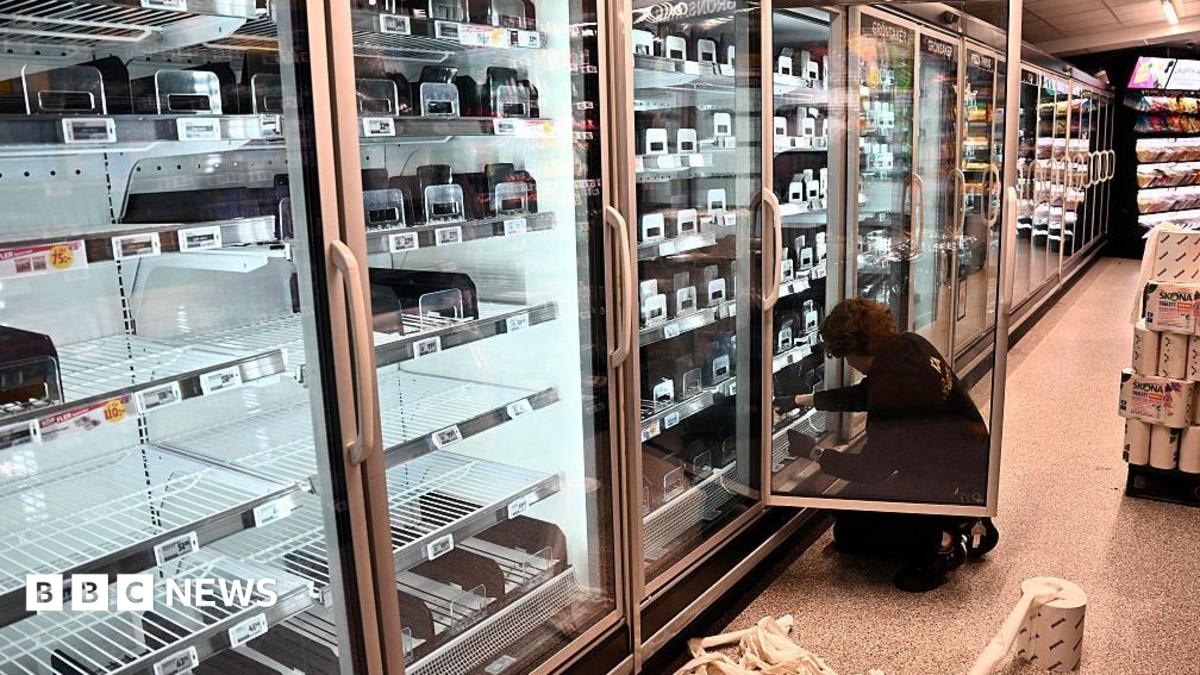
A major cybersecurity operation has successfully patched a critical vulnerability in UK commercial refrigeration systems. This proactive measure prevents potential food spoilage and economic damage seen in recent cyberattacks across Europe.
Securing the Cold Chain: A Critical Cybersecurity Intervention
In a significant behind-the-scenes operation, British cybersecurity experts and industry stakeholders have successfully remediated a critical vulnerability affecting tens of thousands of commercial refrigeration units. These devices, which are essential for maintaining the integrity of the food supply chain in supermarkets, warehouses, restaurants, and high-traffic venues like stadiums and petrol stations, were identified as having a flaw in their operating systems that could have been exploited by malicious actors.
The European Precedent
This intervention comes on the heels of a series of devastating cyberattacks across Europe. Throughout October and November, countries ranging from France to Sweden experienced targeted disruptions to their commercial cooling infrastructure. These attacks did not merely disrupt logistics; they resulted in the spoilage of massive quantities of perishable goods, leading to millions of euros in financial losses. The severity of these incidents underscores the growing trend of threat actors shifting their focus from traditional data theft to the disruption of Critical National Infrastructure (CNI) and essential services.
Geopolitical Tensions and Cyber Warfare
The vulnerability of food distribution networks has become a new frontier in geopolitical friction. France, having been hit by a wave of attacks in October, explicitly blamed Iranian actors for the disruption—a claim that Tehran has categorically denied. This highlights the volatile nature of modern cyber-warfare, where state-sponsored entities are increasingly accused of weaponizing industrial control systems to inflict economic pain and social instability on their adversaries.
The UK's Proactive Defense
While it was initially believed that the UK had avoided these hacks due to the use of different hardware and operating protocols, internal assessments revealed a latent vulnerability that could have been catastrophic if discovered by hackers. Upon identifying this potential opening in late October, the British refrigeration sector initiated a rapid, coordinated response to patch the systems. This proactive approach likely prevented a domestic crisis similar to those experienced by neighboring European nations.
Implications for Industrial IoT
This event serves as a stark reminder of the risks associated with the Industrial Internet of Things (IIoT). As commercial infrastructure becomes increasingly interconnected to improve efficiency and remote monitoring, the attack surface for bad actors expands exponentially. The refrigeration industry's reliance on centralized operating systems means that a single flaw can jeopardize the food safety of an entire nation. The success of this operation emphasizes the necessity of continuous security auditing and rapid patching cycles in sectors traditionally not viewed as primary targets for cyber-espionage.
Future Trends in Infrastructure Security
Looking ahead, it is clear that the protection of the cold chain will remain a priority for national security agencies. As threat actors refine their methods, the industry will likely shift toward more robust, compartmentalized network architectures that prevent a single system failure from cascading into a widespread loss of assets. The collaboration between cybersecurity researchers and private retailers in this instance sets a vital standard for future threat mitigation, highlighting that defensive agility is the most effective weapon against sophisticated cyber-adversaries.