British healthcare worker with Ebola evacuated from DR Congo to UK
Source Entity
Sarah Johnson
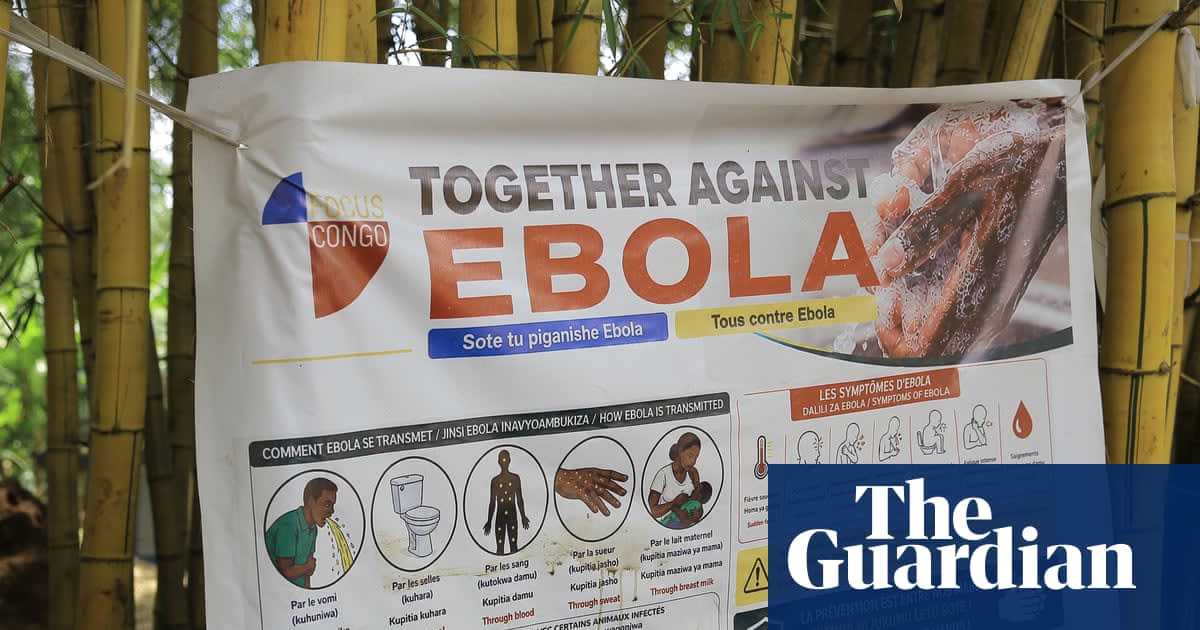
A British healthcare worker has tested positive for Ebola while working in the Democratic Republic of Congo. The patient is being evacuated to the UK for specialized treatment, with officials confirming the risk to the general public remains low.
Medical Evacuation of British Healthcare Worker Following Ebola Diagnosis
The Situation in the DR Congo
The Democratic Republic of the Congo (DRC) has been grappling with a devastating and persistent outbreak of the Ebola virus, a rare but lethal hemorrhagic fever. The scale of this public health crisis is underscored by the tragic toll of more than 5,000 lives lost to the pathogen. The recent confirmation that a British healthcare worker has contracted the virus while operating in this high-risk environment highlights the extreme dangers faced by international volunteers and medical personnel who serve on the front lines of global disease mitigation.
UK Government Response and Protocols
Upon the confirmation of the infection, the UK government acted swiftly to activate established contingency procedures. Officials have emphasized that while the diagnosis is severe for the individual, the risk to the broader British public is assessed as low. This assessment is rooted in the implementation of rigorous isolation and containment protocols designed specifically for high-consequence infectious diseases. By utilizing specialized medical transport and secure isolation units, the UK aims to manage the patient's condition while ensuring that no secondary transmission occurs within the country.
Logistics of Specialized Care
The patient, identified as a healthcare worker deployed by a humanitarian organization, is currently in stable condition. According to official reports, the individual is being evacuated from the DRC to the United Kingdom, with arrival expected shortly. Upon landing, the patient will be transported via a specialized, high-security ambulance directly to a high-consequence infectious disease unit. This transfer process mirrors previous instances where UK residents exposed to Ebola abroad were repatriated, demonstrating a continuity of institutional knowledge regarding global health emergencies.
Contextualizing Ebola and Global Health Risks
Ebola remains one of the world's most feared pathogens due to its high mortality rate and the complexity of providing care in resource-limited settings. The ongoing outbreak in the DRC serves as a stark reminder of the necessity for international cooperation in health security. The role of healthcare workers—who often operate in remote or conflict-affected regions—is critical to controlling the spread, yet it inherently places them at the epicenter of exposure. The UK’s decision to repatriate the worker highlights the ethical commitment to provide advanced medical support to those serving in global humanitarian efforts.
Future Implications and Public Safety
Looking ahead, the management of this case will likely serve as a benchmark for how international health bodies handle the transport of infectious patients. While the public may experience anxiety regarding the arrival of an Ebola patient, the clinical evidence suggests that with modern containment technology and strict adherence to protocols, the threat of domestic transmission is effectively neutralized. The government's transparent communication strategy is aimed at balancing the necessity of medical repatriation with the imperative to maintain public trust and safety, ensuring that the focus remains on the successful recovery of the patient and the continued support of health initiatives in the DRC.