No Sensitive Data Sent To China: UK Defence Ministry On Navy Drone Scare
Source Entity
NDTV News Search Records Found 1000
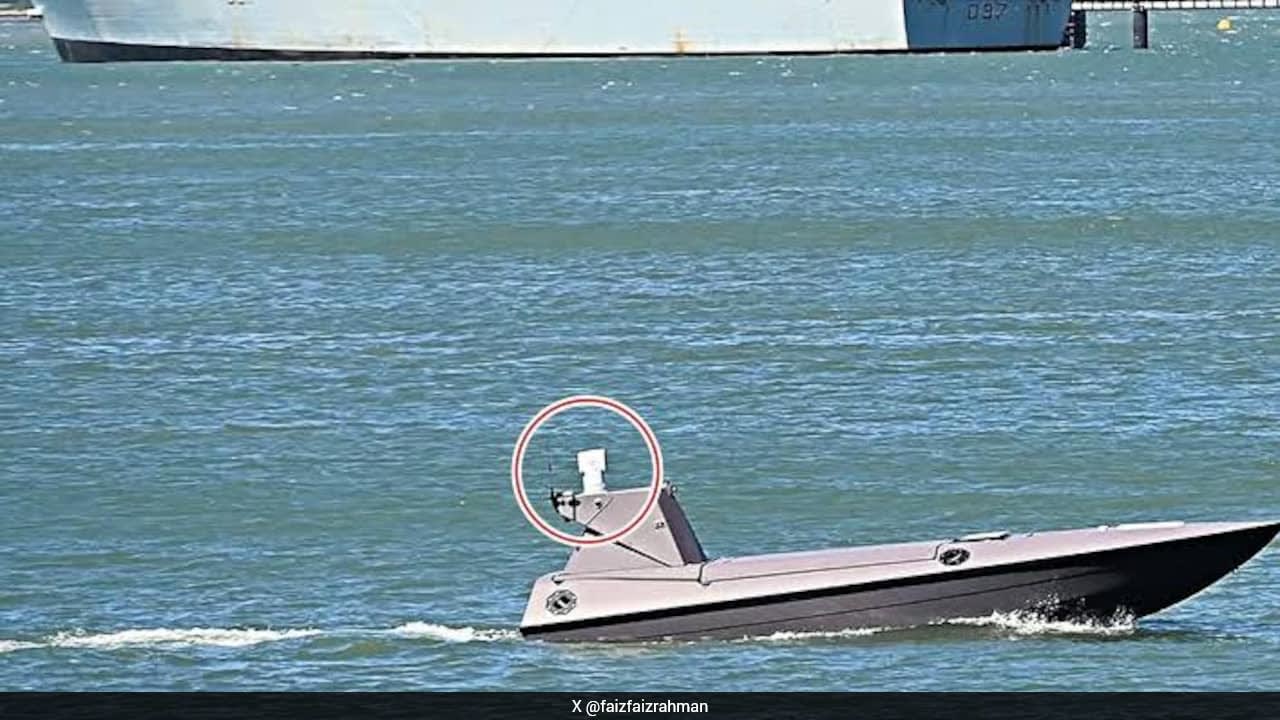
The UK Ministry of Defence has clarified that no sensitive data was transmitted to China following the discovery of Chinese-made components in British naval drones. This incident has sparked a broader review regarding the security risks of foreign technology within national defence supply chains.
Security Breach Concerns in UK Naval Technology
Recent reports regarding the discovery of Chinese-made components within British naval drone equipment have ignited a significant security debate within the United Kingdom. The Ministry of Defence (MoD) has moved quickly to address these concerns, explicitly stating that no sensitive data was compromised or transmitted to China. This assurance is a critical step in maintaining public and parliamentary confidence, as the integration of foreign-sourced technology into critical national infrastructure remains a high-stakes issue for global powers.
The Vulnerability of Global Supply Chains
The presence of Chinese technology in British defence hardware highlights the complex and often opaque nature of modern global supply chains. Defence contractors frequently rely on tiered sub-suppliers to source minor electronic components, which can lead to situations where non-allied technology is inadvertently embedded into sensitive military assets. This incident serves as a stark reminder of the risks associated with hardware provenance and the difficulty of maintaining complete visibility over every micro-component in sophisticated naval systems.
Strategic Implications and National Security
Beyond the immediate technical verification, this event underscores the geopolitical friction between the UK and China. As nations increasingly view technology as a vector for espionage and strategic advantage, the threshold for what constitutes a 'secure' component has shifted. The Ministry of Defence's investigation is not merely a technical audit; it is a strategic necessity to ensure that British military autonomy is not compromised by foreign hardware that could potentially serve as a 'backdoor' for data exfiltration or system disruption.
Regulatory Responses and Future Procurement
In the wake of this discovery, it is highly probable that the UK government will tighten procurement regulations. Future defence contracts will likely require more rigorous 'buy-national' mandates or stricter vetting processes for electronic components sourced from high-risk jurisdictions. By shifting toward more transparent and secure supply chains, the UK aims to insulate its naval capabilities from the risks of technological entanglement with geopolitical rivals.
Long-Term Outlook on Defence Autonomy
The incident acts as a catalyst for a broader shift in Western defence policy: the pursuit of technological sovereignty. As the UK continues to modernize its naval fleet, the focus will increasingly shift toward domestic production and the diversification of supply chains to include only trusted partners. While the immediate crisis regarding data transmission has been averted, the underlying challenge of securing the 'Internet of Military Things' will remain a defining theme of 21st-century national security strategy.
Verification Required?