Britain won't tolerate threats on our soil, Miliband says as he summons Iran ambassador
Source Entity
BBC News
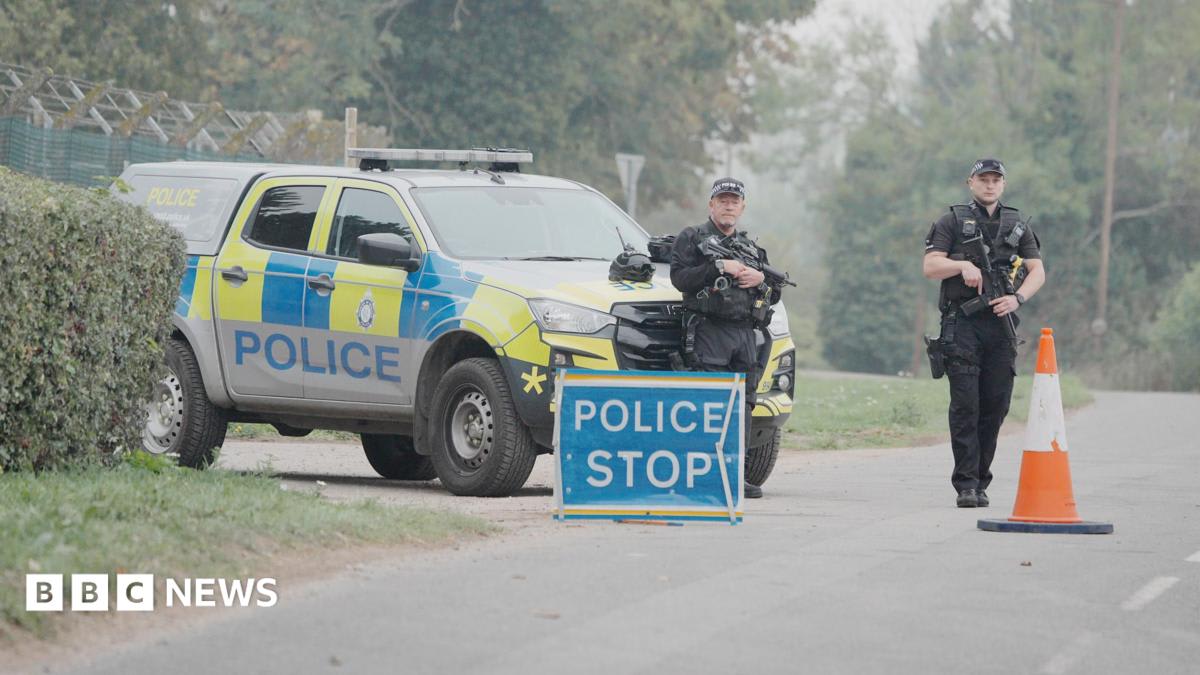
The UK government has summoned the Iranian ambassador following an incident at RAF Fairford, which Prime Minister Andy Burnham attributes to the Islamic Revolutionary Guard. Britain has responded by imposing sanctions on key Iranian officials and warning of further consequences for state-backed malign activity.
Diplomatic Tensions Escalate Over RAF Fairford Incident
The recent diplomatic escalation between the United Kingdom and Iran marks a significant hardening of British foreign policy regarding state-sponsored threats on domestic soil. Foreign Secretary Ed Miliband’s decision to summon the Iranian ambassador serves as a formal, high-level protest against what the British government identifies as a targeted security breach. This action underscores a growing consensus within Whitehall that Iran’s use of criminal networks and proxy groups has crossed a critical threshold, moving from regional geopolitical maneuvering to direct interference within the United Kingdom.
The Attribution of the RAF Fairford Incident
Prime Minister Andy Burnham’s explicit statement that the incident at RAF Fairford was "almost certainly directed" by Iran’s Islamic Revolutionary Guard (IRGC) represents a rare and pointed public attribution. By naming the IRGC—the branch of the Iranian Armed Forces responsible for intelligence and extraterritorial operations—the UK government is signaling a shift toward greater transparency regarding the nature of the threat. RAF Fairford, a key facility often used by the Royal Air Force and international partners, is a sensitive military site, making any security breach a matter of national security priority rather than a mere diplomatic spat.
Targeted Sanctions and Policy Shifts
In tandem with the diplomatic summons, the Foreign Office has enacted concrete punitive measures by sanctioning two high-ranking Iranian officials, including the head of the regime’s counterespionage operations. These sanctions, which include travel bans and asset freezes, are designed to impose individual costs on those responsible for coordinating malign activity. This strategy reflects a broader European trend of utilizing targeted financial and travel restrictions to pressure foreign intelligence apparatuses without necessarily severing diplomatic ties entirely.
Examining the Pattern of 'Malign Activity'
Ed Miliband’s remarks highlight a persistent concern regarding Iran’s "continued attempts" to undermine UK security. This language suggests that the RAF Fairford incident is viewed not as an isolated event, but as part of a wider pattern of state-backed activity. The British government’s focus on "criminal networks and proxy groups" indicates that the threat landscape has evolved, requiring the UK to monitor not only traditional state actors but also the decentralized, clandestine networks they employ to maintain plausible deniability.
Future Implications and Potential Escalation
Looking forward, Prime Minister Burnham’s warning of potential further sanctions signals that the UK is prepared to increase the economic and diplomatic pressure on Tehran. If Iran continues to leverage its proxy networks against British interests, the UK may look to coordinate with international allies to implement a more robust sanctions regime. The situation remains fluid, as the government balances the need for a strong deterrent against the risk of further destabilizing an already fragile diplomatic relationship with the Iranian regime.