UnitedHealth blows past estimates, hikes earnings outlook as it reins in costs
Source Entity
US Top News and Analysis
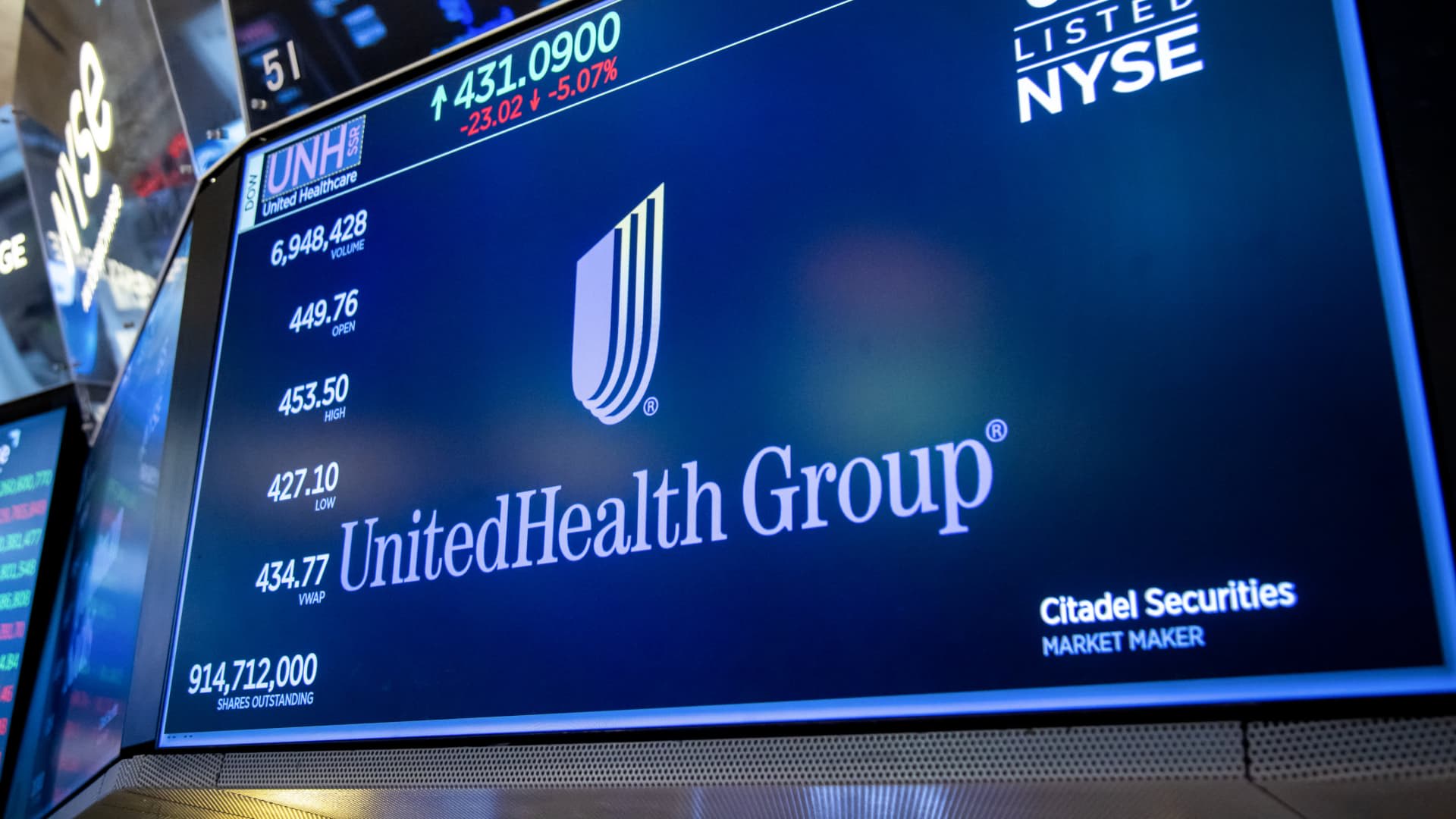
UnitedHealth Group has exceeded financial expectations and raised its earnings outlook by pivoting toward a strategy of margin stabilization. This involves selectively shrinking its membership base, exiting unprofitable contracts, and investing $1.5 billion into AI to drive operational efficiency.
Strategic Pivot: UnitedHealth's Shift Toward Margin Stabilization
UnitedHealth Group has signaled a significant shift in its corporate strategy, moving away from aggressive volume-based growth toward a model centered on profitability and operational efficiency. By blowing past analyst estimates and hiking its earnings outlook, the healthcare giant has demonstrated that its current approach to cost containment is yielding immediate financial results. This transition is particularly noteworthy given the volatile nature of the healthcare sector, where rising medical costs often erode the margins of the largest insurers.
The Paradox of Strategic Shrinking
One of the most striking elements of UnitedHealth's current strategy is the decision to deliberately shrink its membership. In the insurance industry, growth is typically measured by the number of covered lives; however, UnitedHealth is prioritizing the quality of those lives over the quantity. By shedding low-margin segments or high-risk populations that are not adequately reimbursed, the company is effectively pruning its portfolio to protect its bottom line. This suggests a sophisticated shift toward value-based care, where the focus is on managing health outcomes profitably rather than simply expanding market share.
Contractual Pruning and Risk Management
Parallel to membership adjustments, the company is aggressively exiting unprofitable contracts. This indicates a rigorous internal audit of its partnership agreements and government contracts, likely identifying areas where the cost of care delivery has outpaced the premiums or subsidies received. By walking away from these loss-leading arrangements, UnitedHealth is reducing its exposure to systemic medical inflation. This disciplined approach to contract management allows the company to reallocate resources toward more sustainable and lucrative service lines, ensuring a more stable trajectory for long-term earnings.
The $1.5 Billion AI Bet: Engineering Efficiency
At the core of UnitedHealth's future growth is a massive $1.5 billion investment in Artificial Intelligence. This is not merely a trend-following expenditure but a calculated move to fundamentally alter the cost structure of healthcare administration. AI is expected to be deployed in claims processing, fraud detection, and predictive analytics to identify high-risk patients before they require expensive emergency interventions. By automating the bureaucratic overhead that plagues the US healthcare system, UnitedHealth aims to lower its Medical Loss Ratio (MLR), thereby increasing the percentage of premiums that can be retained as profit.
Broader Market Implications and Future Trends
UnitedHealth's current trajectory serves as a bellwether for the broader healthcare industry. As medical costs continue to climb, other insurers will likely follow this blueprint of "selective contraction" and heavy tech investment. We can expect a trend where healthcare giants transition into tech-enabled health managers rather than simple insurance providers. The integration of AI into the core of the business model suggests that the next era of competition in healthcare will be won not by who has the most members, but by who possesses the most efficient data-driven infrastructure to manage them.
Conclusion
In summary, UnitedHealth's ability to beat estimates while simultaneously raising its outlook is a testament to the efficacy of its margin-stabilization strategy. Through the combination of membership pruning, the termination of unprofitable contracts, and a bold investment in AI, the company is insulating itself against the inherent instabilities of the healthcare market. This strategic realignment positions UnitedHealth not just as a dominant insurer, but as a lean, tech-forward entity capable of maintaining profitability in an increasingly expensive medical landscape.