Inspired by Yogi's 'bulldozer model', UP groom's JCB baraat rolls into bride's village
Source Entity
PATHIKRIT CHAKRABORTY
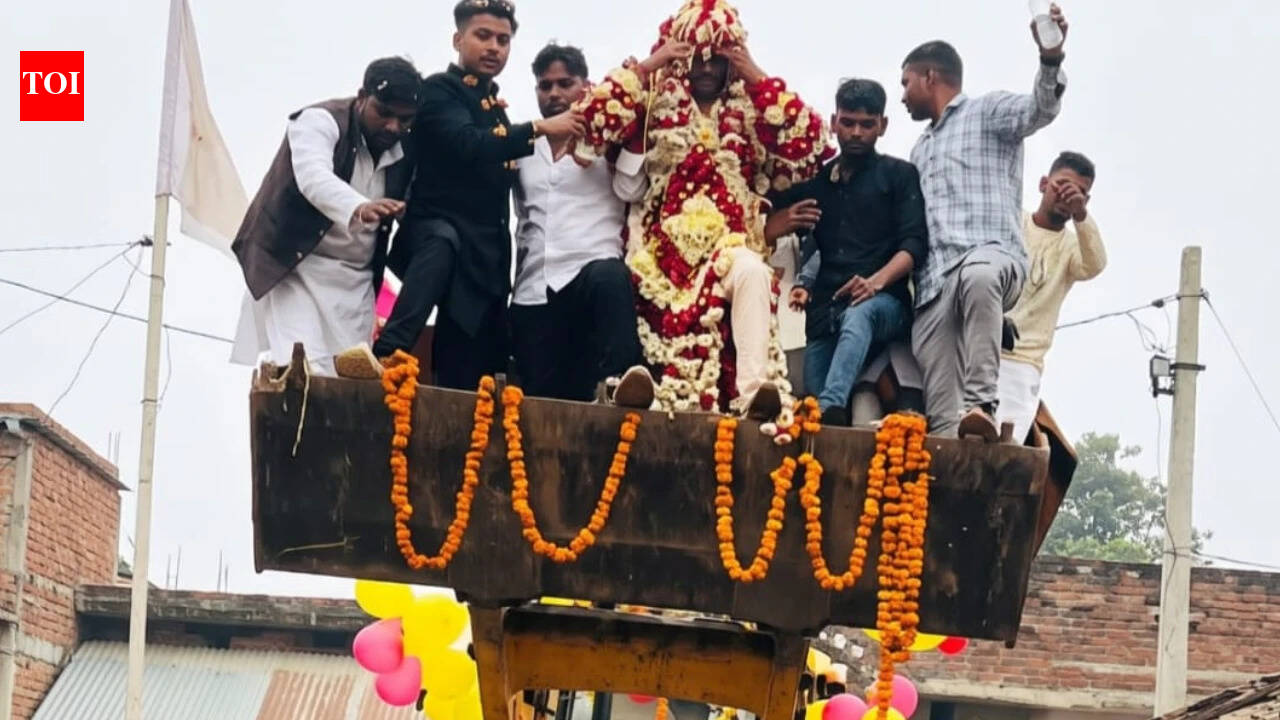
A groom in Bahraich, Uttar Pradesh, gained attention by choosing a JCB excavator for his wedding procession. He cited inspiration from Chief Minister Yogi Adityanath's 'bulldozer model' as the motivation behind his unconventional choice.
The Intersection of Political Symbolism and Personal Celebration
In a striking display of how political iconography permeates local culture in Uttar Pradesh, a groom named Abdul Kalam recently made headlines in Bahraich’s Arakapur village. Eschewing traditional wedding transport such as luxury cars or the customary horse, Kalam opted for a JCB excavator to lead his baraat. This event serves as a microcosm of the evolving socio-political landscape in the region, where the imagery associated with state governance has transcended official policy to become a personal statement for citizens.
The 'Bulldozer Model' as a Cultural Signifier
The choice of a JCB, or bulldozer, is deeply rooted in the political branding of Chief Minister Yogi Adityanath. Often referred to as the 'bulldozer model' by supporters and critics alike, the term originated from the state government's use of heavy machinery to demolish illegal structures belonging to criminals and gangsters. Over time, the bulldozer has been transformed from a tool of urban planning and law enforcement into a potent political symbol representing decisive action and governance style within Uttar Pradesh.
Challenging Traditional Wedding Norms
Wedding processions in rural India are typically steeped in tradition, often emphasizing displays of wealth or cultural heritage. By rejecting conventional options, Kalam’s decision to utilize industrial machinery highlights a shift toward performative expressions that align with individual political allegiances. Despite pressure from his peers to select more traditional vehicles, Kalam’s commitment to the JCB underscores the depth of his conviction, turning a personal milestone into a public demonstration of his support for the current administration.
Community Reaction and Public Spectacle
The arrival of the JCB in Arakapur village drew significant crowds, illustrating the power of spectacle in local social life. The sight of a groom atop a construction vehicle serves as a narrative bridge between everyday life and the high-stakes world of state politics. For the villagers of Bahraich, this was not merely a wedding; it was a visible manifestation of the political currents currently shaping their environment, sparking conversations about the influence of political branding on private life.
Broader Implications and Future Trends
This incident suggests that political symbolism in India is increasingly becoming integrated into the personal identities of the electorate. As political figures continue to cultivate distinct, easily recognizable symbols, we can expect to see more instances where these icons are adopted by the public in unconventional ways. Whether this trend reflects a genuine shift in political engagement or a growing trend of performative politics, it undeniably marks a new chapter in how governance is perceived and celebrated at the grassroots level.
Conclusion
The 'JCB baraat' in Bahraich stands as a unique case study in modern Indian political culture. By adopting the 'bulldozer model' for his wedding, Abdul Kalam has demonstrated how state-level political narratives can successfully infiltrate local traditions. As the lines between personal celebration and political expression continue to blur, such events provide valuable insight into the enduring influence of political iconography in the daily lives of citizens.