Voter rolls manipulation allegation: UP CEO urges SP secy general to give details
Source Entity
Latest News: Todays Latest News Headlines from India & World | Hindustan Times
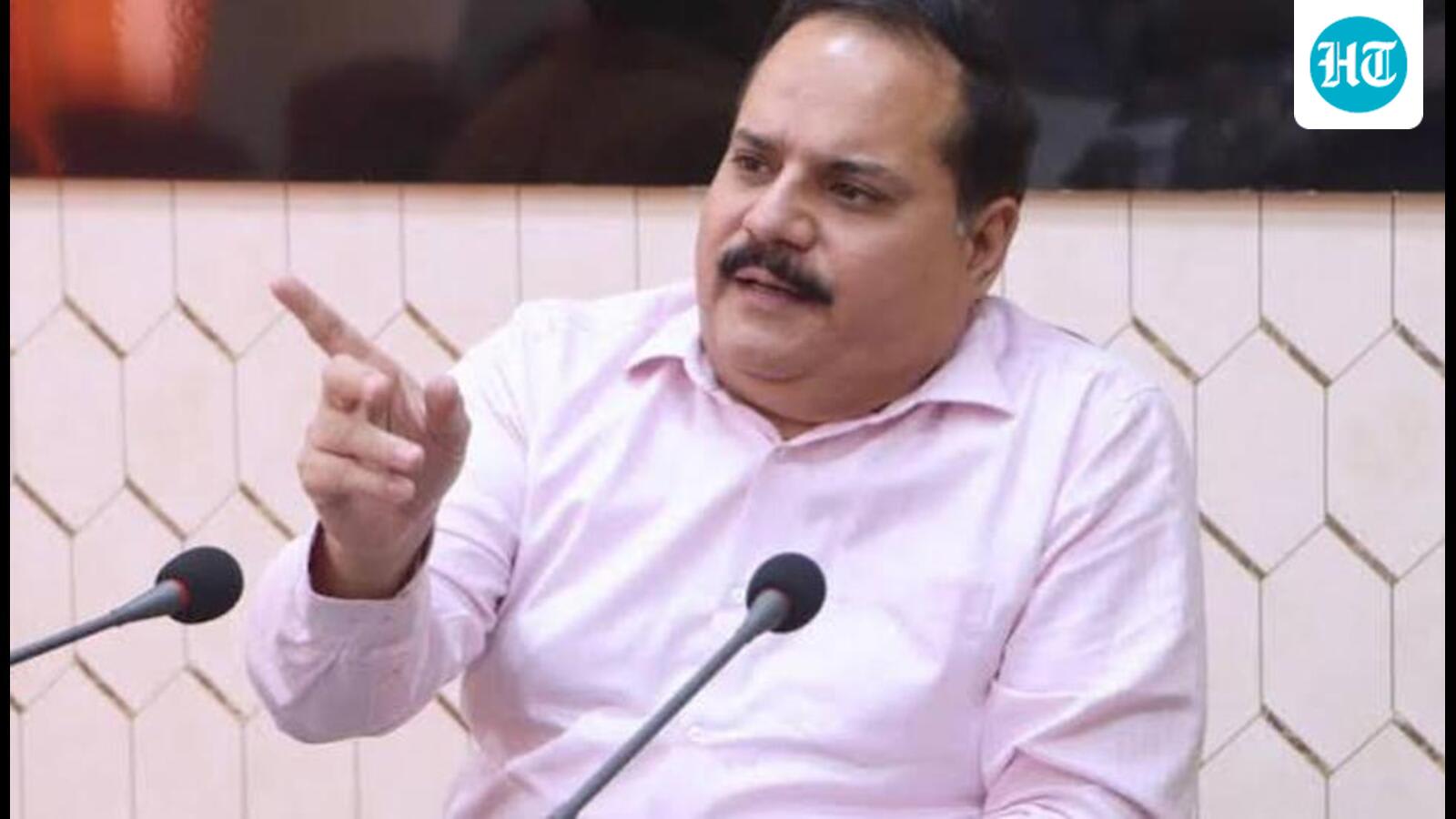
UP CEO Navdeep Rinwa has requested evidence from SP leader Ram Gopal Yadav regarding allegations that SDMs are sharing election portal credentials with BJP workers. The Election Commission has committed to investigating any specific instances of voter roll manipulation if provided with concrete details.
Allegations of Electoral Credential Misuse in Uttar Pradesh
A significant political controversy has emerged in Uttar Pradesh following serious allegations leveled by Samajwadi Party (SP) secretary general and Rajya Sabha MP, Ram Gopal Yadav. Yadav has publicly claimed that the administrative machinery, specifically the appointment of Sub-Divisional Magistrates (SDMs), is being compromised to favor the ruling Bharatiya Janata Party (BJP). According to the allegations, only officers willing to surrender their official IDs and passwords to BJP-affiliated workers are being assigned to strategic posts, effectively granting political actors unauthorized access to voter registration systems.
The Election Commission’s Formal Response
In response to these claims, Uttar Pradesh Chief Electoral Officer (CEO) Navdeep Rinwa has taken a proactive stance. By formally urging Ram Gopal Yadav to provide specific details or file a structured complaint, the CEO is attempting to move the discourse from political rhetoric to verifiable administrative inquiry. Rinwa has explicitly stated that if the SP can identify even a single assembly constituency where such irregularities are occurring, the Election Commission (EC) will launch a thorough investigation and initiate disciplinary action against any errant officials found to be compromising the integrity of the voter rolls.
Implications for Electoral Integrity
The security of voter registration portals is a cornerstone of democratic legitimacy in India. These portals house sensitive data used to maintain the accuracy of electoral rolls, which form the basis for every democratic mandate. If, as alleged, administrative officers are delegating their technical access to political workers, it would represent a severe breach of the Model Code of Conduct and the guidelines set forth by the Election Commission of India. Such actions could theoretically allow for the illicit deletion or addition of names, thereby skewing the demographics of a constituency before a single vote is cast.
Administrative Accountability and Oversight
This incident highlights the ongoing tension between political opposition parties and the state administrative apparatus in Uttar Pradesh. The role of SDMs is critical, as they often oversee the final verification of voter lists and manage the logistics of polling day. The CEO’s demand for evidence serves as a critical check, forcing the opposition to substantiate their claims while simultaneously asserting the EC’s commitment to impartial oversight. It reinforces the principle that complaints of systemic bias must be backed by evidence to trigger the necessary legal and administrative mechanisms.
Future Trends and Transparency
Looking ahead, this exchange underscores the necessity for heightened digital security in election management. As electoral processes become increasingly digitized, the protection of credentials and the audit trails associated with user logins will become the primary battleground for election integrity. Whether this investigation proceeds or remains a matter of political sparring, it serves as a reminder to the Election Commission that constant vigilance against the 'politicization of the bureaucracy' is essential for maintaining public trust in the democratic process.
Conclusive Summary
The standoff between the Samajwadi Party and the UP CEO remains a pivotal moment in state politics. While the allegations are grave, the resolution depends on the transition from broad accusations to specific, actionable data. The Election Commission’s insistence on investigation provides a pathway for accountability, ensuring that the integrity of the voter rolls—and by extension, the electoral outcome—remains protected from potential partisan influence.
Verification Required?