UPS beats quarterly expectations, raises full-year guidance again
Source Entity
US Top News and Analysis
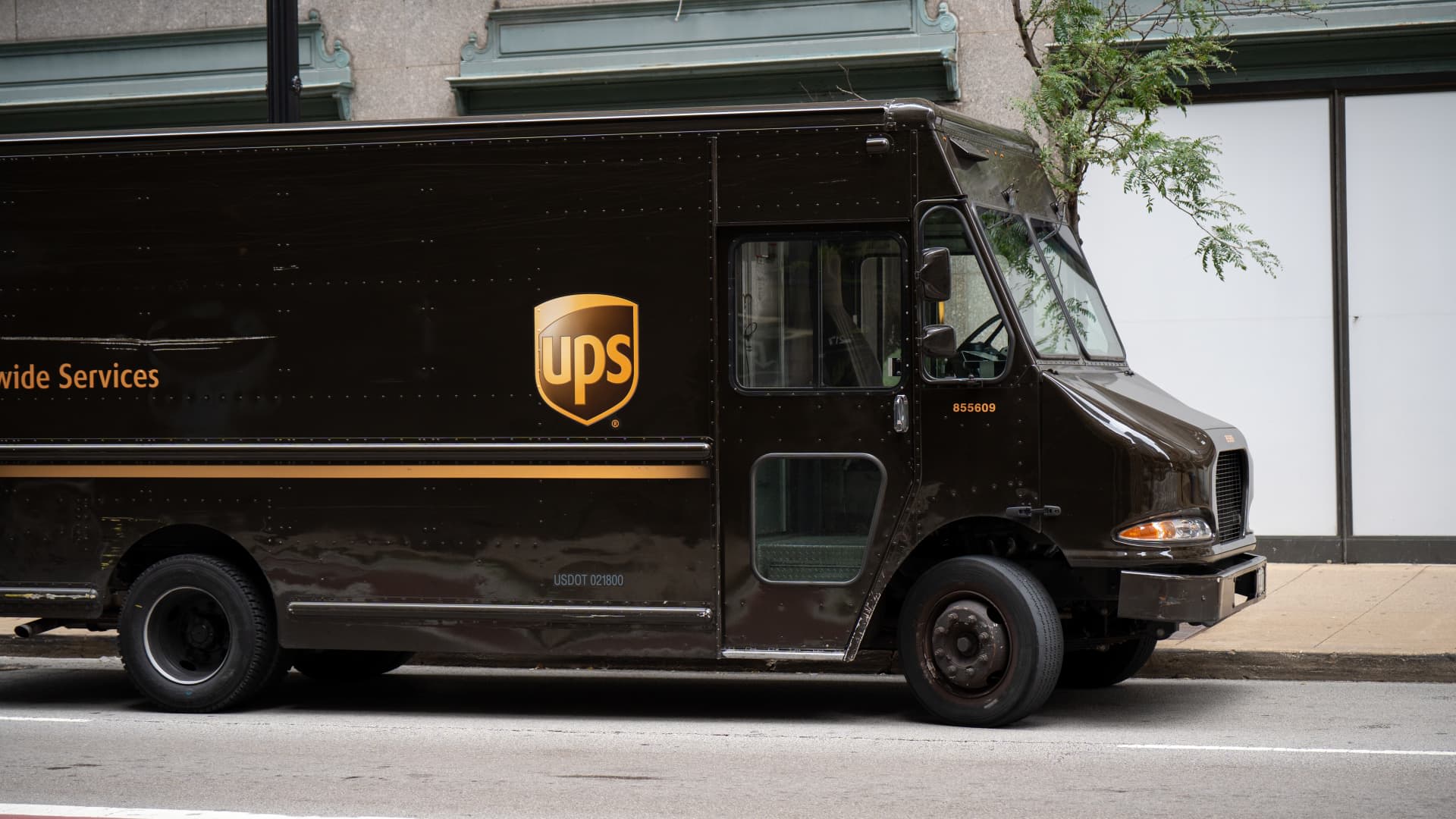
UPS outperformed third-quarter expectations, reporting $1.69 EPS and raising its full-year revenue forecast to $92.6 billion. This growth reflects a broader trend of resilient consumer spending despite persistent inflationary pressures and rising fuel costs.
UPS Demonstrates Operational Resilience Amid Economic Headwinds
United Parcel Service (UPS) has delivered a robust third-quarter performance, effectively surpassing Wall Street expectations and signaling a positive trajectory for the remainder of the fiscal year. By reporting an adjusted earnings per share (EPS) of $1.69—outperforming the anticipated $1.63—and generating $22.9 billion in revenue against a projected $22.29 billion, the logistics giant has underscored its ability to navigate a complex macroeconomic environment. This success has prompted the company to raise its full-year consolidated revenue guidance to approximately $92.6 billion, marking the second consecutive quarter of upward revisions.
The Resilience of the U.S. Consumer
The performance of UPS serves as a critical bellwether for the broader U.S. economy. As various major corporations, including Royal Caribbean and Coca-Cola, continue to report steady consumer demand, the term "resilient" has become a defining theme of the current earnings season. Despite the persistent burden of high inflation and the psychological weight of elevated borrowing costs, American consumers have maintained a consistent level of spending. This behavior suggests that demand for logistics and delivery services remains insulated from the immediate pressures that many economists feared would trigger a sharp pullback.
Navigating Energy Volatility and Geopolitical Risks
UPS’s operational success is particularly noteworthy given the volatile energy landscape. With diesel fuel prices reaching record highs of $6.52 per gallon in September, the logistics sector faced significant margin pressure. Historically, spikes in fuel costs act as a direct tax on delivery companies, yet UPS has managed to mitigate these impacts while maintaining service levels. Furthermore, the company has operated against a backdrop of global uncertainty, specifically the heightened tensions between the U.S. and Iran, which typically exacerbate energy market volatility and supply chain anxieties.
Strategic Implications for Logistics
The decision to raise full-year guidance to $92.6 billion reflects a strategic confidence in the company's fourth-quarter outlook, which is projected to reach $25.7 billion. This forecast is a testament to the company's ability to price services effectively and manage internal costs even when external inputs like fuel fluctuate wildly. As the primary artery for e-commerce and retail distribution, UPS’s ability to sustain growth provides a stabilizing narrative for investors who are otherwise wary of the inflationary pressures currently gripping the retail sector.
Future Trends and Outlook
Looking ahead, the logistics sector will likely continue to face a tug-of-war between consumer resilience and the rising cost of operations. If the U.S. consumer continues to prioritize spending despite high interest rates, companies like UPS are well-positioned to capitalize on the volume. However, the reliance on stable fuel costs and geopolitical calm remains a significant variable. The market's positive, albeit slight, reaction in premarket trading suggests that shareholders are encouraged by the company's ability to maintain profitability in an environment characterized by both high demand and high operational costs.
Conclusion
In summary, UPS has successfully navigated the challenges of the third quarter by leveraging its scale and operational efficiency. By exceeding both revenue and earnings targets, the company has provided a clear signal that the underlying mechanics of the U.S. economy remain functional. As we approach the end of the year, the focus will shift to whether this "resilient" consumer spending can sustain itself through the holiday season, or if the cumulative effect of inflationary pressures will finally begin to dampen growth.
Multiple Citing Sources