UPSC Prelims 2027 Polity Quiz (Week 172): MCQs on Prevention of Insults to National Honour (Amendment) Bill, 2026, Autonomous District Councils and more
Source Entity
Nitendra Pal Singh
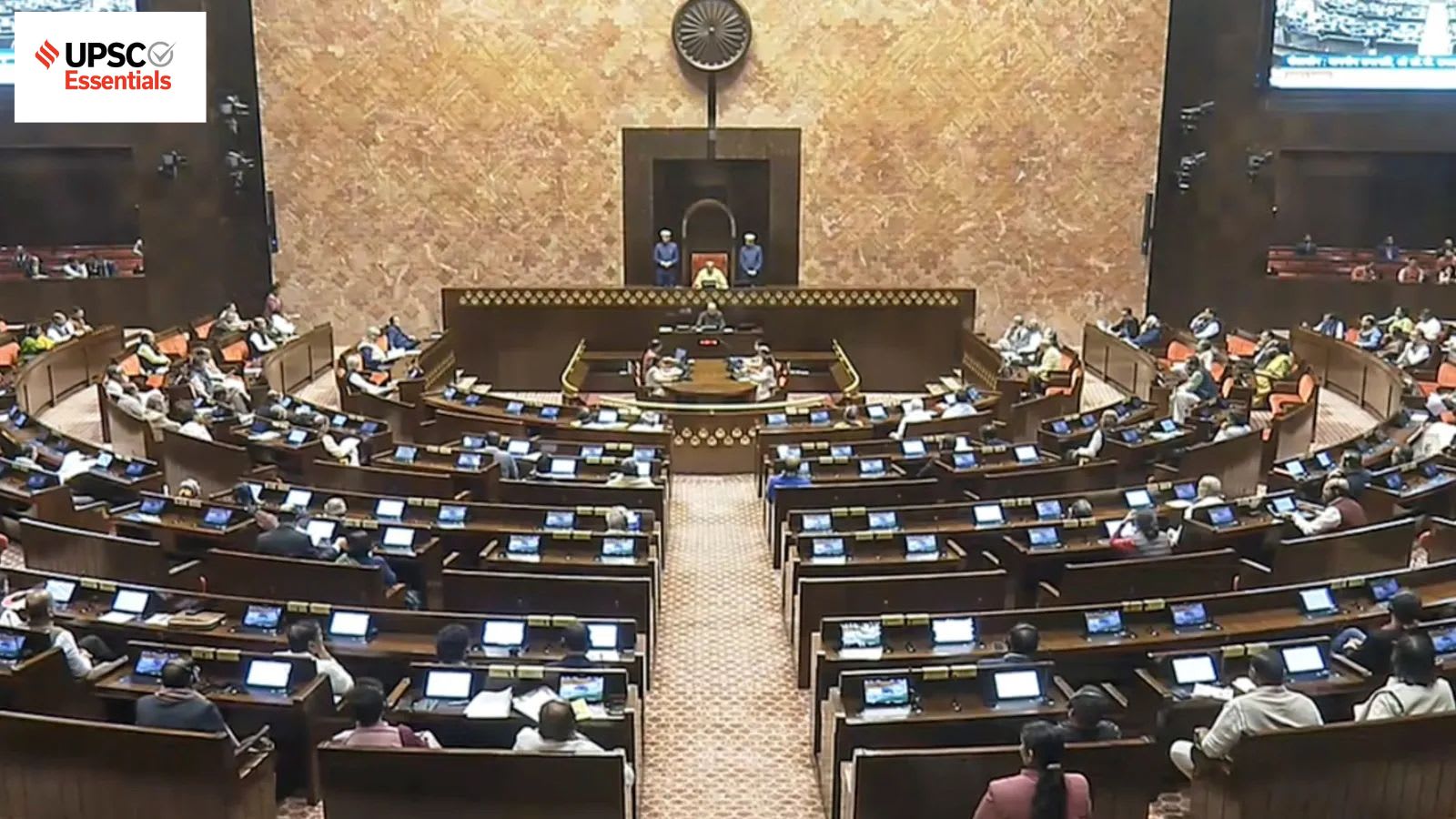
The Indian Express has released a UPSC-focused quiz covering legislative updates like the Prevention of Insults to National Honour (Amendment) Bill, 2026. This resource aims to assist civil services aspirants in revising constitutional and governance-related static syllabus topics.
Preparing for the Future: Analyzing the UPSC 2027 Polity Quiz
The UPSC Essentials initiative, as highlighted by the recent publication of the Week 172 Polity and Governance quiz, serves as a critical bridge for civil services aspirants navigating the complex landscape of Indian polity. By focusing on contemporary legislative developments like the Prevention of Insults to National Honour (Amendment) Bill, 2026, the platform ensures that candidates stay aligned with the evolving legal framework of the nation while grounding their preparation in the static components of the syllabus.
Understanding the Legislative Context
The inclusion of the Prevention of Insults to National Honour (Amendment) Bill, 2026, in the current quiz cycle underscores the importance of monitoring legislative amendments. This bill seeks to refine the existing Prevention of Insults to National Honour Act, 1971, a foundational piece of legislation designed to protect the sanctity of national symbols. For aspirants, understanding the nuances of such amendments is not merely about rote memorization but about comprehending the legislative intent behind strengthening protections for national symbols, such as the national anthem.
The Role of Autonomous District Councils
Beyond the specific amendment bill, the quiz also touches upon the governance of Autonomous District Councils (ADCs). These entities, established under the Sixth Schedule of the Constitution, represent a unique model of decentralized governance in India. By testing knowledge on ADCs, the quiz forces students to synthesize their understanding of federalism, tribal rights, and administrative autonomy, which are recurring themes in the UPSC Mains and Prelims examinations.
Strategic Importance of Daily Quizzes
Daily subject-wise quizzes have become an indispensable tool for aspirants aiming to maintain consistency. In a competitive examination where the syllabus is vast, these targeted exercises help in identifying knowledge gaps. The focus on 'static' parts of the syllabus—such as constitutional provisions—while integrating 'dynamic' current affairs, mirrors the actual structure of the UPSC Prelims, which frequently tests the application of constitutional articles to real-world legislative scenarios.
Long-term Implications for Aspirants
As the 2027 examination cycle approaches, the systematic revision of topics like the 2026 amendments prepares students to handle high-level conceptual questions. The transition from understanding the 1971 Act to the 2026 Amendment reflects the dynamic nature of Indian law. Engaging with these resources allows students to develop the analytical rigor necessary to navigate not only the examination but also their future roles in public administration.
Conclusion
In conclusion, the UPSC Essentials weekly quiz initiative acts as a vital compass for aspirants. By blending historical legal frameworks with the latest legislative updates, the platform encourages a holistic approach to learning. Candidates who consistently engage with such material are better equipped to handle the multifaceted nature of the UPSC examination, ensuring they are well-versed in both the spirit and the letter of the law.