Does Buying A Car In A City Still Make Financial Sense? Here's The Math
Source Entity
NDTV News Search Records Found 1000
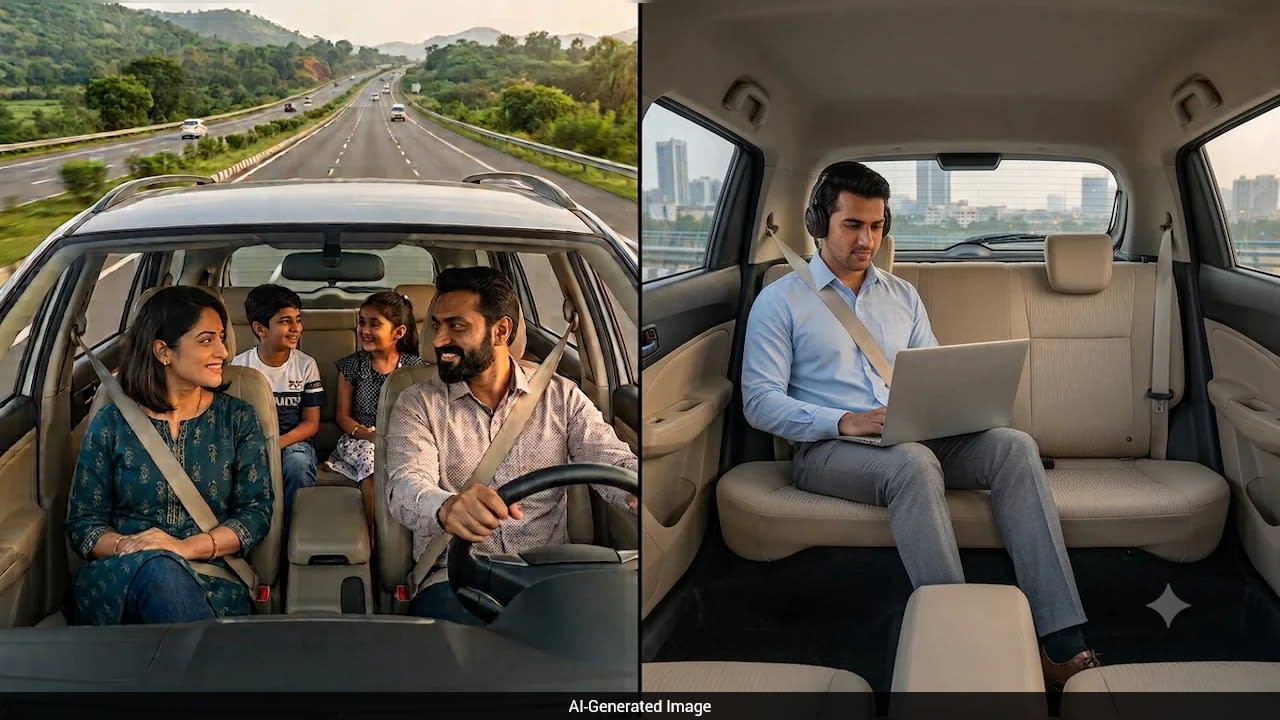
The traditional financial model of urban car ownership is undergoing a significant shift for modern professionals. Rising costs and alternative transportation options are forcing a reevaluation of the value proposition of owning a personal vehicle.
The Shifting Economics of Urban Mobility
For decades, the personal automobile served as the ultimate symbol of independence and professional status. However, the contemporary urban landscape is forcing a profound reassessment of these long-held beliefs. As urban density increases and the cost of living in metropolitan hubs continues to climb, the financial calculus behind maintaining a personal vehicle is becoming increasingly unfavorable for many professionals.
The Hidden Costs of Ownership
When evaluating the true cost of car ownership, many prospective buyers focus solely on the monthly installment. This narrow perspective often obscures a complex web of recurring expenses that erode personal capital. Beyond the initial purchase price, owners must account for the compounding impact of comprehensive insurance premiums, routine maintenance, unpredictable repair costs, and the inevitable depreciation of the asset the moment it leaves the dealership lot.
The Impact of Urban Infrastructure
In major city centers, the financial burden is compounded by the scarcity and high cost of parking. Whether it is a monthly garage fee or the cumulative cost of street parking, these expenses act as a 'hidden tax' on vehicle owners. Furthermore, urban congestion often renders the convenience of a personal car moot, as the time lost in traffic represents a non-recoverable economic cost that must be factored into the professional's daily budget.
The Rise of Alternative Transportation
As the economic viability of private vehicle ownership wanes, the rise of the 'mobility-as-a-service' (MaaS) ecosystem provides a compelling alternative. Ride-sharing platforms, improved public transit networks, and the proliferation of micro-mobility solutions like electric bikes and scooters offer a pay-per-use model that avoids the massive capital expenditure of vehicle acquisition. For many, this shift represents a transition from viewing the car as a necessity to viewing it as a discretionary luxury.
Future Trends and Financial Planning
Looking ahead, we expect to see a continued divergence between urban and suburban mobility needs. As cities prioritize pedestrianization and sustainable transit, the financial incentive to divest from private vehicle ownership will likely strengthen. Professionals who choose to allocate their capital toward investments or debt reduction rather than a depreciating asset may find themselves in a much stronger long-term financial position. Ultimately, the decision to purchase a vehicle in a modern city is no longer a default milestone but a strategic financial choice that requires careful analysis of one's lifestyle and local infrastructure.
Verification Required?