Women Were Uluating, Then A Bang: Wedding Guest Recounts US Bombing On Iran
Source Entity
NDTV News Search Records Found 1000
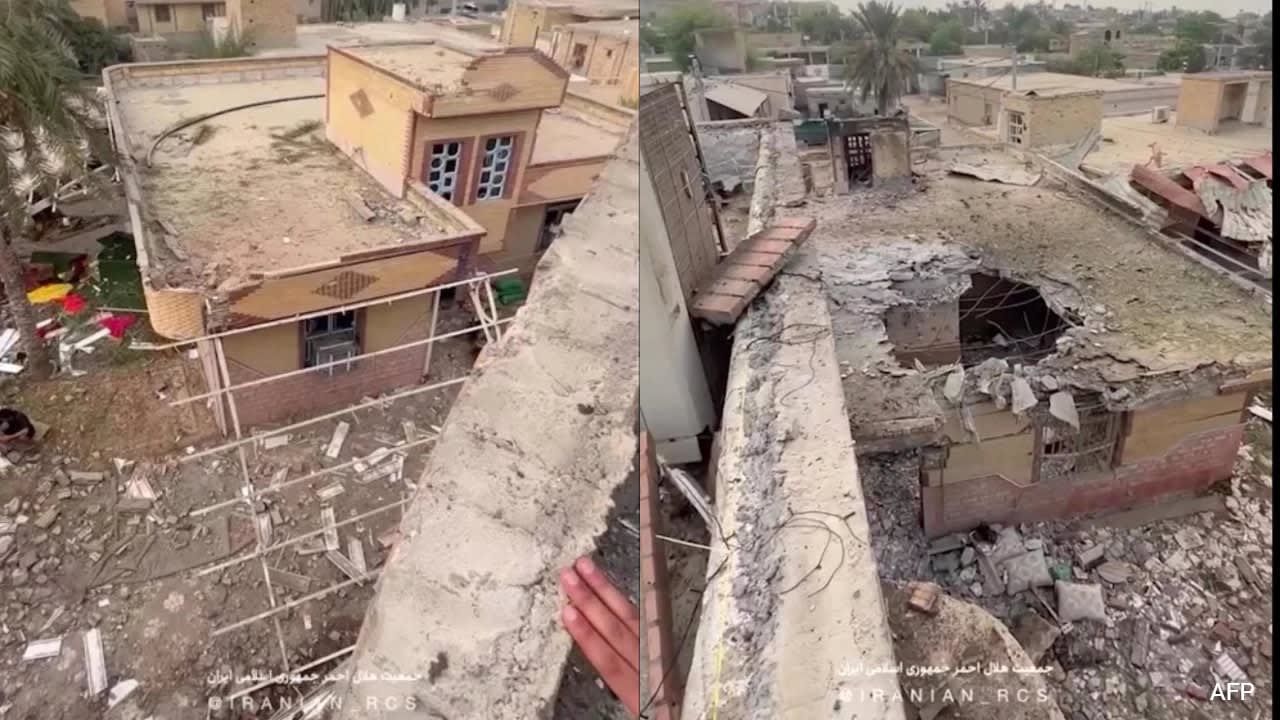
A wedding celebration in Iran turned tragic following a U.S. airstrike, prompting an internal investigation by CENTCOM. The incident highlights the severe risks of collateral damage in ongoing regional military operations.
The Tragic Intersection of Celebration and Conflict
The recent report detailing a U.S. airstrike on a wedding in Iran serves as a harrowing reminder of the high human cost associated with modern geopolitical tensions. According to eyewitness accounts, what began as a joyous occasion marked by traditional ululation was abruptly silenced by a devastating explosion. This incident underscores the persistent danger that civilians face when military operations are conducted in or near populated areas, where the line between legitimate targets and non-combatants becomes dangerously blurred.
The Role of CENTCOM and Internal Accountability
The U.S. Central Command (CENTCOM) has officially confirmed that it is conducting an internal review of the incident. This process is critical, as it serves as the primary mechanism for the military to evaluate whether established rules of engagement were followed or if a procedural failure led to the loss of civilian life. The effectiveness of such reviews is often scrutinized by international observers, who look for transparency and accountability in the wake of such catastrophic errors.
The Complexity of Regional Military Engagements
Operating in the Middle East requires extreme precision, yet the intelligence gathering process is fraught with potential for error. When military forces rely on aerial surveillance and signal intelligence to identify threats, there is an inherent risk that a gathering of civilians—such as a wedding party—may be misidentified as a hostile assembly. This specific tragedy highlights the technological and human limitations of remote warfare, where the inability to verify ground-level context in real-time can lead to irreversible consequences.
Implications for Diplomatic Relations
Beyond the immediate tragedy, this incident carries significant weight for U.S.-Iran relations. Such an event provides a catalyst for heightened regional instability and fuels anti-Western sentiment. Historically, incidents of civilian casualties resulting from U.S. military action have been used to consolidate domestic support for hardline policies within Iran, complicating any potential for diplomatic de-escalation or future negotiations between the two nations.
Future Trends in Rules of Engagement
Looking forward, this event will likely renew the global debate regarding the use of airstrikes in densely populated regions. Military experts are increasingly exploring the integration of better AI-driven pattern recognition and stricter human-in-the-loop verification processes to prevent such tragedies. However, until these systems are perfected, the risk of misidentification remains a constant shadow over military operations, necessitating a more cautious approach to the use of force in volatile environments.
Conclusion
The tragedy at the wedding serves as a sobering case study on the dangers of military intervention in complex environments. While the CENTCOM internal review is a necessary step toward understanding the mechanics of this failure, the broader impact on the victims' families and regional stability remains profound. Ensuring that such incidents are not repeated will require a fundamental reassessment of intelligence accuracy and the thresholds for authorized force in non-combatant zones.
Verification Required?