US Army Faces Leadership Crisis After Pete Hegseth Fires Top Generals
Source Entity
NDTV News Search Records Found 1000
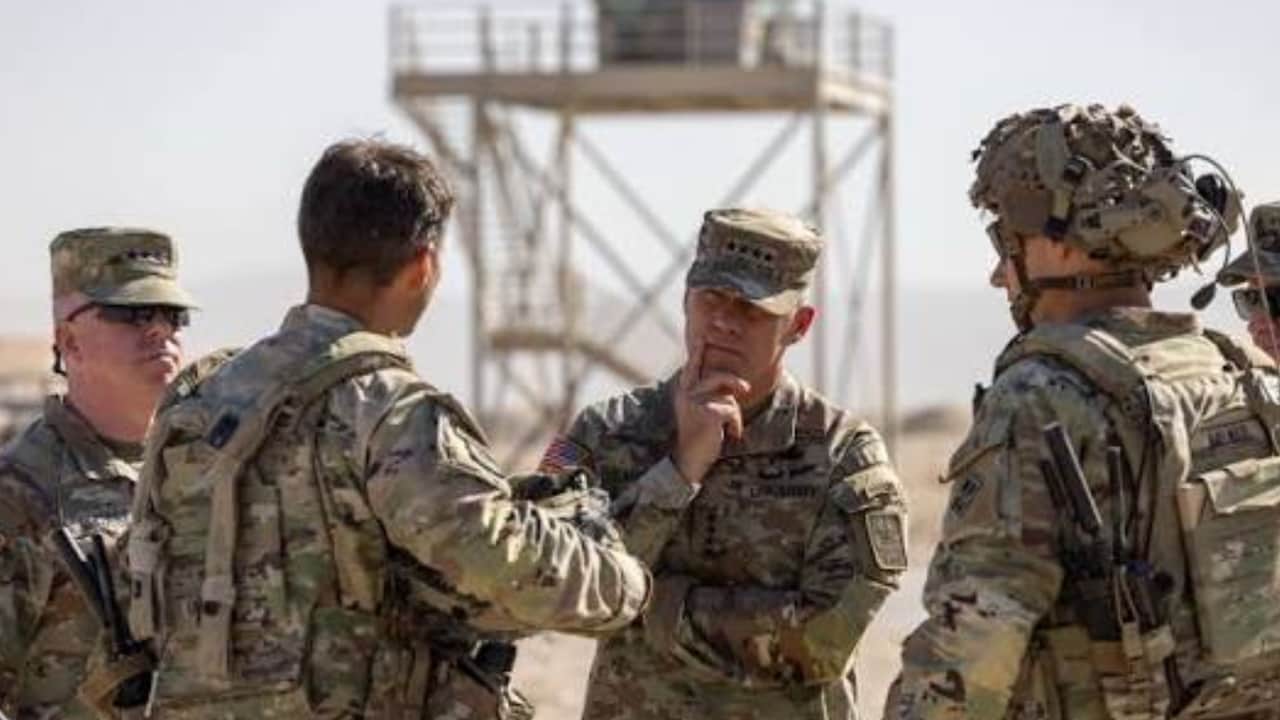
Defense Secretary Pete Hegseth has initiated a sweeping removal of senior US Army officers, creating a leadership vacuum during a period of heightened conflict in West Asia. This purge of top military brass has raised urgent concerns regarding institutional stability, command continuity, and national security readiness.
The Unfolding Crisis in American Military Command
The Department of Defense is currently navigating a period of unprecedented institutional instability following a series of high-level dismissals orchestrated by Defense Secretary Pete Hegseth. By removing several senior US Army officers, Hegseth has effectively created a leadership void at the highest echelons of the military hierarchy. This sudden turnover has left critical operational roles vacant, raising alarms among defense analysts and policymakers regarding the long-term impacts on the structural integrity of the armed forces.
Implications of the Leadership Vacuum
The absence of a permanent Chief of Staff for the US Army is perhaps the most pressing symptom of this broader administrative churn. Leadership continuity is essential for the effective management of global force posture, particularly when the military is engaged in complex, multi-front logistics. With the impending departure of the Army’s senior civilian official, the institution faces a dual crisis of command: the loss of seasoned military expertise and a simultaneous erosion of civilian oversight, both of which are vital for maintaining internal discipline and strategic focus.
A Precarious Geopolitical Environment
This internal upheaval is occurring against the backdrop of a volatile security environment in West Asia, where American bases are currently under sustained threat from drone and missile attacks. The timing of these personnel changes is particularly concerning, as the region nears the six-month mark of intensified conflict involving Iran-aligned actors. In such a high-stakes scenario, the need for experienced, consistent leadership is paramount; however, the current turnover suggests a deliberate shift in the Department’s operational approach that may leave forces on the ground without clear, unified direction.
Institutional Expertise and Decision-Making
The removal of senior officers is not merely a personnel issue; it represents a fundamental disruption of the institutional knowledge required to navigate modern warfare. Senior commanders provide the necessary experience to weigh the risks of regional escalation against tactical mission requirements. When these voices are removed or silenced, the decision-making process risks becoming insular, potentially leading to miscalculations during active combat scenarios where intelligence and experience are the primary defenses against disaster.
Future Outlook and Strategic Risks
Looking ahead, the stability of the US military remains in question as the Department of War continues to undergo significant personnel restructuring. If these vacancies remain unfilled or are filled by appointees lacking comparable strategic experience, the United States may face a degradation in its ability to project power and maintain deterrence in West Asia. The ongoing churn suggests a fundamental transformation in how the military manages its top-tier talent, the ramifications of which will likely be felt in both the readiness of the Army and the broader geopolitical landscape for years to come.
Multiple Citing Sources
Verification Required?