Why US attack on Iran's submarine repair facility could change naval warfare forever
Source Entity
TOI DEFENCE DESK
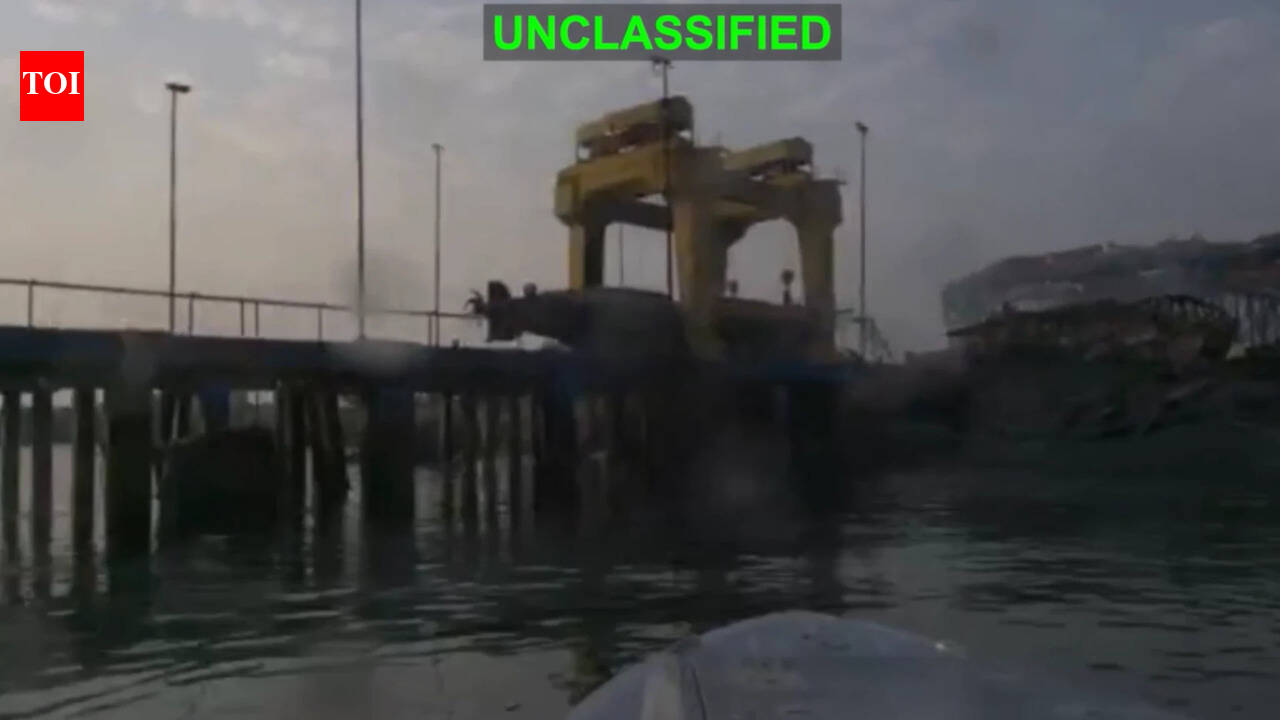
Unmanned systems are increasingly becoming complex and autonomous weapons. Iran is launching drones at its neighbours, bypassing expensive air defence systems. The United States used Corsair Unmanned Surface Vessels in an offensive role against Iran. Ukrainians have also extensively used unmanned systems in the Black Sea. These autonomous systems are fundamentally changing the face of modern conflict.
The Dawn of Autonomous Naval Warfare: Analyzing the US Strike on Iran
The recent United States offensive operation targeting an Iranian submarine repair facility marks a pivotal moment in the evolution of maritime conflict. By deploying Corsair Unmanned Surface Vessels (USVs) in a direct offensive capacity, the US has signaled a departure from traditional naval doctrines that rely heavily on manned capital ships and high-visibility carrier strike groups. This event is not merely a tactical strike but a demonstration of how autonomous systems are being integrated into high-stakes geopolitical confrontations to minimize human risk while maximizing precision.
The Strategic Role of Corsair USVs
The use of Corsair USVs represents a significant leap in naval capabilities. Unlike traditional patrol boats, these unmanned systems can operate in contested waters with a lower profile, making them harder to detect and engage. By targeting a submarine repair facility, the US has struck at the heart of Iran's underwater capability, effectively degrading their ability to maintain and deploy its submarine fleet. This shift toward unmanned offensive roles suggests that the US is prioritizing "attritable" assets—systems that are valuable enough to achieve the mission but inexpensive enough to be lost without causing a national tragedy or a massive financial blow.
Asymmetric Warfare and the Iranian Drone Paradigm
To understand the significance of this attack, one must look at the broader context of Iran's own military strategy. Iran has long championed asymmetric warfare, utilizing low-cost drones to bypass sophisticated and expensive air defense systems of its neighbors. By deploying swarms of unmanned aerial vehicles (UAVs), Iran has demonstrated that quantity and autonomy can sometimes overwhelm quality and traditional defenses. The US response, utilizing USVs, mirrors this logic: employing autonomous technology to penetrate defenses and strike critical infrastructure without risking manned crews in the volatile Persian Gulf region.
Parallels with the Black Sea Conflict
This evolution is not happening in a vacuum. The global community has observed a similar paradigm shift in the Black Sea, where Ukrainian forces have extensively used unmanned surface vessels to challenge the Russian Black Sea Fleet. Ukraine's ability to damage and sink larger warships using relatively small, autonomous drones has rewritten the manual on naval engagement. The US operation against Iran's facility suggests that the lessons learned from the Ukrainian theater—specifically the efficacy of sea drones in denying sea control to an opponent—are being rapidly adopted by the world's most advanced military powers.
The Economic Shift: Cost vs. Capability
One of the most profound implications of this event is the economic disruption of naval warfare. For decades, naval dominance was measured by the number of aircraft carriers or nuclear submarines a nation possessed. However, the rise of autonomous systems introduces a cost-imbalance. When a relatively inexpensive USV can disable a submarine repair facility or threaten a multi-billion dollar destroyer, the traditional "cost-per-kill" ratio is inverted. This forces naval architects and strategists to rethink the viability of massive, expensive platforms in an era where autonomous swarms can saturate defenses.
Future Trends in Maritime Autonomy
Looking forward, we can expect an acceleration in the development of AI-driven "swarming" tactics, where multiple USVs coordinate in real-time to overwhelm a target. The integration of autonomous systems will likely move beyond surface vessels to include unmanned underwater vehicles (UUVs) capable of long-term surveillance and sabotage. As these systems become more autonomous, the speed of warfare will increase, potentially reducing the window for human decision-making and increasing the reliance on algorithmic triggers for engagement.
Conclusion
The US attack on Iran's submarine repair facility is a harbinger of a new era. By bridging the gap between experimental technology and active offensive operations, the US has confirmed that unmanned systems are no longer just support tools—they are primary weapons of war. As autonomous capabilities proliferate, the traditional boundaries of naval power will continue to blur, shifting the advantage toward those who can best integrate AI and unmanned robotics into their strategic arsenal.