U.S. slaps 25% tariff on most Brazilian goods over 'unfair trade practices'
Source Entity
US Top News and Analysis
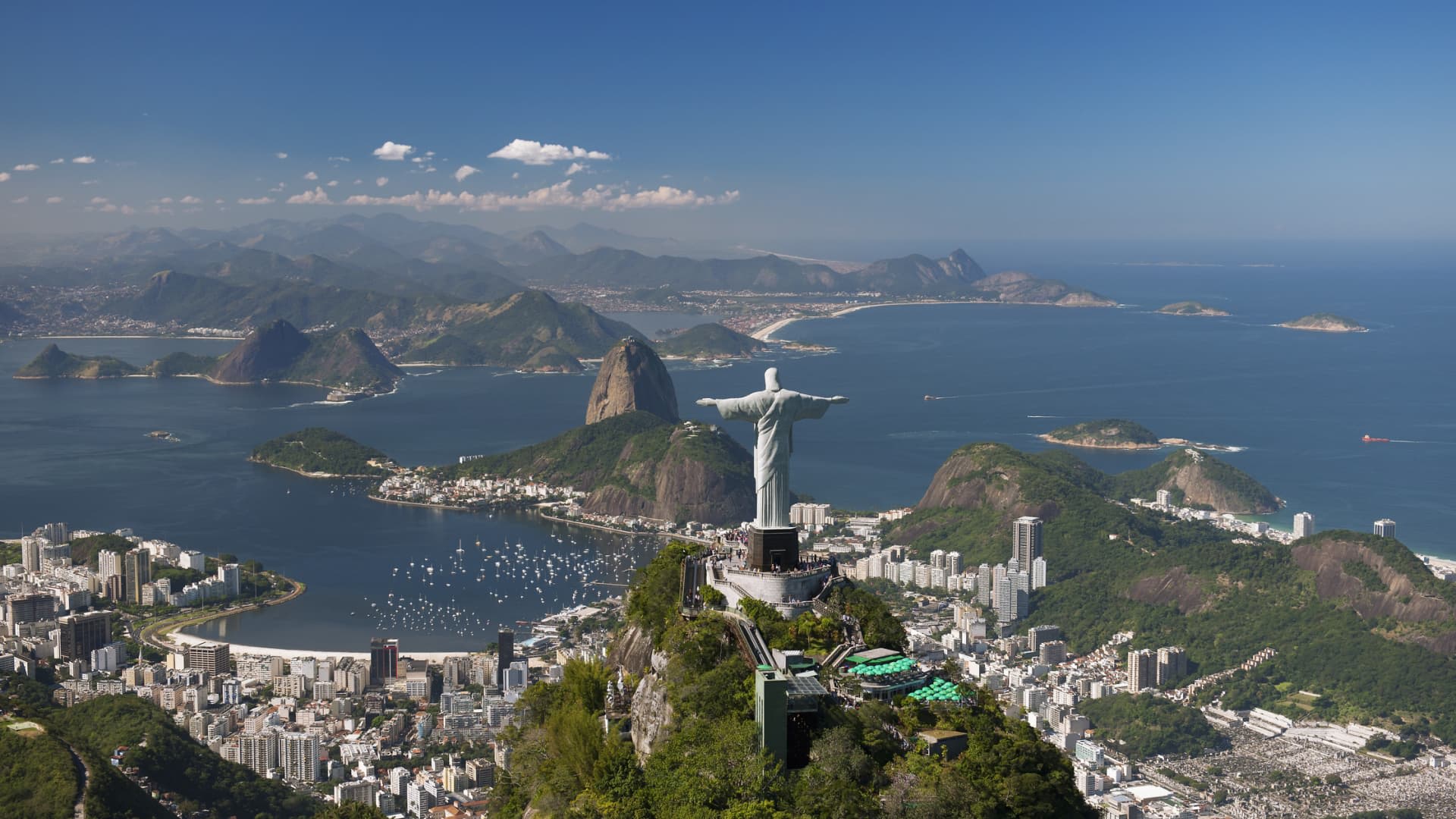
The United States has imposed a 25% tariff on the majority of Brazilian imports, citing unfair trade practices. Additionally, a pending probe into forced-labor enforcement could result in a further 12.5% duty, with a final decision expected next week.
Escalation of Trade Tensions: U.S. Imposes Heavy Tariffs on Brazil
In a significant shift in Western Hemisphere trade dynamics, the United States has implemented a sweeping 25% tariff on most goods imported from Brazil. This move, justified by the U.S. government as a response to "unfair trade practices," marks a sharp escalation in economic friction between the two largest economies in the Americas. The sudden imposition of these duties is likely to disrupt established supply chains and signal a more protectionist stance from Washington toward its South American partners.
Analyzing 'Unfair Trade Practices' and Economic Impact
When the U.S. cites "unfair trade practices," it typically refers to a combination of government subsidies, currency manipulation, or the "dumping" of goods below market value to gain an unfair competitive advantage. For Brazil, a powerhouse in agricultural exports—specifically soybeans, beef, and orange juice—as well as iron ore and aircraft, a 25% tariff is devastating. These costs will likely be passed down to U.S. consumers and manufacturers who rely on Brazilian raw materials, potentially fueling domestic inflation within the United States while simultaneously crippling the profit margins of Brazilian exporters.
The Forced-Labor Probe: A Human Rights Dimension
Adding to the economic pressure is a concurrent U.S. investigation into forced-labor enforcement within Brazilian industries. The potential for an additional 12.5% duty—which would bring the total tariff burden to 37.5%—introduces a moral and regulatory dimension to the trade dispute. By linking trade access to labor standards, the U.S. is leveraging its market power to force systemic changes in how Brazil monitors its workforce. The decision on this specific duty is expected next week, creating a period of intense volatility and uncertainty for Brazilian businesses.
Broader Geopolitical and Supply Chain Implications
This trade offensive may inadvertently push Brazil closer to other global powers, most notably China. As the U.S. market becomes prohibitively expensive due to tariffs, Brazil is likely to diversify its export destinations to mitigate losses. Historically, when the U.S. adopts aggressive tariff regimes, trading partners seek alternative alliances to maintain economic stability. This shift could weaken U.S. diplomatic influence in Latin America and accelerate the trend of "de-dollarization" or the pursuit of non-U.S. centric trade blocs.
Historical Context of U.S.-Brazil Trade
Relations between the U.S. and Brazil have historically been a mix of strategic partnership and commercial rivalry. From long-standing disputes over sugar and ethanol to clashes over aircraft manufacturing (Embraer vs. Boeing), the two nations have often clashed at the World Trade Organization (WTO). However, the scale of a blanket 25% tariff on "most goods" is an unprecedented escalation, moving beyond targeted sectoral disputes to a broad economic confrontation that threatens the stability of the entire region's trade ecosystem.
Future Outlook and Potential Resolution
Looking ahead, the next few weeks will be critical. If the additional 12.5% forced-labor duty is enacted, it could trigger a retaliatory cycle where Brazil imposes its own tariffs on U.S. tech or agricultural products. The most likely path to resolution involves high-level diplomatic negotiations or a formal challenge through the WTO. However, given the current global trend toward economic nationalism, a swift resolution is unlikely, and both nations may have to brace for a prolonged period of trade instability.
Summary
The U.S. decision to slap a 25% tariff on Brazilian goods, coupled with a looming forced-labor penalty, represents a severe disruption in international trade. By targeting "unfair practices" and labor standards, the U.S. is prioritizing domestic protectionism and human rights enforcement over traditional diplomatic trade relations, risking a deeper economic rift with a key South American ally.