U.S. grocery slowdown deepens as shoppers buy fewer items, raising pressure on food companies
Source Entity
US Top News and Analysis
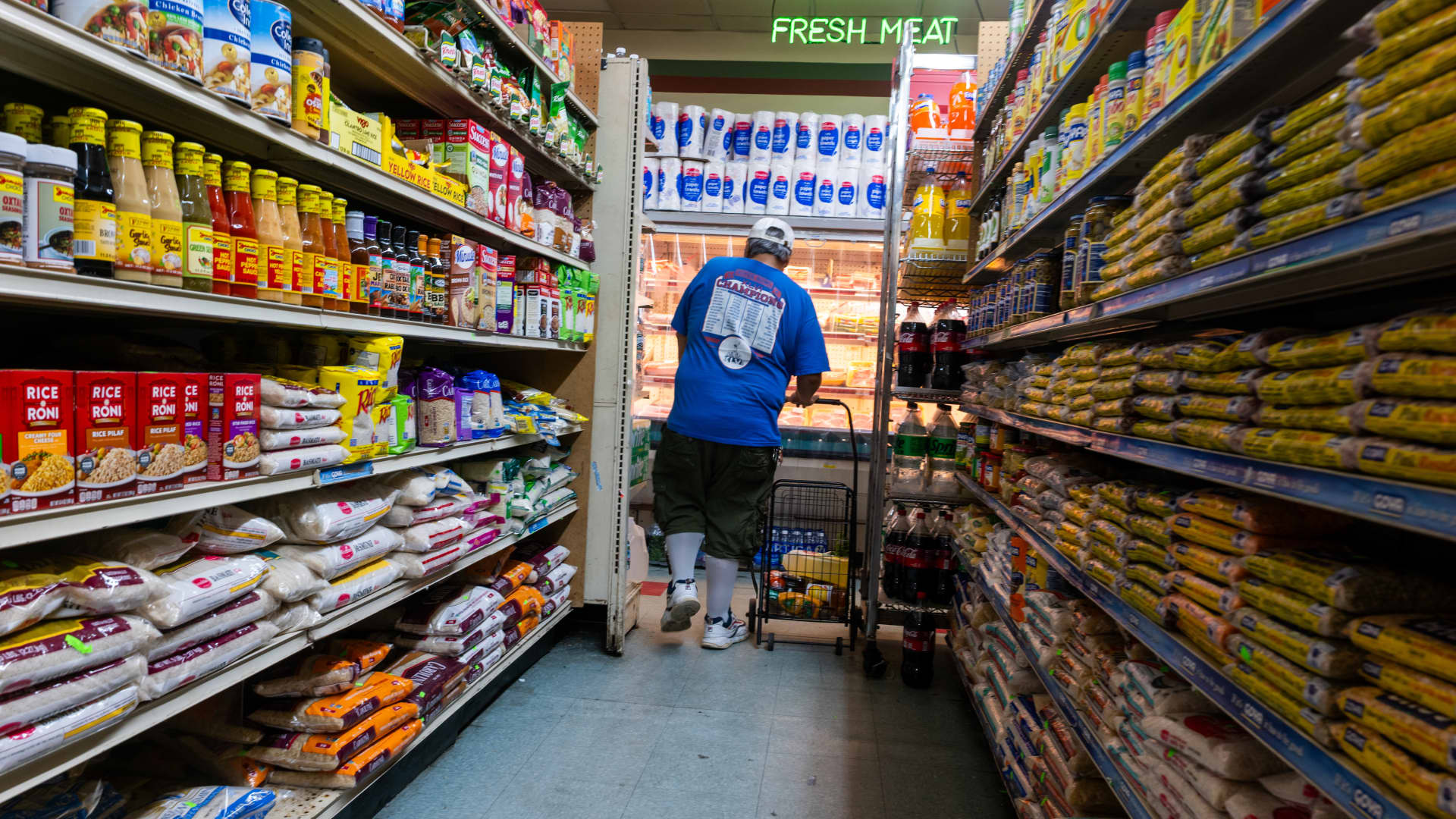
U.S. grocery sales are experiencing a deepening slowdown as consumers reduce the number of items in their baskets, forcing retailers and food brands to pivot toward aggressive price competition and value-driven strategies.
The U.S. Grocery Crisis: Analyzing the Deepening Consumer Slowdown
Recent data indicating a deepening slowdown in the U.S. grocery sector reveals a critical shift in consumer behavior that extends beyond simple brand switching. For several years, food companies managed to maintain revenue growth by raising prices to offset inflation—a phenomenon known as price-led growth. However, the current trend of shoppers buying fewer items suggests that consumers have reached a 'price ceiling.' This transition from price-led growth to volume decline indicates that the American household is now actively curtailing consumption to manage tighter budgets, signaling a more precarious economic state for the average consumer.
The Psychology of the 'Smaller Basket'
When shoppers buy fewer items, it reflects a fundamental change in purchasing psychology. Historically, during inflationary periods, consumers would 'trade down' from premium brands to store brands (private labels) while maintaining the same volume of goods. The current slowdown is more severe because the volume itself is dropping. This suggests that households are skipping non-essential items, reducing the frequency of luxury purchases, or opting for leaner meal plans. This behavior is likely a delayed reaction to the cumulative effect of food inflation over the last three years, which has significantly eroded the real purchasing power of the middle and lower-income brackets.
Pressure on Consumer Packaged Goods (CPG) Companies
For major food brands and CPG companies, this slowdown creates a perilous 'margin squeeze.' For a long period, these companies could pass increased raw material costs directly to the consumer. Now, with volume dropping, they can no longer rely on price hikes to drive earnings. To prevent further losses in market share, these brands are now forced to invest heavily in promotions, discounts, and value-packs. This creates a paradoxical situation where companies must spend more on marketing and price reductions even as their total sales volume shrinks, directly threatening their bottom-line profitability.
The Retail War: Value and Private Labels
Grocery retailers are finding themselves in an intensifying battle for the 'value-conscious' shopper. As consumers become more surgical about what enters their carts, grocers are doubling down on their private-label offerings, which typically offer higher margins for the retailer and lower prices for the consumer. This shift further marginalizes national brands, as shoppers realize that store-brand quality has improved significantly. We are seeing a strategic pivot where retailers are no longer just selling products, but are competing on 'total basket value,' using loyalty programs and AI-driven personalized discounts to entice shoppers to add just one or two more items to their trip.
Broader Economic Implications and Future Trends
This grocery slowdown serves as a leading indicator for broader economic trends. Since food is a non-discretionary expense, a decline in the volume of food purchased is a strong signal of financial stress across a wide demographic. Looking forward, we can expect food companies to pivot toward 'shrinkflation'—reducing package sizes to maintain a specific price point—and a renewed focus on 'entry-level' pricing tiers. Additionally, there will likely be a surge in the popularity of discount clubs and hard-discounters as consumers permanently alter their shopping habits to prioritize efficiency and cost over brand loyalty.
Summary
In conclusion, the deepening slowdown in U.S. grocery sales is a clear manifestation of consumer exhaustion. The shift from buying cheaper brands to buying fewer items altogether puts immense pressure on the entire food supply chain, from manufacturers to retailers. As the industry moves into a phase of aggressive price competition, the winners will be those who can innovate in value delivery without completely eroding their profit margins.