Canada to impose retaliatory tariffs on US goods from Sept 8 as trade talks collapse
Source Entity
Latest News: Todays Latest News Headlines from India & World | Hindustan Times | Hindustan Times
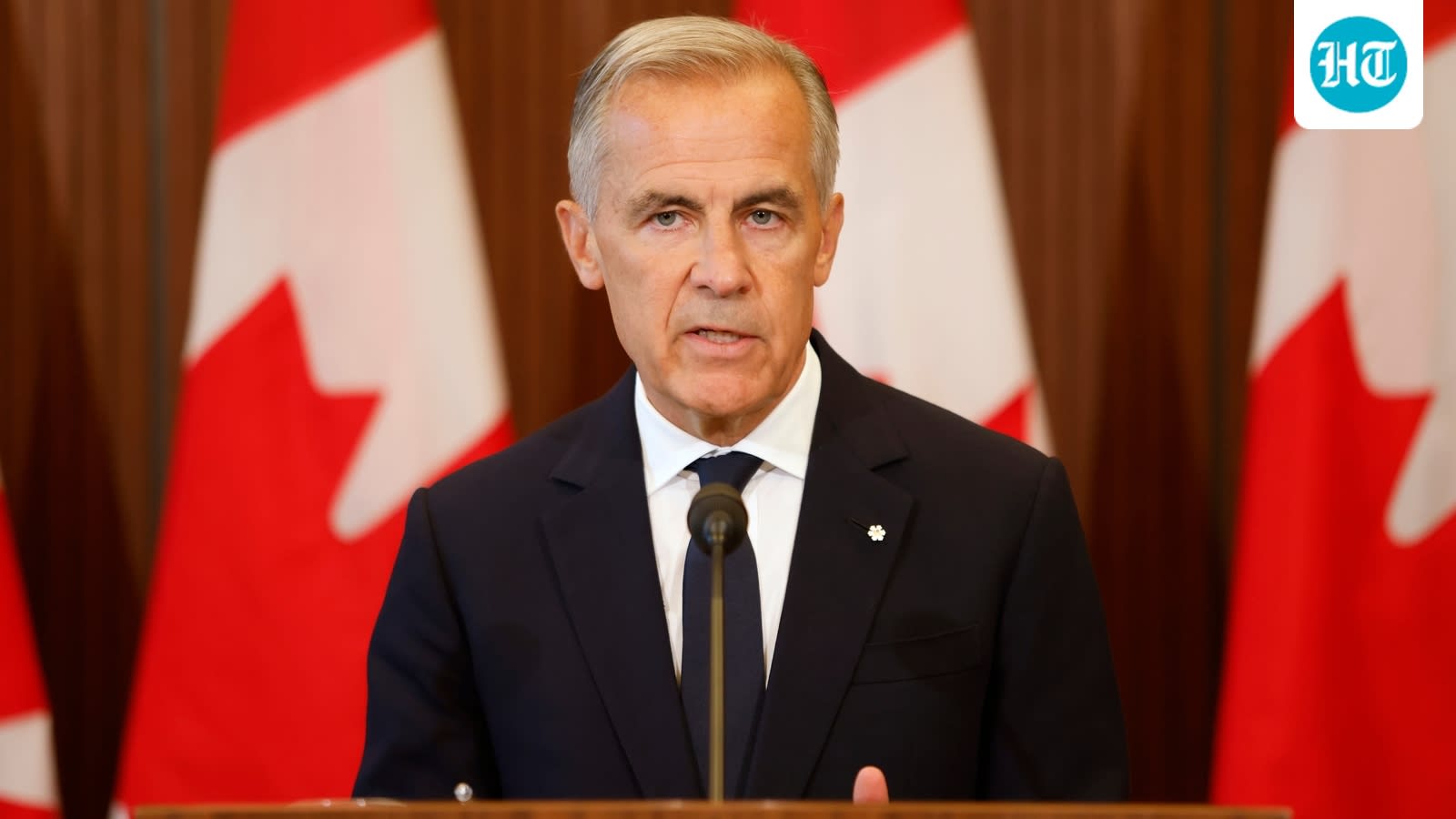
Canada has suspended trade negotiations with the United States after failing to reach a deal, leading the US to impose 50% tariffs on $20 billion of Canadian imports. In response, Prime Minister Mark Carney has vowed that Canada will retaliate with equivalent, dollar-for-dollar tariffs on American goods.
The Collapse of US-Canada Trade Negotiations
The recent breakdown in trade negotiations between the United States and Canada marks a significant escalation in tensions between two historically close allies. Following failed last-minute efforts to secure a new agreement, the United States has moved to impose 50 percent tariffs on $20 billion worth of Canadian imports. This development, which affects a wide array of goods ranging from plywood and liquor to electrical equipment and hockey gear, represents a major shift in the North American economic landscape.
The Catalyst for Suspension
The decision to suspend talks was initiated by Canadian Prime Minister Mark Carney, who described the last-minute changes to Washington's proposed terms as "unfair" and "uneconomic." According to Canadian officials, the US demands undermined the reliability of the entire negotiation process. Despite President Donald Trump’s earlier optimism that a deal was "moving along," the inability to secure tariff-free access for Canadian businesses ultimately led to the withdrawal of Canadian negotiators from Washington.
Economic Implications and Retaliation
In a direct response to the US tariffs set to take effect at 12:01 am on Saturday, Prime Minister Carney has explicitly stated that Canada will match these measures "dollar for dollar." This retaliatory stance is designed to protect Canadian economic interests and signal a firm rejection of what Ottawa perceives as coercive trade tactics. By recalling negotiators to Ottawa, Canada is signaling a pivot toward internal economic strengthening and the diversification of international trade partnerships.
Broader Context of the Dispute
The impasse centers on the US objective to reshape trade terms, which the Canadian government argues failed to protect small and medium-sized enterprises. US trade representative Jamieson Greer noted that while an offer was on the table to provide Canada with "best treatment" status, the failure to finalize the deal has left both nations in an precarious position. This conflict highlights the fragility of integrated supply chains that have defined the US-Canada relationship for decades.
Future Outlook and Strategic Shifts
Looking ahead, the imposition of such high-level tariffs suggests a prolonged period of trade volatility. Canada’s stated intent to seek new international trade opportunities indicates a potential long-term strategic distancing from its reliance on the US market. As both nations prepare for the economic impact of these tariffs, the focus will likely shift toward managing the domestic fallout and navigating a new, more contentious era of bilateral relations.
Conclusion
The failure to reach a trade agreement has plunged the US-Canada relationship into a state of uncertainty. With 50 percent tariffs now in play and a promise of reciprocal retaliation, the immediate future of cross-border trade remains highly unstable. Both nations now face the complex challenge of mitigating economic losses while dealing with the political ramifications of this breakdown in diplomacy.
Multiple Citing Sources
Verification Required?