‘Cannot accept what was offered’: Canadian PM Mark Carney on why US trade deal didn't work
Source Entity
Latest News: Todays Latest News Headlines from India & World | Hindustan Times | Hindustan Times
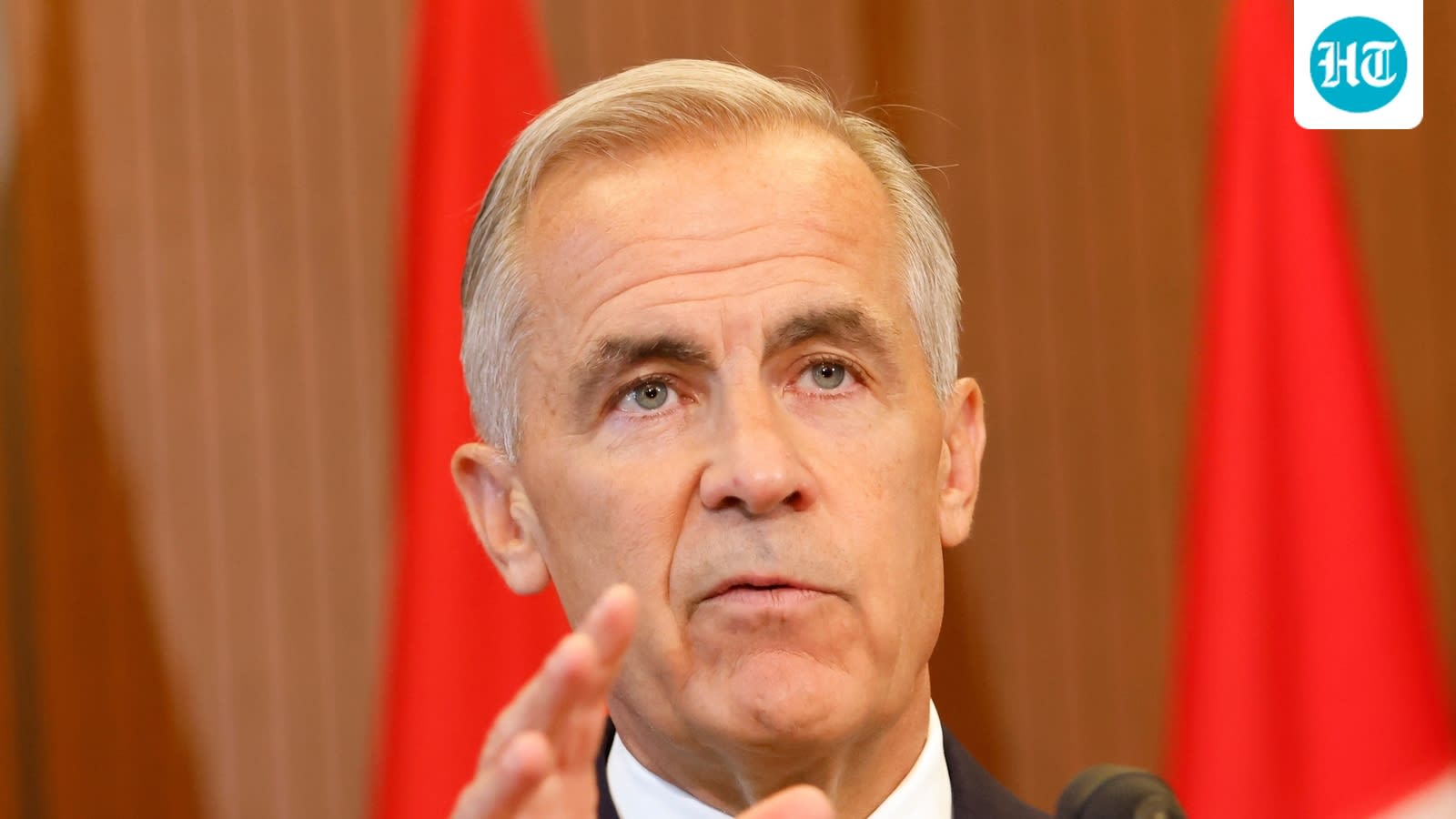
The US is set to impose 50% tariffs on $20 billion of Canadian imports following the collapse of last-minute trade negotiations. In response, Canada has suspended talks and vowed to retaliate with equivalent dollar-for-dollar tariffs on US goods.
The Collapse of US-Canada Trade Negotiations
The bilateral trade relationship between the United States and Canada has reached a critical inflection point following the failure of last-minute negotiations. With the United States set to impose a 50% tariff on $20 billion worth of Canadian imports effective Saturday at 12:01 am, the economic landscape for North American trade is undergoing a seismic shift. This development marks a significant departure from the historical cooperation that has long defined the relationship between the two nations.
The Catalyst for Conflict
The breakdown in communication stemmed from what Canadian officials described as "last-minute changes" to proposed trade terms by the United States. Prime Minister Mark Carney characterized these late-stage adjustments as "unfair" and "uneconomic," ultimately casting doubt on the reliability of any potential agreement. Despite President Donald Trump’s earlier public optimism regarding the progress of a deal, the inability to secure tariff-free access for Canadian businesses—a core objective for Ottawa—led to the sudden suspension of negotiations.
Economic Implications of the 50% Tariff
The scope of the impending US tariffs is extensive, targeting hundreds of items including essential goods such as plywood, electrical equipment, liquor, and even hockey gear. By imposing a 50% levy, the US administration is effectively creating a substantial barrier for Canadian exporters. This move is poised to disrupt established supply chains that have been deeply integrated for decades, forcing businesses on both sides of the border to grapple with sudden, significant cost increases and potential market access losses.
Canada’s Retaliatory Strategy
In a direct response to the US announcement, Prime Minister Carney has confirmed that Canada will mirror the US action, promising to impose "dollar-for-dollar" tariffs on American products. By recalling negotiators to Ottawa, Canada has signaled a pivot in its economic policy. The government is now shifting its focus toward strengthening domestic economic growth and actively seeking new international trade partnerships, effectively diversifying its economic dependencies to mitigate the impact of the current dispute.
Future Trends and Diplomatic Uncertainty
The suspension of trade talks and the implementation of reciprocal tariffs suggest a period of prolonged instability in North American trade relations. As both nations prepare for the economic fallout, the focus will likely shift to how small and medium-sized businesses survive this volatility. The breakdown of this deal serves as a stark reminder of the fragility of international trade agreements when core objectives regarding market access and regulatory fairness cannot be reconciled.
Conclusion
As the midnight deadline passes, the immediate future of US-Canada trade remains fraught with tension. With Canada committed to matching the US tariffs and both sides accusing the other of bad-faith bargaining, the path to a renewed agreement appears steep. The coming weeks will likely see both governments assessing the domestic impact of these measures, as the world watches whether this historic alliance can navigate the complexities of this new protectionist era.
Multiple Citing Sources
Verification Required?