Trump announces deal with Denmark for ‘permanent security control’ over Greenland
Source Entity
TRISHA MAHAJAN
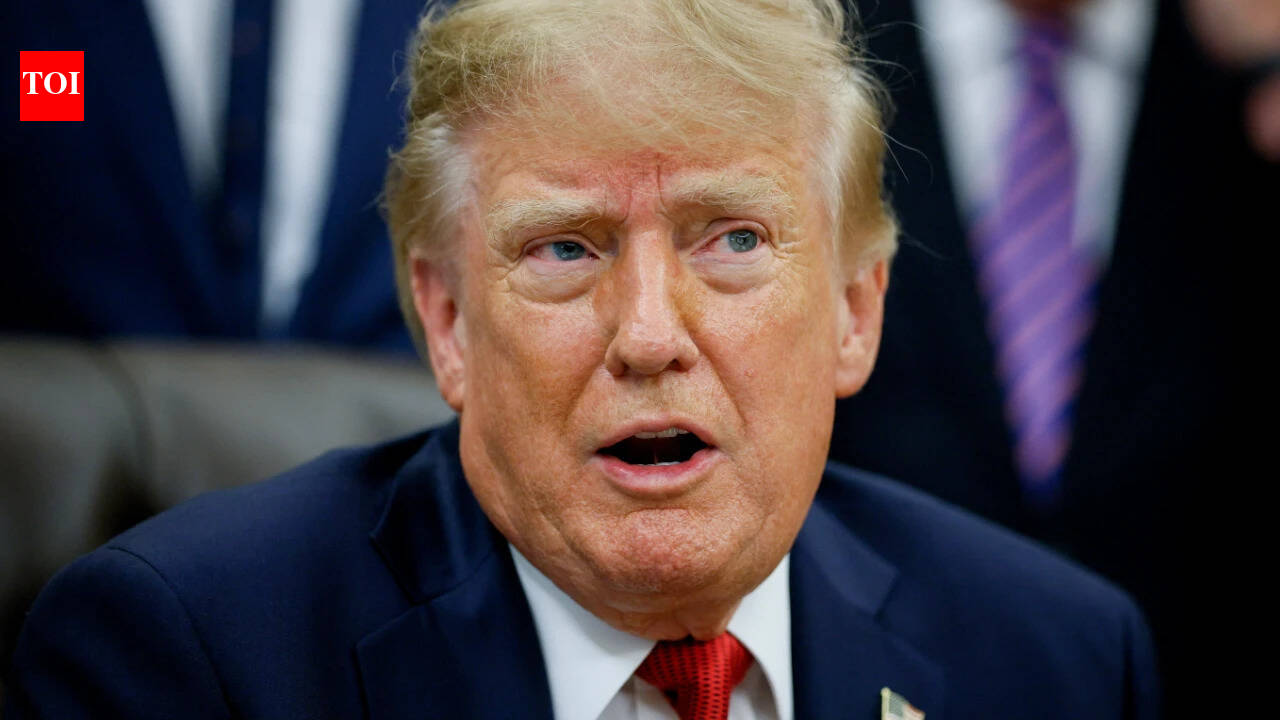
The US and Denmark have reached a strategic security agreement regarding Greenland, aimed at strengthening Arctic defense and curbing foreign influence. While President Trump describes the deal as granting permanent security control, Danish officials emphasize the partnership's role in bolstering NATO interests.
The Strategic Realignment of the Arctic
The announcement of a security agreement between the United States, Denmark, and Greenland marks a pivotal shift in Arctic geopolitics. By formalizing a deal that grants the U.S. enhanced security oversight, the parties are acknowledging the region's rising importance due to its proximity to vital shipping lanes and its untapped mineral wealth. This agreement serves as a direct response to the shifting security landscape, where the Arctic is no longer a peripheral theater but a central focus for global powers.
Defining the Scope of 'Permanent Control'
President Trump’s characterization of the deal as providing "permanent control over security" suggests a deepening of the existing military partnership, likely aimed at preempting adversary expansion. While the President’s rhetoric implies an expansive mandate, Danish officials have framed the agreement through the lens of regional stability and NATO cooperation. This duality reflects the complex diplomatic dance required to balance U.S. defense imperatives with the sovereign integrity of Denmark and the growing autonomy of Greenland.
Countering Foreign Influence
A core driver behind this deal is the strategic necessity to curb the influence of U.S. adversaries, specifically regarding military infrastructure and sensitive investments. By securing the right to approve or deny foreign involvement in critical Greenlandic sectors, the U.S. aims to prevent the establishment of hostile military outposts or economic dependencies that could threaten North Atlantic security. This move is a calculated effort to maintain the Arctic as a secure zone under the umbrella of Western democratic influence.
The Role of Military Modernization
Reports indicate that the potential installation of advanced missile defense systems is a key component of these discussions. Such infrastructure would significantly upgrade the U.S. early-warning capabilities and defensive posture in the North Atlantic. Integrating these systems into the Arctic landscape represents a long-term investment in national security that aligns with broader NATO objectives, ensuring that the alliance remains prepared for modern, high-latitude threats.
Diplomatic Balancing and Future Implications
While the agreement is being finalized, the emphasis on Greenland’s continued status as a Danish territory remains a critical diplomatic safeguard. The upcoming signing at the UN General Assembly underscores the international significance of this partnership. Moving forward, the success of this arrangement will depend on the transparent implementation of these security protocols, ensuring that the "infinite" nature of the deal fosters stability rather than regional friction. The U.S.-Denmark-Greenland axis is now firmly cemented as a cornerstone of Arctic security policy for the foreseeable future.
Multiple Citing Sources