3rd Aircraft Carrier, 10,000 Troops Head To Middle East After Trump's Warning
Source Entity
NDTV News Search Records Found 1000
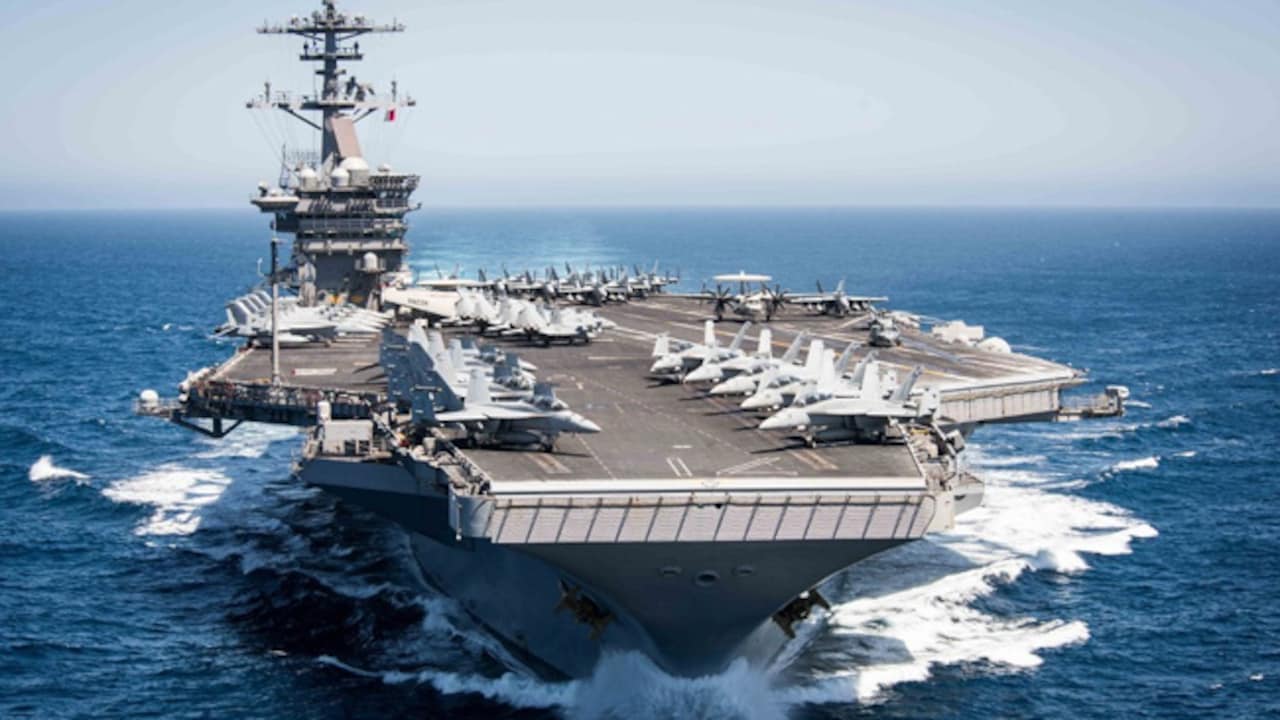
The U.S. is deploying a third aircraft carrier strike group and over 2,000 Marines to the Middle East ahead of the November midterms. This buildup coincides with President Trump's signaled intent to potentially resume military strikes against Iran following the election period.
Escalating Tensions: U.S. Military Buildup in the Middle East
The geopolitical landscape of the Middle East is currently witnessing a significant shift as the United States military accelerates its presence in the region. Reports confirm that a third aircraft carrier strike group, alongside an amphibious force carrying over 2,000 Marines, is being mobilized toward the Middle East. This deployment, which includes the USS Theodore Roosevelt group and the USS Makin Island force, represents an unusually high concentration of naval and amphibious power, signaling a strategic escalation as the region faces ongoing instability.
The Strategic Context of the Deployment
This surge in military assets appears to be part of a broader, synchronized buildup expected to be fully realized by late November. By placing three U.S. carriers and two amphibious groups in the vicinity of Iran, the U.S. is creating a formidable projection of force. This move comes at a time when diplomatic channels between Washington and Tehran remain largely stalled, leaving the region in a precarious state of uncertainty. The presence of these vessels, particularly near the Strait of Hormuz—where Iranian oil tankers have been observed waiting off the coast of Bandar Abbas—highlights the critical nature of these maritime corridors to global energy security.
Political Timelines and Military Intentions
Central to this narrative is the timing of these deployments in relation to the U.S. midterm elections. President Donald Trump has reportedly indicated to aides that he expects to resume bombing campaigns against Iran following the November elections. This linkage between domestic political cycles and foreign military policy suggests that the current buildup is not merely a deterrent, but potentially a preparatory phase for renewed kinetic action. The explicit connection between the post-election timeline and the strategic repositioning of forces has raised global concerns regarding the potential for a wider conflict.
Regional Implications and Economic Strains
The economic ramifications of this military posturing are visible in the waters of the Strait of Hormuz. With Iranian oil tankers idling off the coast of Hormozgan Province, the risk of supply chain disruptions in the global oil market is high. A prolonged military buildup increases the probability of regional friction, which could further exacerbate existing tensions and impact the free flow of energy resources. The standoff reflects a deepening crisis where economic pressure and military threats are being utilized as primary tools of statecraft.
Future Trends and Potential Escalation
Looking ahead, the success or failure of de-escalation will likely depend on the stability of the post-election landscape in the United States. Should the administration move forward with the threatened strikes, the Middle East could face a significant period of volatility. The sheer scale of the current deployment—involving 10,000 troops by some estimates—suggests that the U.S. is preparing for a range of contingencies, including potential ground-based operations or sustained air campaigns. The international community remains focused on whether this force concentration will serve as a mechanism for containment or a precursor to a broader regional confrontation.
Verification Required?