US, Israel prepare for fresh Iran strikes as Tehran threatens with ‘Father of All Bombs’
Source Entity
YASHASVI VASISTHA
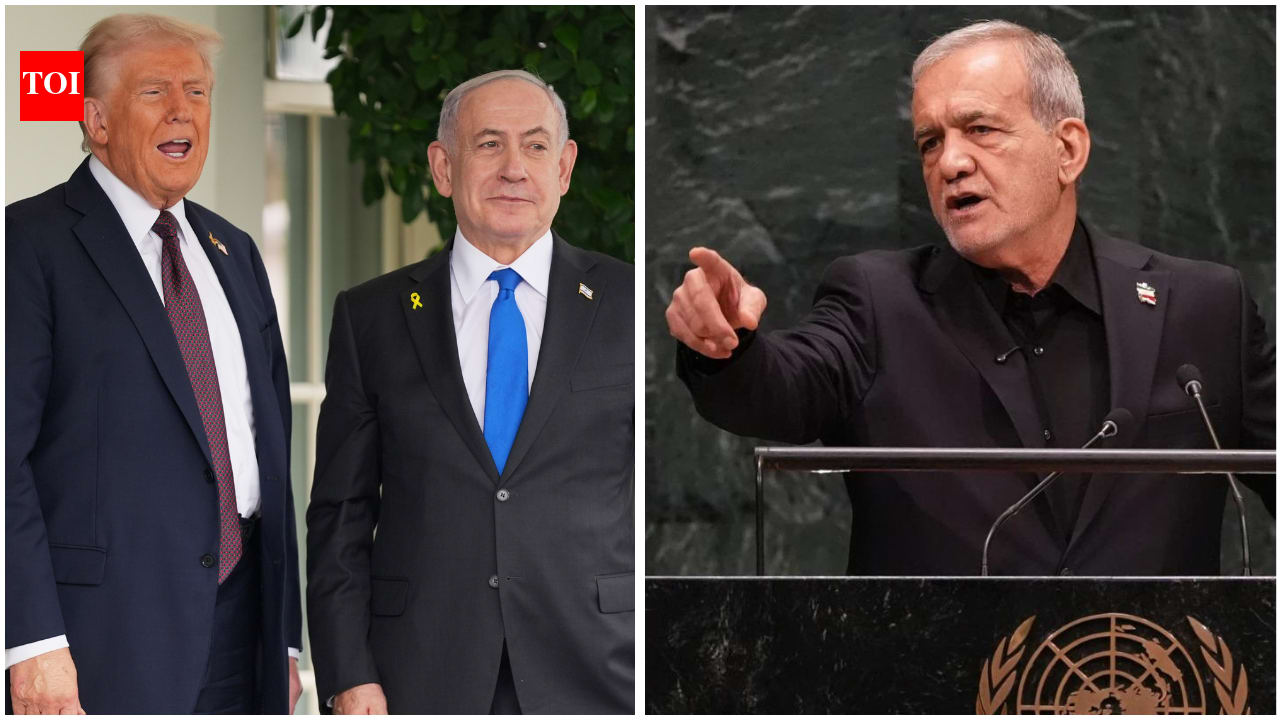
The US has ordered the evacuation of non-essential embassy staff from Saudi Arabia, UAE, Jordan, Qatar, and Bahrain due to escalating regional Houthi attacks. Simultaneously, the US and Israel are reportedly planning potential military strikes against Iran following the upcoming midterm elections.
Regional Instability and the US Diplomatic Withdrawal
The recent directive from the United States State Department to evacuate non-essential embassy staff and their families from Saudi Arabia, the United Arab Emirates, Jordan, Qatar, and Bahrain marks a significant shift in the diplomatic landscape of the Middle East. This decision is a direct response to the persistent, near-daily attacks launched by Iranian-backed Houthi forces targeting Saudi Arabia and other regional partners. By removing personnel, the US government is signaling a heightened threat environment that poses an unacceptable risk to its diplomatic corps.
The Houthi Threat and Regional Security
The Houthi movement, which has demonstrated increasing capability and frequency in its strikes, has effectively transformed the security architecture of the Gulf. These sustained operations have necessitated a move beyond standard security protocols toward a full-scale withdrawal of non-emergency staff. The fact that this evacuation extends across multiple nations highlights the interconnected nature of the current conflict, where regional stability is being eroded by proxy warfare and missile deployments that threaten both diplomatic infrastructure and energy corridors.
Preparing for Escalation: The US-Israel Alliance
Parallel to the diplomatic drawdown, there is mounting evidence of military posturing between Washington and Tel Aviv. Recent meetings between US Secretary of Defense Pete Hegseth and Israeli Prime Minister Benjamin Netanyahu suggest a coordinated effort to finalize military options against Iran. Reports indicate that these plans, slated for potential execution following the US midterm elections, focus on high-value targets, including Iran’s nuclear facilities, missile arsenals, and critical energy infrastructure.
Iran’s Response and the 'Father of All Bombs'
Tehran has responded to these reports with both rhetoric and displays of military development. The threat to unveil a new weapon, dubbed the 'Father of All Bombs,' is a clear signal of Iran’s intent to project strength as it faces what President Pezeshkian has described as a 'super-challenge.' This cycle of escalation—where the US and Israel prepare for surgical strikes and Iran counters with claims of advanced weaponry—creates a volatile atmosphere that leaves little room for diplomatic de-escalation.
Broader Implications and Future Trends
The decision to pull back embassy staff suggests that the US is bracing for a period of extreme volatility. Should the planned military operations against Iran proceed, the regional security landscape will likely undergo a permanent shift. The potential for a wider conflict is high, as Iran’s improved missile capabilities and the persistent Houthi threat ensure that any strike would be met with a severe, asymmetric response. The coming months will be defined by whether diplomatic channels can survive the current military buildup or if the region is sliding toward a broader, more destructive confrontation.
Multiple Citing Sources